
Balancing Act: Exploring the Meaning of the Spring Equinox
Welcome to an in-depth exploration of the Spring Equinox and its significance in Pagan festivals. As the world awakens from winter slumber, the Spring Equinox marks a time of balance and transformation. In this article, we will delve into the origins, meanings, and rituals associated with this ancient celebration of renewal.
Key Takeaways:
The Spring Equinox holds great cultural significance in Pagan festivals worldwide.
Pagan festivals have deep roots in ancient traditions and connect humans to the cyclical nature of the seasons.
The Spring Equinox symbolizes rebirth, renewal, and the restoration of balance.
Pagan festivals are celebrated across the globe, each with its unique customs and rituals.
Connecting with nature during the Spring Equinox is an integral part of Pagan spirituality and personal growth.
Origins of Pagan Festivals
In exploring the rich tapestry of Pagan festivals, it is essential to dive into their ancient origins and the profound connection they hold to nature and the changing seasons. These festivals are steeped in ancient traditions that have been passed down through generations, celebrating the cyclical rhythms of life and the spiritual significance of the natural world.
The roots of Pagan festivals can be traced back to ancient civilizations that revered nature and honored the gods and goddesses believed to govern the earth, sky, and everything in between. From the Celtic celebrations of Beltane to the Roman festivities of Saturnalia, these ancient traditions encompassed a wide range of rituals and customs aimed at harmonizing human existence with the natural realm.
"Pagan festivals were a way for our ancestors to honor the sacred bond between humans and nature, reminding us of our place in the cosmic order," explains Dr. Aria Stone, an anthropologist specializing in ancient traditions.
During these vibrant and spirited gatherings, communities came together to celebrate the changing seasons and the cycles of birth, growth, and harvest. Each festival held its unique significance, often centering around a particular deity or natural phenomenon.
The Wheel of the Year
In Pagan traditions, the year is marked by a sacred Wheel, which represents the cycle of life, death, and rebirth. The eight major festivals that make up the Wheel of the Year are known as Sabbats, and they honor the celestial events and agricultural milestones tied to each season.
These Pagan festivals provide a framework for connecting with nature's rhythms and acknowledging the interconnectedness of all living beings. They serve as reminders of the ancient wisdom that guided our ancestors and continue to shape our understanding of spirituality, community, and our place in the world today.
Festival
Imbolc
Ostara
Beltane
Litha
Lammas
Mabon
Samhain
Yule
Date
February 1st
March 20th-23rd
April 30th-May 1st
June 20th-23rd
August 1st
September 20th-23rd
October 31st-November 1st
December 20th-23rd
Significance
Celebration of the first signs of spring and the return of the sun's warmth.
Observance of the Spring Equinox, representing balance and renewal.
Welcoming the arrival of summer, celebrating fertility and the union of the divine masculine and feminine.
Commemorating the Summer Solstice, the longest day of the year, and the power of the sun.
Harvest festival, honoring the first fruits of the earth and expressing gratitude for abundance.
Autumn Equinox celebration, symbolizing balance and the beginning of the harvest season.
Festival of the dead, honoring ancestors and embracing the thinning veil between worlds.
Observance of the Winter Solstice, welcoming the return of the sun's light and embracing the rebirth of hope.
Understanding the Spring Equinox
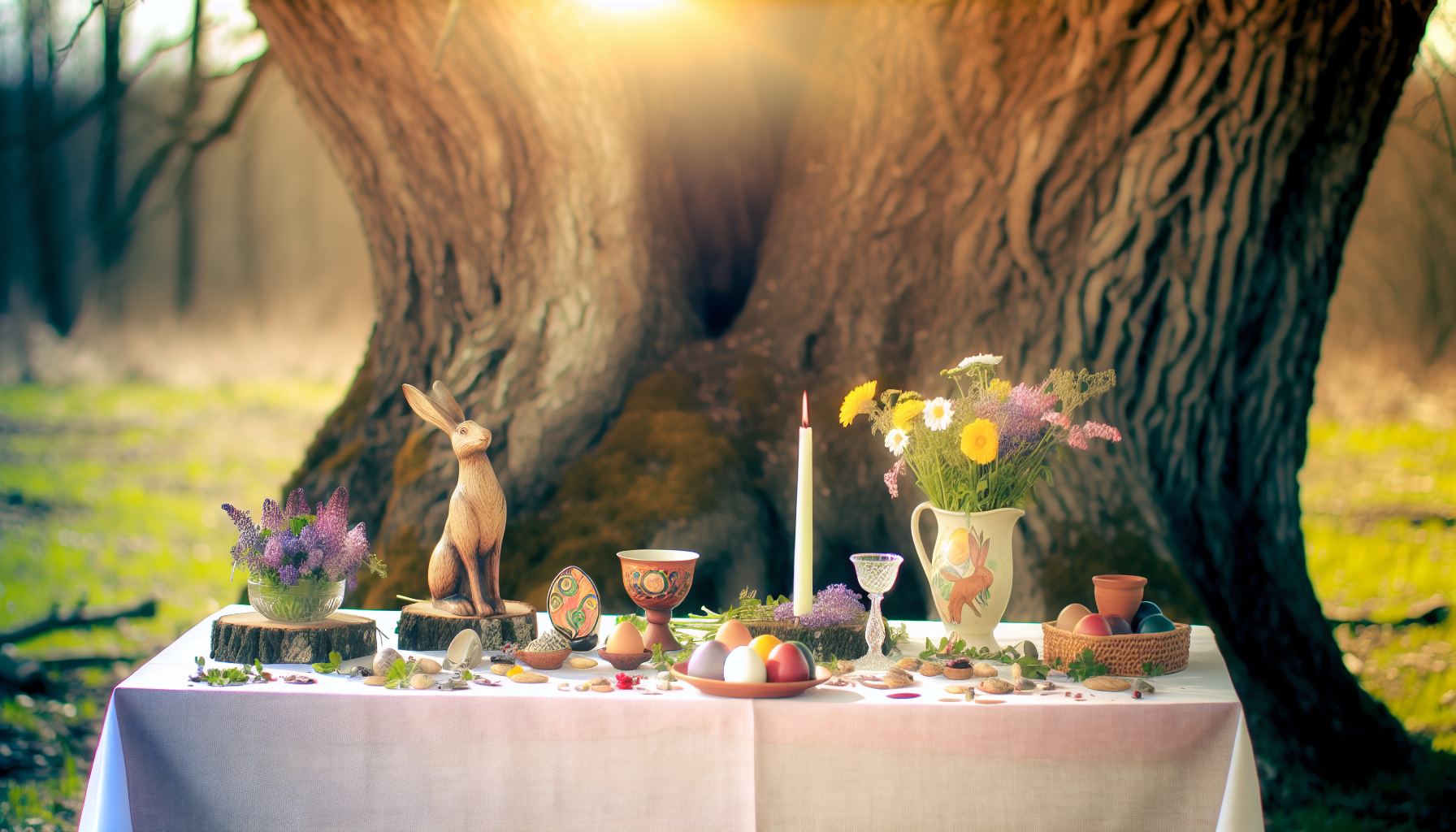
The Spring Equinox, also known as the Vernal Equinox, holds deep cultural significance in various societies around the world. It symbolizes the transition from winter to spring, marking a time of rebirth and renewal. This celestial event occurs when the sun crosses the celestial equator, resulting in equal day and night lengths. In this section, we will explore the meaning and cultural importance of the Spring Equinox.
The Symbolism of Rebirth and Renewal
“Spring is the time of plans and projects.” - Leo Tolstoy
The Spring Equinox carries profound symbolism related to the cycle of life. As winter fades away, nature awakens from its slumber, bringing forth new growth, blossoming flowers, and the return of animals. The longer days and warmer weather inspire a sense of hope, rejuvenation, and the opportunity for personal transformation.
Across cultures, the Spring Equinox represents an awakening of the spirit and a fresh start. It serves as a reminder that life is cyclical, and just as nature goes through seasons of dormancy and rebirth, so do we. This understanding of renewal has been celebrated and honored in various ways throughout human history.
Cultural Significance Worldwide
"Spring adds new life and new beauty to all that is." - Jessica Harrelson
The Spring Equinox holds cultural significance in many traditions and religious practices. Let's take a closer look at some notable examples:
Tradition/Religion
Ancient Egyptians
Japanese
Wiccans and Neopagans
Celebration
Festival of Opet
Setsubun
Ostara
Country/Region
Egypt
Japan
Worldwide
These are just a few examples of the Spring Equinox celebrations that highlight its cultural significance across the globe. Each tradition embraces unique rituals, customs, and beliefs that honor the changing of seasons and the arrival of spring.
Connecting with Nature and Spirituality
"In nature, nothing is perfect and everything is perfect. Trees can be contorted, bent in weird ways, and they're still beautiful." - Alice Walker
The Spring Equinox invites us to connect with nature and embrace the beauty and power of the Earth. Many individuals and communities see this time as an opportunity to attune themselves to the rhythms of the natural world, fostering a deeper connection with the environment and their own spirituality.
From gardening and planting seeds to participating in outdoor rituals and ceremonies, individuals use the Spring Equinox as a catalyst for personal growth and spiritual exploration. This connection to nature not only enhances our well-being but also reinforces the importance of environmental stewardship.
Rituals and Traditions of the Spring Equinox
The Spring Equinox, a significant time in Pagan traditions, is celebrated with various rituals and traditions that honor the arrival of spring and the rejuvenation of life. These practices hold deep spiritual and symbolic meaning, embracing the themes of rebirth, fertility, and growth. Let's explore some of the time-honored rituals associated with the Spring Equinox.
Egg Decorating
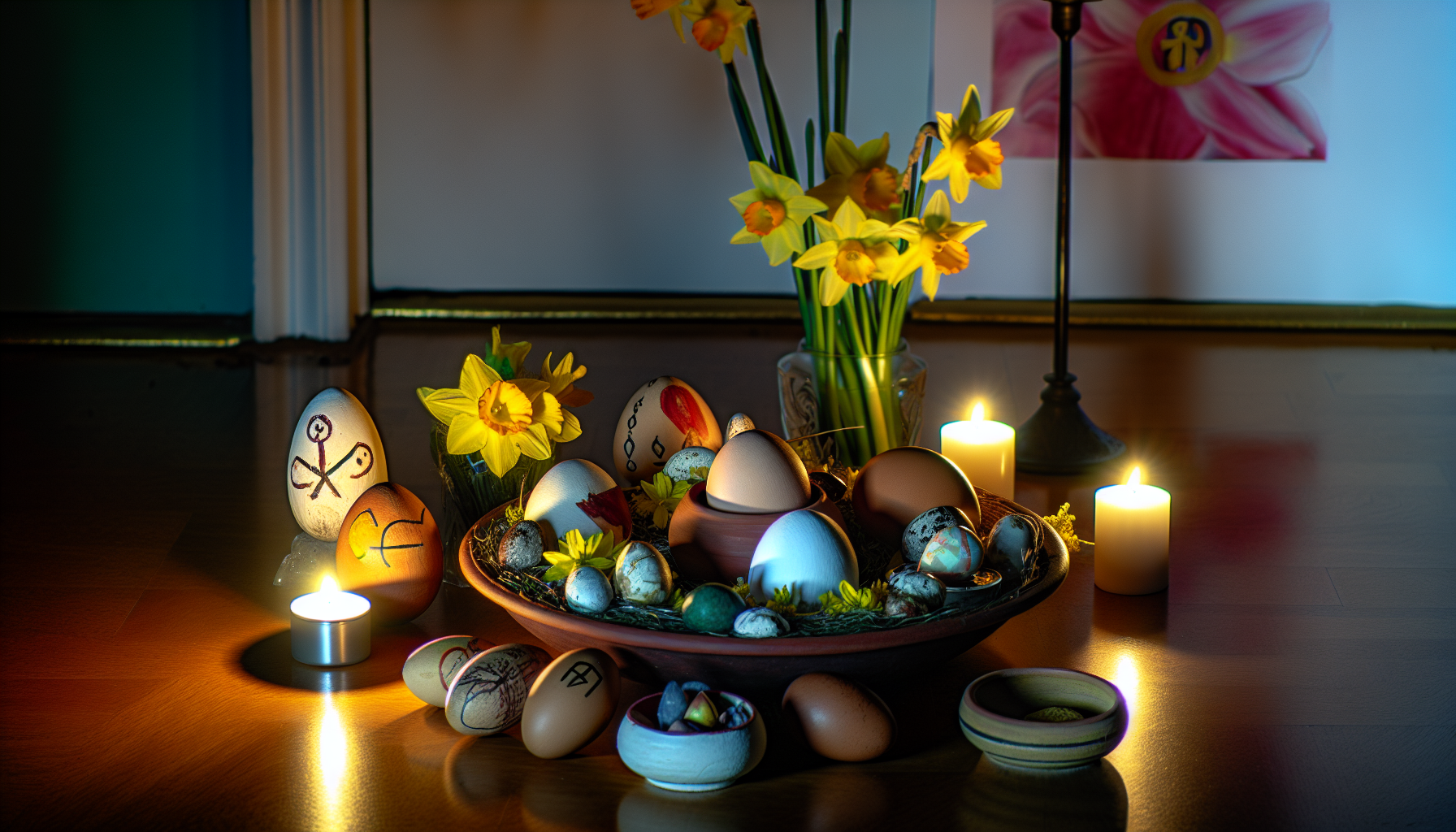
One popular ritual during the Spring Equinox is the decorating of eggs, which symbolizes the potential for new life. This tradition dates back centuries and can be found in different cultures around the world. By adorning eggs with vibrant colors and intricate designs, individuals honor the return of light and the promise of the coming season.
Maypole Dancing
Another cherished tradition of the Spring Equinox is maypole dancing. This lively and joyous activity involves dancing around a tall pole adorned with ribbons. As participants weave in and out, the ribbons create a beautiful pattern, symbolizing the interconnectedness of all living beings and the harmony between nature and humanity.
Bonfires
Bonfires play a significant role in celebrating the Spring Equinox, representing purification, transformation, and the driving away of winter's darkness. People gather around the flames, offering prayers, singing songs, and jumping over the fire as a symbolic act of leaving behind the old and embracing the new. The warmth and light of the bonfire serve as a reminder of the returning sun and the promise of fertility and abundance.
These rituals and traditions of the Spring Equinox provide a meaningful way for individuals to connect with nature, celebrate the changing seasons, and tap into the spiritual essence of this auspicious time. By partaking in these age-old practices, people honor the cycles of life and find inspiration in the vibrant energy of spring.
The Modern Revival of Pagan Festivals
In recent years, there has been a remarkable revival of Pagan festivals, with contemporary celebrations drawing inspiration from ancient traditions. The resurgence of Pagan festivals can be attributed to various factors, including a growing interest in spiritual practices that are closely connected to nature and a desire for community-oriented celebrations. These modern interpretations of Pagan festivals have evolved to reflect the values and beliefs of contemporary society, while maintaining a deep respect for the past.
Pagan festivals revival has been fueled by a renewed appreciation for the cyclical nature of life and a longing for meaningful connections with the natural world. As the world becomes more fast-paced and disconnected, people are turning to these festivals as a way to reconnect with nature and find a sense of balance and harmony.
"Pagan festivals provide a space for individuals to express their spirituality and connect with something greater than themselves," says Emma Morrison, a specialist in Pagan studies. "These celebrations offer a sense of belonging and allow participants to honor the changing seasons and the rhythms of the Earth."
Contemporary celebrations of Pagan festivals often incorporate elements from various cultural and spiritual traditions, creating a rich tapestry of rituals and practices. From elaborate ceremonies to intimate gatherings, the modern revival of Pagan festivals encompasses a wide range of expressions that cater to diverse interests and beliefs.
To illustrate the diverse nature of contemporary Pagan festivals, we can explore the example of Beltane – a traditional Gaelic festival that marks the beginning of summer. In its modern revival, Beltane celebrations include Maypole dances, bonfires, and a focus on fertility rites. It has become a cherished event for both Pagans and non-Pagans alike, symbolizing the joy and abundance of the warmer months.
Another example of a Pagan festival that has found resonance in contemporary society is the celebration of Samhain, also known as Halloween. While many associate Halloween with costumes and candy, its origins can be traced back to ancient Pagan practices of honoring the deceased and embracing the thinning of the veil between the material and spiritual realms.
As the modern revival of Pagan festivals continues to gain momentum, these celebrations serve as a reminder of our deep-rooted connection to the Earth and the importance of honoring nature's cycles. They provide an opportunity for individuals to explore their spirituality, foster a sense of community, and experience the beauty and wonder of the natural world.
Connecting with Nature at the Spring Equinox
During the Spring Equinox, the natural world undergoes a profound transformation, awakening from the slumber of winter. This seasonal shift not only marks the transition from darkness to light but also provides an opportunity for spiritual growth and connection with nature. Pagan traditions recognize the deep interdependence between humans and the natural world and emphasize the importance of honoring and nurturing this relationship.
As the earth comes alive with vibrant colors and new life, the Spring Equinox invites us to pause and reflect on the beauty and abundance that surrounds us. It is a time to reestablish our connection with nature, to immerse ourselves in its sights, sounds, and scents, and to recognize our role as caretakers of the earth.
Through various practices such as meditation, outdoor rituals, and nature walks, individuals can deepen their connection with the natural world during the Spring Equinox. These activities provide an opportunity to attune ourselves to the rhythms of nature, to feel the energy of growth and renewal, and to find peace and serenity in the midst of our busy lives.
"In springtime, the earth awakens from its winter slumber, reminding us of the cyclical nature of life. By connecting with nature during the Spring Equinox, we tap into the energy of rebirth and allow ourselves to be inspired by the infinite potential for growth and transformation."
By embracing Pagan spirituality and the teachings of the Spring Equinox, we can cultivate a deep sense of gratitude for the natural world and develop a greater understanding of our place within it. This connection with nature not only enriches our own lives but also fosters a sense of responsibility and stewardship towards the environment.
As we celebrate the arrival of spring, let us remember the wisdom of the Spring Equinox and the vital importance of our connection to nature. By nurturing this connection and aligning ourselves with the rhythms of the earth, we can experience a profound sense of harmony, balance, and spiritual fulfillment.
Discover the 4 simple steps to amplify your intuition and manifest your desires effortlessly. Are you ready to tap into your innate intuitive abilities and create the life you've always envisioned?
Incorporating Pagan Festivals into Personal Practices
For individuals seeking spiritual growth and connection, incorporating Pagan festivals into personal practices can be a transformative experience. These ancient traditions offer a wealth of wisdom and rituals that can deepen one's spiritual journey and foster a stronger connection with the natural world.
Here are some insights and suggestions on how to integrate Pagan festivals into your personal practices for spiritual growth:
1. Research and Learn: Begin by exploring the different Pagan festivals and their associated traditions. Educate yourself on their historical significance, cultural variations, and spiritual symbolism. Websites, books, and reputable online communities dedicated to Paganism can provide a wealth of information for deeper understanding.
2. Create Sacred Space: Designate a peaceful area in your home or outdoors as a sacred space for your personal practices. This space should reflect your connection with nature and the elements, offering a conducive environment for meditation, rituals, and spiritual reflection.
3. Set Intentions: Before engaging in any Pagan festival practices, take time to set clear intentions for spiritual growth and personal transformation. Align your intentions with the specific festival and the energies it represents.
4. Participate in Rituals: Many Pagan festivals have distinctive rituals and traditions associated with them. Choose the ones that resonate with you and incorporate them into your personal practices. Whether it's lighting candles, weaving a maypole, or performing a gratitude ceremony, these rituals serve as powerful tools for connecting with the divine and experiencing spiritual growth.
"Incorporating Pagan festivals into personal practices allows for a deepening of spiritual connection with nature and self. It opens the door to transformation and growth, as ancient wisdom and rituals guide the way." - Dr. Amelia Green
By embracing Pagan festivals as part of your personal spiritual practice, you can cultivate a deeper connection with the seasonal rhythms of the Earth, honor ancestral traditions, and experience personal growth. These festivals offer opportunities for self-reflection, community connection, and a renewed sense of spiritual purpose.

HEY, I’M HAZEL…
I've been a practicing witch since 2001. This site began as a vehicle to share my experiences with witchcraft, and has developed into conversations which link the physical practices of witchcraft with spiritual development. My goal is to connect people with their ability to manifest through developing intuition (divine connection) and the confidence to drive that divine force. Through these videos and resources available on my website, I aim to help those looking for clarity and purpose find it, while also incorporating how to integrate magickal tools such as herbs, spells, crystals, and pagan belief systems to create TRUE spiritual magick.




Get Full Access to All Posts and Resources!