
Embracing the Magic of Spring Equinox: Rituals and Traditions for Ostara
Welcome to the enchanting world of pagan festivals and spiritual gatherings. As the winter frost begins to thaw and nature comes back to life, we find ourselves at the cusp of a magical time known as Ostara. This traditional earth-based holiday, celebrated during the Spring Equinox, is a testament to the resilience of nature and the eternal cycle of life.
Drawing inspiration from ancient pagan traditions, Ostara invites us to embrace the season of rebirth with rituals and celebrations that honor the natural world and nourish our spiritual selves. Whether you are a long-time practitioner or new to the world of pagan festivals, Ostara offers an opportunity to connect with the earth's energies and bask in the vibrant energy of spring.
During this sacred time, Wiccan celebrations intertwine with the essence of Ostara, weaving together ancient wisdom and contemporary practices. It is a time to honor the divine feminine, just as the earth awakens to new growth and fertility. Through rituals, spells, and invocations, we can tap into the abundant energy of the Spring Equinox and manifest powerful transformations in our lives.
In this article, we will explore the origins and significance of Ostara, discover key traditions and symbols associated with this festival, and learn how to perform rituals for spiritual renewal. Whether you are a Wiccan or simply curious about pagan festivals, join us as we delve into the magic and wisdom of Ostara.
Key Takeaways:
Ostara is a pagan festival celebrated during the Spring Equinox, marking the arrival of spring and the balance between light and dark.
It draws inspiration from ancient traditions and offers an opportunity to connect with nature and tap into spiritual energies.
Wiccan celebrations intertwine with Ostara, emphasizing the divine feminine and the power of manifestation.
Ostara is rich in symbols such as eggs, bunnies, and flowers, representing rebirth and fertility.
Rituals performed during Ostara can promote spiritual renewal, personal growth, and a deeper connection with the natural world.
Understanding Ostara: A Celebration of Spring Equinox
Ostara, a pagan festival deeply rooted in ancient pagan traditions, is a joyous celebration of the Spring Equinox. As the winter fades away and the flowers begin to bloom, this seasonal festivity symbolizes the arrival of spring and the rebirth of nature.
With its origins intertwined with ancient pagan traditions, Ostara holds great significance in various cultures. It marks the balance between light and dark, representing the emergence of longer days and the triumph of light over darkness. People come together during this time to honor the changing seasons and connect with the natural world.
The atmosphere during Ostara is filled with a sense of anticipation and renewal. Communities gather to partake in rituals and ceremonies, honoring the earth and embracing the energy of the season. The festivities often include vibrant outdoor gatherings, where people engage in feasting, dancing, and sharing stories.
"The arrival of Ostara signifies the awakening of the earth, where blossoms and greenery emerge from the once dormant lands. It is a time for us to connect with the cycle of life, to celebrate growth and new beginnings."
As part of the ancient pagan traditions, seasonal activities center around embracing and appreciating the natural world. Decorating eggs, symbolizing new life, is a popular tradition during Ostara. The use of colorful flowers, particularly daffodils and tulips, further embellishes the festive spirit.
By understanding the significance of Ostara, we can fully immerse ourselves in this celebration of life. It invites us to connect with the ancient pagan traditions, to honor the seasonal transition, and to appreciate the beauty that emerges with the arrival of spring.
Exploring the History of Pagan Festivals
Pagan festivals have a rich history that dates back to ancient times. These celebrations have roots in various cultures and have evolved over the years into the modern paganism events we see today. Understanding the history of pagan festivals allows us to appreciate the significance they hold in different traditions.
Ancient pagan traditions were deeply connected to nature and the cycle of seasons. These festivals were often held to honor the changing seasons and mark important milestones in the agricultural calendar. From Beltane to Samhain, pagans celebrated different occasions throughout the year, each with its unique customs and rituals.
"Pagan festivals are a window into the wisdom and spirituality of our ancestors. They remind us of the sacred connection between humans and the natural world."
In ancient times, these festivals were not only religious but also served as opportunities for communities to come together, celebrate, and strengthen social bonds. They involved music, dance, feasting, and rituals that paid homage to deities and spirits believed to be responsible for the fertility of the land and the overall well-being of the community.
As time passed and societies changed, the traditions and practices of pagan festivals shifted. The rise of Christianity led to the assimilation of some pagan celebrations into Christian holidays, such as Easter and Christmas. However, many pagan festivals persisted in rural and remote areas, where ancient customs were preserved even in the face of societal changes.
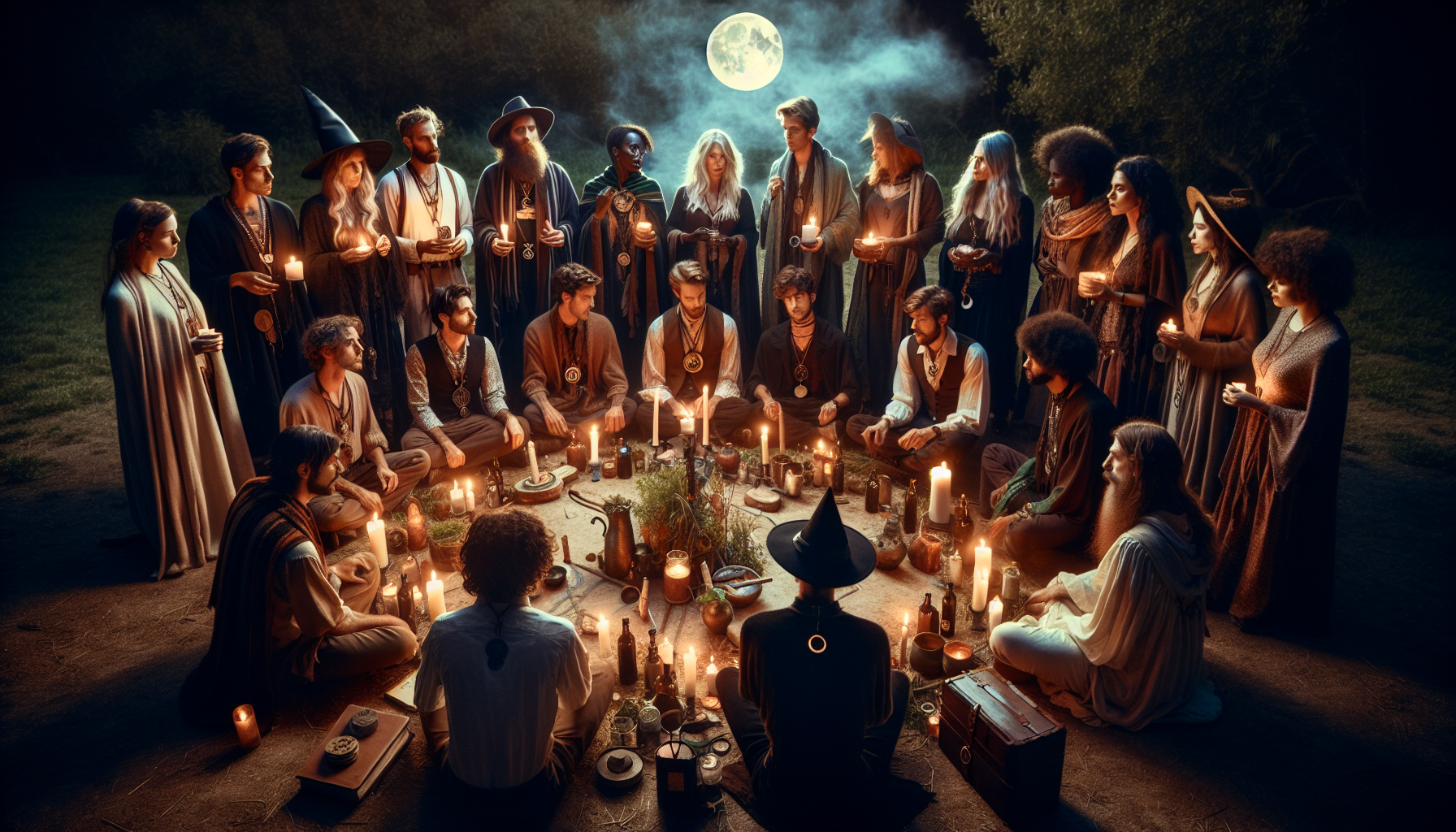
The Resurgence of Modern Paganism
In recent decades, there has been a resurgence of interest in ancient pagan traditions and the celebration of pagan festivals. This revival of modern paganism events has been fueled by a desire to reconnect with nature, explore spirituality outside of traditional religions, and honor the wisdom of our ancestors.
Modern paganism events range from small gatherings in nature to larger community festivals. These events offer opportunities for individuals to gather, share knowledge, and participate in rituals that align with ancient pagan traditions. They provide a space for people to celebrate the cycles of nature, honor deities, and deepen their connection to the spiritual world.
Modern paganism events emphasize inclusivity and welcome people from various spiritual backgrounds. These gatherings often incorporate elements from different pagan traditions, allowing attendees to explore and learn from a diverse range of practices and beliefs.
"Modern paganism events are a testament to the enduring power and relevance of ancient pagan traditions. They provide a platform for spiritual seekers to connect, learn, and experience the magic of nature and the divine."
Through the exploration of the history of pagan festivals, we gain a deeper understanding of their significance and the role they play in modern pagan communities. These festivals remind us of the importance of maintaining a sacred bond with nature and preserving the wisdom of our ancestors. Whether we participate in ancient rituals or create our own, pagan festivals offer a gateway to spiritual growth and connection.
Have questions about strengthening your intuition or building a plan to do so? Get clarity on any concerns you may have.
The Role of Rituals in Pagan Festivals
In pagan festivals, rituals play a central role, serving as powerful tools for honoring deities, connecting with the natural world, and invoking spiritual transformation. These sacredrituals have been passed down through generations, embodying the ancient pagan traditions that continue to thrive today.
Rituals in pagan festivals are often performed in designated sacred spaces, which can be indoors or outdoors, creating an atmosphere of reverence and connection. These spaces are carefully crafted to enhance the spiritual experience, using elements such as altars, candles, and sacred objects to set the stage for rituals.
Symbolism plays a significant role in pagan rituals. Each ritual has its own unique symbols and practices that carry deep meaning and serve as a bridge between the physical and spiritual realms. Whether it's the burning of herbs to purify and cleanse, the pouring of water to symbolize renewal, or the use of crystals to amplify intentions, these symbolic actions help participants channel their energy and focus their intentions.
"Rituals provide a space for individuals to tap into their own inner power and connect with the Divine," says renowned pagan author, Jane Green. "They offer an opportunity to commune with nature, honor ancient traditions, and foster personal growth."
The Beauty of Ritual Practices
Ritual practices in pagan festivals vary widely, reflecting the diverse beliefs and traditions within the pagan community. These practices may include chanting, drumming, dancing, meditation, divination, and spellwork, among others. Each practice serves a specific purpose, whether it's to invoke energy, seek guidance, or celebrate the changing seasons.
Moreover, rituals in pagan festivals often take place during spiritual gatherings where like-minded individuals come together to share their experiences, wisdom, and support. These gatherings foster a sense of community and create a space for individuals to connect with others who share their spiritual path.
For many pagans, participating in rituals is not merely a superficial act, but rather a deeply meaningful and transformative experience. It is a way to access the ancient wisdom encoded in rituals, to connect with the natural world, and to reconnect with their own inner truth.
In summary, rituals in pagan festivals serve as powerful tools for honoring deities, connecting with the natural world, and invoking spiritual transformation. Through the use of sacred spaces, symbolic objects, and diverse ritual practices, pagans embrace the richness of ancient pagan traditions and create meaningful experiences in spiritual gatherings.
Key Traditions and Symbols of Ostara
As one of the most celebrated pagan festivals, Ostara is rich in traditions and symbols that hold deep significance. It is a time when the natural world awakens, and the energy of rebirth and fertility permeates the air. Let's explore some of the key traditions and symbols associated with this ancient earth-based holiday.
The Symbolism of Eggs
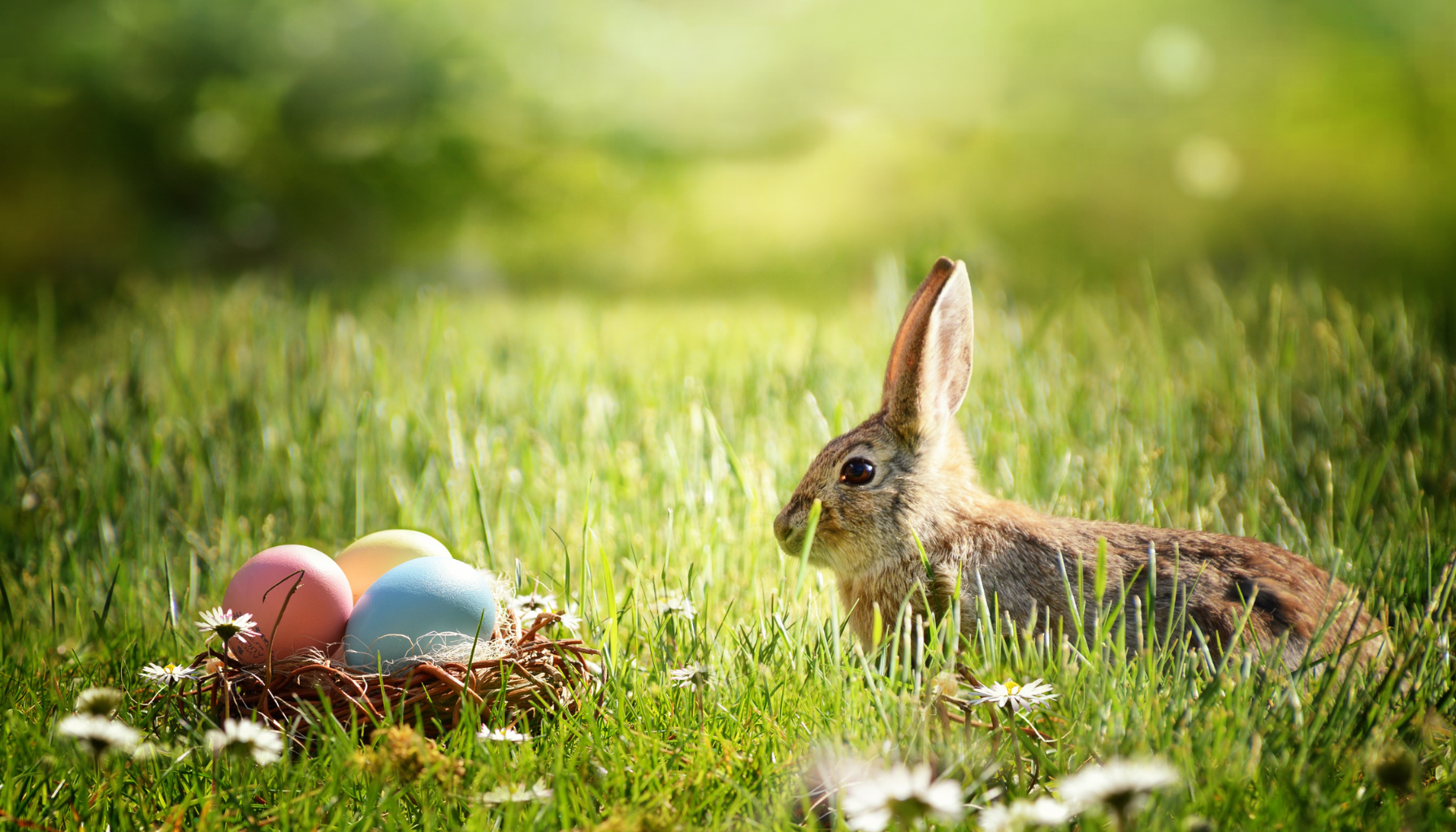
One of the most recognizable symbols of Ostara is the egg. In many cultures, eggs have long been associated with new life and fertility. They represent the potential for growth and transformation. During Ostara, it is common to decorate eggs with vibrant colors and intricate patterns, symbolizing the beauty and diversity of life that emerges with the arrival of spring.
The Charismatic Bunnies
Another beloved symbol of Ostara is the bunny, a creature known for its prolific breeding abilities. Bunnies remind us of the abundance of life and the cycle of birth and growth. They are considered sacred messengers of Ostara, carrying the joyful energy of the season. It is not uncommon to see children hunting for eggs hidden by the mythical Ostara bunny during the festivities.
Flowers: Nature's Gift
Flowers are a striking symbol of Ostara, reflecting the beauty and vibrancy of springtime. Daffodils, tulips, and lilies are often associated with this festival. These blossoms represent the renewal and rejuvenation of the Earth as it awakens from its winter slumber. Incorporating fresh flowers into rituals and decorations during Ostara helps to bring the energies of growth and beauty into the sacred space.
Traditional Earth-Based Holidays
Ostara is deeply rooted in earth-based traditions, drawing inspiration from ancient festivals that celebrated the changing seasons. It is a time when communities gather to honor the cycles of nature and express gratitude for the bountiful gifts of the Earth. These traditional holidays serve as reminders of the interconnectedness between humans and the natural world, fostering a sense of harmony and reverence.
By embracing the key traditions and symbols of Ostara, we can tap into the powerful energies of rebirth and fertility that permeate this sacred time. Whether it's decorating eggs, welcoming the Ostara bunny, adorning our spaces with vibrant flowers, or connecting with ancient earth-based holidays, let us immerse ourselves in the magic of this timeless celebration.
Rituals for Spiritual Renewal during Ostara
During the sacred festival of Ostara, we have the opportunity to engage in transformative rituals that promote spiritual renewal and personal growth. Through these rituals, we can deepen our connection with the ancient pagan traditions and harness the energies of the Spring Equinox.
Setting Intentions:
Begin your Ostara ritual by setting clear intentions for what you wish to manifest and release in your life. Choose specific goals and desires that align with the themes of rebirth, growth, and balance associated with this festival. Write down your intentions on a piece of paper, infusing them with your heartfelt emotions and desires.
Purification Rites:
Next, perform purification rites to cleanse your mind, body, and spirit. This can be done through a ritual bath, where you add herbs or essential oils known for their cleansing properties. As you soak in the warm water, visualize any negativity or stagnant energy leaving your body, making space for new beginnings.
Connecting with Nature:
One of the central aspects of Ostara is the celebration of nature's awakening. Take time during your ritual to connect with the natural world around you. You can go for a hike, sit in a garden, or simply spend time outdoors. Take deep breaths and feel the energy of the Earth, allowing it to nourish your soul and bring you into harmony with the cycle of life.
Invoking the Energies of the Spring Equinox:
As you conclude your ritual, invoke the energies of the Spring Equinox. Use sacred symbols such as flowers, eggs, or feathers to represent the renewal and fertility of this season. Light a candle and visualize the flame symbolizing the return of the Sun's warmth and vitality. Offer gratitude for the blessings in your life and open yourself up to the limitless possibilities that lie ahead.
Incorporating these rituals into your Ostara celebrations will deepen your connection with both ancient pagan traditions and the spiritual essence of this festival. Embrace the opportunity for personal growth and renewal, carrying the wisdom gained during Ostara throughout the rest of the year.
Celebrating Ostara as a Wiccan
For Wiccans, Ostara is a special time to honor the changing seasons and connect with the natural world. This ancient pagan tradition holds deep spiritual significance, as it celebrates the arrival of spring and the renewal of life. Wiccans can embrace the magic of Ostara by incorporating their beliefs and practices into the festivities.
One of the key aspects of Wiccancelebrations during Ostara is the emphasis on nature and the divine feminine. Wiccans often hold rituals outdoors, surrounded by the beauty of blooming flowers and the energy of the Earth. These rituals can include invocations to deities associated with the season, such as Persephone or Eostre, to invite their presence and blessings.
Spells are another integral part of the Wiccan celebration of Ostara. These spells focus on themes of growth, abundance, and fertility, harnessing the potent energies of the Spring Equinox. Wiccans may perform spells to attract new beginnings, enhance personal growth, or bring balance to their lives. The use of crystals, herbs, and candles can further amplify the intentions and energy of these spells.
"During Ostara, Wiccans have the opportunity to connect deeply with the cycles of nature and the divine energies that permeate the world around us. Through rituals and spellwork, we honor the awakening of the Earth and pave the way for growth and abundance in our own lives."
Wiccans can also incorporate divination practices into their Ostara celebrations to gain insight and guidance for the upcoming season. Tarot readings, scrying, and other forms of divination can help Wiccans tap into the spiritual energies of Ostara and receive messages and wisdom from the divine.
Furthermore, the creation of an altar is a common practice among Wiccans during Ostara. This altar serves as a focal point for rituals and spellwork, adorned with symbols and items representing the themes of the season. Wiccans may include eggs, flowers, feathers, and other elements that symbolize rebirth, fertility, and new beginnings.
Celebrating Ostara as a Wiccan allows individuals to deeply connect with their spiritual beliefs and the natural world. By incorporating Wiccan rituals, spells, and invocations into the celebrations, Wiccans can harness the profound energies of Ostara, embrace the balance of light and dark, and welcome the transformative powers of the Spring Equinox.
Modern Interpretations of Ostara
Modern pagans have found unique and creative ways to interpret and celebrate Ostara, infusing ancient traditions with their own innovative practices. This evolution of pagan festivals reflects the ever-changing landscape of spirituality and the desire to connect with the natural world in contemporary contexts.
One notable aspect of modern interpretations of Ostara is the emphasis on eco-friendly rituals. Many pagans understand the importance of preserving and honoring the Earth, making conscious choices to minimize their impact on the environment during their celebrations. From using sustainable materials for decorations to planting trees and flowers as part of their rituals, these eco-conscious practices are a testament to the interconnectedness of spirituality and environmental stewardship.
Another aspect of modern Ostara celebrations is the emphasis on community gatherings. These events bring together like-minded individuals, creating a sense of belonging and shared experience. Through workshops, discussions, and rituals, pagans have the opportunity to learn from one another and strengthen their spiritual connections. These gatherings often foster a sense of unity and provide a space for individuals to express their authentic selves.
"Ostara is a time when we come together as a community to honor the cycles of nature and celebrate the arrival of spring," says Amanda Greenstone, a modern pagan practitioner. "Through our collective rituals and shared experiences, we tap into the ancient wisdom of our ancestors while creating new traditions that resonate with our modern lives."
Creative expressions of spirituality also play a significant role in modern interpretations of Ostara. Many pagans incorporate art, music, and dance into their rituals as forms of self-expression and celebration. From painting eggs with vibrant colors and symbols of fertility to creating intricate nature-inspired altars, these artistic expressions serve as powerful conduits for connecting with the divine and embracing the energy of the season.
As modern paganism continues to evolve, so does the celebration of Ostara. Each individual brings their unique perspective and experiences, adding depth and richness to this ancient festival. By combining ancient traditions with innovative practices, modern interpretations of Ostara provide a dynamic and ever-changing tapestry of spirituality, fostering personal growth, connection to the Earth, and a celebration of the cycles of life.
Enhancing the Ostara Experience with Music and Dance
Ostara, with its rich history rooted in ancient pagan traditions, presents a magical opportunity to celebrate the arrival of spring and the balance of light and dark. Alongside the colorful rituals and symbolism, the role of music and dance in enhancing the Ostara experience should not be underestimated.
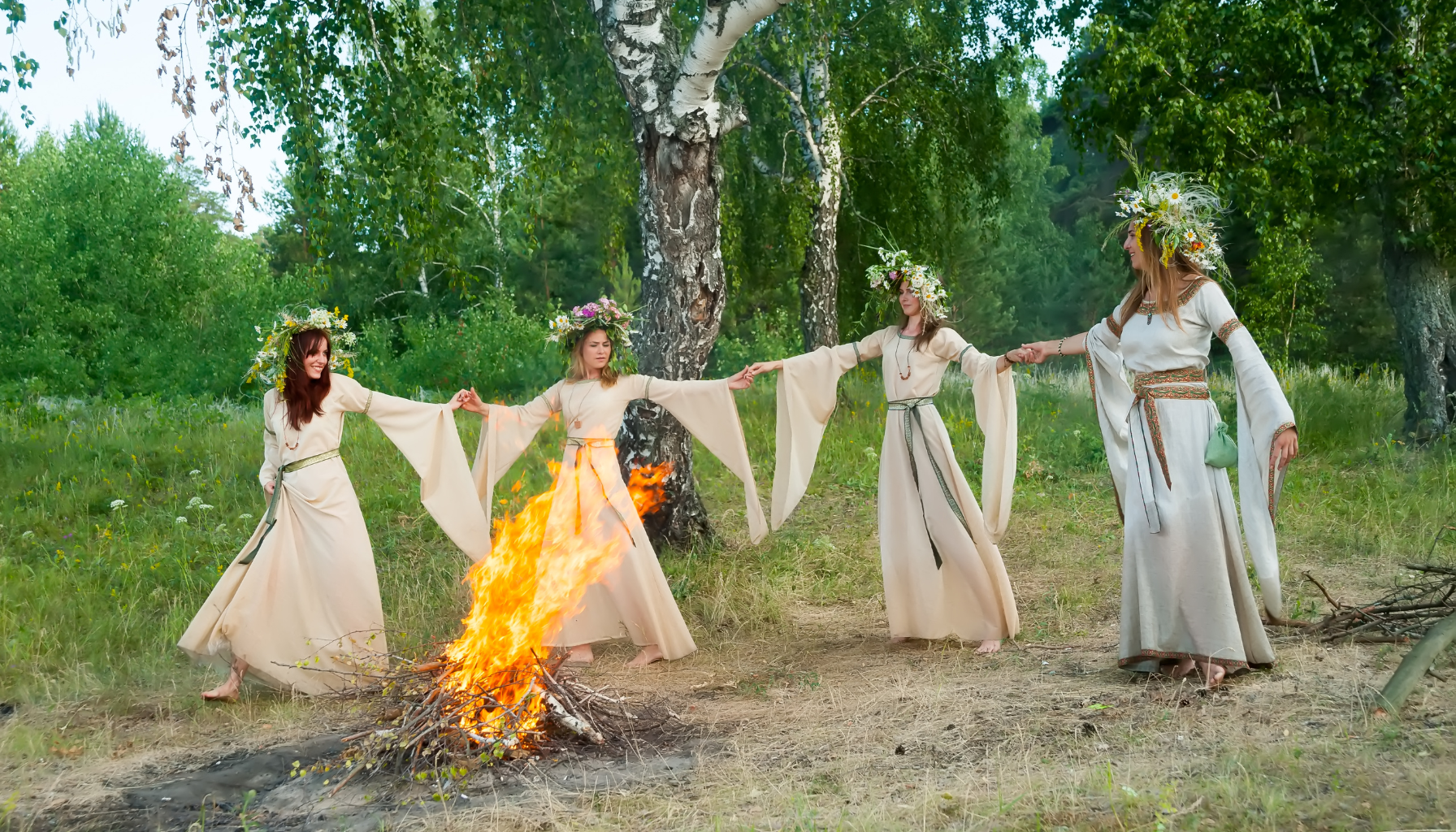
The rhythm of drums, the melody of flutes, and the enchanting sounds of traditional instruments hold the power to evoke the energy of the season and enhance the festive atmosphere. As the dancing flames illuminate the sacred space, the collective celebration comes alive with vibrant music and graceful movements.
Enlivening the Rituals
The beats of the drum can resonate with the heartbeat of the Earth, grounding participants in the rhythm of nature. The sweet melodies of flutes and harps can create an ethereal ambiance, transporting attendees to a world of enchantment. Chants and incantations, accompanied by music, can strengthen the intent of spells and invocations during the festivities.
"Music is an integral part of ancient pagan traditions and deeply intertwined with seasonal festivities," says renowned pagan scholar, Dr. Elspeth Moonstone. "It serves as a channel to connect with the spirits of nature and invoke the essence of Ostara."
Dancing in Harmony
As bodies sway, twirl, and stomp to the beat, dancers become one with the primal energy of the season. They embody the essence of Ostara, merging their movements with the awakening Earth. Whether it's graceful, flowing movements or energetic, rhythmic steps, the dance reflects the joy and vitality of spring, filling the air with a sense of enchantment.
Together, music and dance create a captivating synergy, fostering a deeper connection with the ancient origins of Ostara. They bring people together in a shared experience, inviting them to immerse themselves in the magic of the season and celebrate the renewal and growth that Ostara represents.
"Dance is a powerful form of expression that allows individuals to embody the transformative energies of Ostara," explains renowned dancer and spiritual guide, Serena Windwalker. "Through dance, we celebrate the cycles of nature, embracing rebirth, growth, and harmony."
Embracing the Wisdom of Ostara Year-Round
As we immerse ourselves in the enchantment of the Ostara festival and bask in its transformative energy, let us not forget to carry the wisdom and lessons learned throughout the year. Although the celebration of Ostara may be fleeting, the principles it embodies can be nurtured and integrated into our daily lives, fostering a deeper connection with nature and the divine.
Ostara, one of the most cherished pagan festivals, invites us to embrace the cycles of rebirth, growth, and balance. It reminds us of the ever-changing nature of existence and encourages us to align ourselves with the energies of the natural world. By nurturing these principles, we can cultivate a sense of harmony and spiritual well-being that extends far beyond the boundaries of the festival.
One way to embrace the wisdom of Ostara year-round is to prioritize our connection with nature. Spend time outdoors, whether it's tending to a garden, taking peaceful walks in the woods, or simply sitting in quiet contemplation beneath the open sky. Allow the natural world to inspire and guide you, tapping into the profound wisdom that resides within every living being.
"Nature always wears the colors of the spirit." - Ralph Waldo Emerson
Additionally, consider incorporating rituals and practices into your daily routine that promote personal growth and self-reflection. Create moments of stillness and silence, whether through meditation, journaling, or engaging in mindful activities. These practices can help us cultivate clarity, wisdom, and a deeper understanding of ourselves and our place in the universe.
Furthermore, seek out spiritual gatherings and like-minded communities that align with your beliefs and values. Participating in pagan festivals and joining others in celebration can provide a sense of belonging and support on your spiritual journey. These gatherings offer opportunities for shared experiences, learning from one another, and expanding your spiritual horizons.
Embrace the Wisdom, Embrace Life
Ostara teaches us that life is a continuous cycle of birth, growth, death, and rebirth. By embracing the wisdom of this sacred festival, we can navigate life's challenges with grace, find solace in times of darkness, and revel in moments of joy and growth.
Let Ostara be a reminder not only during the festival but throughout the year, that the sacred energy of rebirth and renewal is ever-present. Embrace the magic that resides within you, and through conscious intention and alignment with nature, watch as your life unfolds in harmony with the rhythms of the universe.
Closing Thoughts on the Magic of Ostara
In conclusion, the enchanting traditions and rituals associated with Ostara, one of the most significant pagan festivals, reveal the timeless nature of ancient pagan traditions and their relevance in the modern world. Celebrated during the Spring Equinox, Ostara symbolizes the arrival of spring and the balance between light and dark.
Through sacred rituals and spiritual gatherings, participants embrace the wisdom of our ancestors, fostering personal growth and connection with the natural world. By honoring deities, engaging in purification rites, and setting intentions, Ostara provides a powerful opportunity for spiritual renewal.
As modern paganism events continue to evolve, Ostara offers a space for creative expressions of spirituality. From eco-friendly rituals and community gatherings to the incorporation of music and dance, participants find innovative ways to connect with the ancient traditions while infusing contemporary practices.
In this fast-paced modern world, embracing the magic of Ostara reminds us of the importance of ancient wisdom, rebirth, and growth. By carrying the lessons learned during this festival year-round, we cultivate a deeper connection with nature, the divine, and ourselves. Let us always cherish the traditions of pagan festivals and continue to celebrate the magic of Ostara.

HEY, I’M HAZEL…
I've been a practicing witch since 2001. This site began as a vehicle to share my experiences with witchcraft, and has developed into conversations which link the physical practices of witchcraft with spiritual development. My goal is to connect people with their ability to manifest through developing intuition (divine connection) and the confidence to drive that divine force. Through these videos and resources available on my website, I aim to help those looking for clarity and purpose find it, while also incorporating how to integrate magickal tools such as herbs, spells, crystals, and pagan belief systems to create TRUE spiritual magick.



Get Full Access to All Posts and Resources!