
Exploring the Fusion of Spirituality and Culture
Welcome to our insightful article where we dive deep into the fascinating connection between spirituality and culture. It is through this exploration that we aim to unravel the intricate ways in which cultural diversity shapes and is shaped by spiritual beliefs and practices. Join us on this journey as we uncover the powerful influence that cultural diversity has on spirituality.
Key Takeaways:
Cultures and spirituality are deeply interconnected, shaping each other in profound ways.
Spiritual beliefs vary across cultures, from indigenous traditions to organized religions.
Cultural traditions play a vital role in shaping spiritual practices, rituals, and customs.
Culture exerts a significant influence on an individual's spiritual identity.
Spirituality takes unique expressions in different cultures around the world.
Understanding Spiritual Beliefs Across Cultures
In this section, we embark on a fascinating exploration of the diverse and intricate spiritual beliefs that thrive across different cultures. From ancient indigenous traditions passed down through generations to organized religions practiced by billions, the intersection of spirituality and culture is a rich tapestry that shapes the lives of individuals and communities worldwide.
From the vivid ceremonies of Native American tribes to the serene meditation practices of Buddhist monks, spirituality manifests itself in a myriad of ways across cultural contexts. These beliefs not only provide a framework for understanding the world and beyond but also shape the values, customs, and traditions that define a culture's identity.
"The cultural diversity of spiritual beliefs is a testament to the vastness of human experience and the beauty of individual expression," explains Dr. Maya Patel, a renowned expert in the field of religious studies. "By exploring the intersection of spirituality and culture, we can deepen our understanding of different belief systems and gain valuable insights into our own spiritual journeys."
Across the globe, spiritual beliefs serve as the foundation for individuals seeking to make sense of life's mysteries and find meaning in their existence. From the profound devotion of the faithful in Christianity and Islam to the harmonious coexistence of spiritual practices in Eastern philosophies like Hinduism and Taoism, the world is filled with diverse perspectives on the divine.
Furthermore, spiritual beliefs often play a pivotal role in shaping a culture's values, ethics, and social structures. They influence how individuals approach concepts such as morality, justice, and compassion, providing guidance and shaping behavior within communities.
"Understanding the spiritual beliefs across cultures gives us a profound appreciation for the intricate web of human experience," says Professor David Thompson, a leading expert in cultural anthropology. "It highlights the fundamental need for individuals to find solace, connection, and purpose in their lives, regardless of the cultural or religious context in which they reside."
As we delve deeper into the rich tapestry of spiritual beliefs across cultures, we gain invaluable insights into the universal human quest for transcendence and self-discovery. By engaging in this exploration, we broaden our horizons and foster a deeper appreciation for the profound beauty of cultural diversity.
Cultural Traditions and Spiritual Practices
One of the most fascinating aspects of spirituality is its deep connection with cultural traditions. Cultures around the world have developed unique rituals, ceremonies, and customs that form an integral part of their spiritual practices. These traditions not only provide individuals with a sense of belonging and identity but also contribute to their spiritual experience and expression.
When we explore cultural traditions and spiritual practices, we enter a world filled with rich symbolism and profound meaning. Whether it's the mesmerizing dances of the Native American tribes or the meditative chants of Buddhist monks, each cultural tradition offers a distinctive pathway to spiritual enlightenment.
"Cultural traditions have a way of grounding us in our spiritual journey," says Dr. Sarah Thomas, an anthropologist specializing in the intersection of culture and spirituality. "They serve as a bridge between the physicality of our existence and the transcendent realms of the divine."
"Rituals and ceremonies are the heartbeat of cultural traditions," explains Dr. Thomas. "They provide a framework for individuals to connect with higher beings, ancestors, and the collective consciousness of their culture."
The Power of Rituals and Ceremonies
Through rituals and ceremonies, people honor their cultural heritage, paying homage to the wisdom of their ancestors. These practices often encompass various elements like music, dance, prayer, and offerings, all of which serve as conduits for connecting with the divine.
Customs and Spiritual Expression
Customs, on the other hand, are deeply ingrained practices that reflect the spiritual values of a particular culture. They are the everyday expressions of the sacred, influencing how individuals interact with the world around them. For example, in Hindu culture, the act of touching an elder's feet is a custom that signifies respect and reverence. Similarly, the Sabbath observance in Judaism is a custom that promotes rest, reflection, and spiritual connection.
"Customs are like threads that weave spirituality into the fabric of our daily lives," says Dr. Thomas. "They help us embody our spiritual beliefs, reminding us to live in harmony with ourselves, others, and the natural world."
By exploring cultural traditions and spiritual practices, we open ourselves up to a myriad of possibilities for personal growth and transformation. Each tradition offers a unique perspective on the spiritual journey, inviting us to embrace diversity and expand our understanding of the divine.
The Influence of Culture on Spiritual Identity
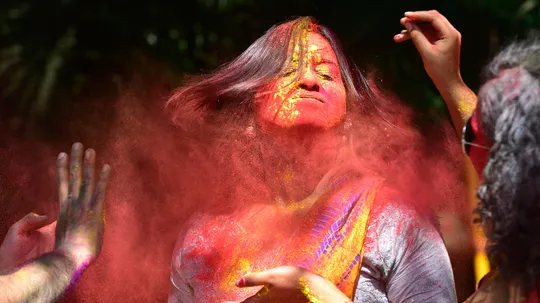
When it comes to spirituality, one cannot overlook the profound impact that culture has on shaping an individual's spiritual identity. Cultural influences are deeply intertwined with our spiritual beliefs and practices, guiding us in our quest for meaning and connection.
Cultural norms, values, and social structures play a significant role in shaping spiritual beliefs and practices. From the traditions passed down through generations to the societal expectations and rituals, culture provides the framework within which spiritual identity develops.
"Culture is an invaluable lens through which we perceive and interpret the spiritual realm." - Dr. Maria Torres, Anthropologist
For example, in some cultures, spirituality is deeply rooted in nature, emphasizing a harmonious coexistence with the environment. In others, spirituality may revolve around communal rituals and celebrations, fostering a sense of collective identity and shared spiritual experiences.
Moreover, cultural diversity adds another layer of complexity to spiritual identity. As individuals navigate between different cultures, their spiritual beliefs and practices may evolve and adapt, incorporating elements from various cultural traditions.
Ultimately, it is the intersection of culture and spirituality that shapes our understanding of the divine, our connection to the sacred, and our sense of purpose in the world. By exploring the cultural influences on spirituality, we gain a deeper appreciation for the rich tapestry of spiritual identities that exist within and across cultures.
Spirituality in Different Cultures
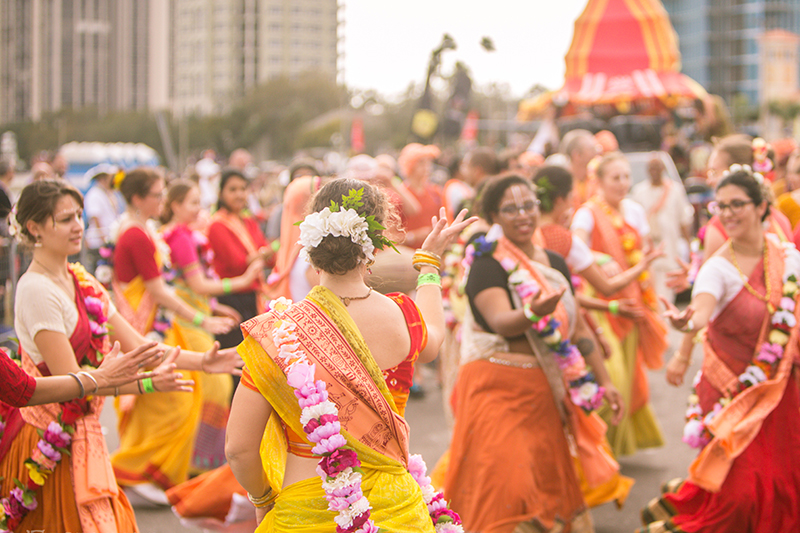
As we explore the fusion of spirituality and culture, it is crucial to acknowledge the rich tapestry of spiritual beliefs that thrive across different cultures. From the ancient wisdom of Eastern philosophies like Buddhism and Hinduism to the enduring traditions of Western religious practices such as Christianity and Judaism, spirituality manifests itself in unique and profound ways within diverse cultural frameworks.
Each culture brings its own distinctive essence and perspective to spirituality, shaping it into a vibrant tapestry of beliefs, rituals, and customs. Eastern philosophies embrace concepts such as enlightenment, karma, and meditation as pathways to spiritual growth and enlightenment. With a focus on self-realization and interconnectedness, these traditions offer profound insights into the human experience and the quest for spiritual understanding.
Conversely, Western religious traditions emphasize faith, divine revelation, and the worship of a higher power. Rituals, sacraments, and scripture play an integral role in connecting individuals to their spiritual beliefs and fostering a sense of community. Christianity, with its diverse denominations and interpretations, offers a multitude of spiritual expressions within Western cultures.
"The spiritual practices and beliefs of different cultures provide a window into the diverse ways in which human beings seek meaning, connection, and transcendence," says Dr. Sarah Thompson, a renowned expert in intercultural spirituality. "Understanding and appreciating these varied expressions of spirituality deepen our understanding of culture and enrich our own spiritual journeys."
By recognizing and exploring spirituality in different cultures, we can broaden our perspectives, challenge our assumptions, and cultivate a deeper appreciation for the vast tapestry of human spirituality. Whether we find solace in the serenity of a Buddhist meditation retreat or seek guidance through prayer in a cathedral, the spirituality that permeates cultures around the world serves as a testament to our universal quest for meaning and connection.

Have questions about strengthening your intuition or building a plan to do so? Get clarity on any concerns you may have.
Cultural Diversity and the Evolution of Spirituality
In this section, we will explore the profound impact that cultural diversity has on the evolution of spirituality. By embracing a multitude of perspectives, practices, and beliefs, individuals and communities can create a rich and inclusive spiritual landscape.
Cultural diversity serves as a catalyst for spiritual growth, allowing individuals to expand their understanding of the divine and discover new pathways to enlightenment. When different cultures come together, their unique spiritual traditions merge and intermingle, giving rise to transformative experiences and fresh insights.
"Through the celebration of cultural diversity, we can unlock the true potential of our spiritual journey."
This fusion of spirituality and cultural diversity fosters a sense of unity and interconnectedness among people of different backgrounds. It reminds us that spirituality transcends geographical borders and that we are all interconnected in our search for meaning and purpose.
By embracing cultural diversity, we challenge our preconceived notions and broaden our horizons, enabling us to recognize the underlying universal truths that unite all spiritual paths. This inclusive approach allows us to appreciate the beauty and wisdom in every cultural expression of spirituality, leading to a more profound and fulfilling spiritual experience.
Furthermore, cultural diversity in spirituality encourages dialogue and shared learning, as individuals from different cultures come together to exchange ideas, practices, and insights. This cross-pollination of spiritual knowledge leads to the evolution and enrichment of spiritual traditions, creating a vibrant tapestry of beliefs and practices that continually adapts and grows.
"Cultural diversity acts as a catalyst, nurturing the continuous evolution of spirituality."
As we embrace cultural diversity in spirituality, we not only nurture our own spiritual growth but also contribute to the collective evolution of humanity's spiritual consciousness. By recognizing the value of diverse spiritual beliefs and practices, we pave the way for a harmonious and respectful coexistence that celebrates the richness of our shared human experience.
So, let us embrace cultural diversity as a sacred gift that guides us towards a deeper understanding of our spiritual selves and connects us to the diverse tapestry of humanity's spiritual quest.
Embracing Spirituality as a Cultural Identity
In our final section, we will explore the profound connection between spirituality and cultural identity. Spirituality, deeply rooted in personal beliefs and experiences, often intersects with cultural practices, values, and traditions. As individuals navigate their cultural heritage, they discover that spirituality becomes an integral part of their identity, shaping their worldview and sense of belonging.
By embracing spirituality as a cultural identity, individuals are able to connect more deeply with their cultural roots and find resonance within their broader community. Whether through participating in religious ceremonies, engaging in rituals, or practicing meditation techniques, spirituality provides a lens to view and understand cultural heritage in a meaningful way. It becomes a bridge that connects generations and fosters a sense of unity and continuity.
Spirituality as a cultural identity also enables individuals to navigate the complexities of multicultural societies. In an increasingly diverse and interconnected world, embracing spirituality within one's cultural framework promotes tolerance, understanding, and empathy. It allows individuals to celebrate and appreciate the beauty of cultural diversity, while also nurturing a sense of common humanity.
Furthermore, by integrating spirituality into their cultural identity, individuals can find strength and resilience in times of adversity. Spirituality offers a source of comfort, guidance, and hope, empowering individuals to navigate challenges and maintain a strong sense of self amidst cultural shifts and external pressures.

HEY, I’M HAZEL…
I've been a practicing witch since 2001. This site began as a vehicle to share my experiences with witchcraft, and has developed into conversations which link the physical practices of witchcraft with spiritual development. My goal is to connect people with their ability to manifest through developing intuition (divine connection) and the confidence to drive that divine force. Through these videos and resources available on my website, I aim to help those looking for clarity and purpose find it, while also incorporating how to integrate magickal tools such as herbs, spells, crystals, and pagan belief systems to create TRUE spiritual magick.





Get Full Access to All Posts and Resources!