
Exploring the Intersection of Spirituality and Religion
Welcome to our enlightening journey into the captivating blend of spirituality and religion. In this article, we will explore how these two concepts intertwine to shape our beliefs, practices, and personal growth in everyday life. Whether you are seeking a deeper understanding of your own spirituality or are curious about the role of religion in society, this exploration will provide valuable insights and perspectives.
Key Takeaways:
Spirituality and religion are interconnected, influencing our beliefs and practices.
Spiritual beliefs encompass ideas about the divine and the nature of existence.
Religious practices include rituals, ceremonies, and community activities.
Religious traditions can facilitate spiritual growth and personal development.
Integrating spirituality into daily life enhances overall well-being.
Understanding Spiritual Beliefs and Religious Practices
In this section, we will dive into the core tenets of spirituality and religion, exploring the beliefs that form their foundations and the wide range of practices that individuals adopt to express their faith and spirituality.
Spiritual beliefs encompass a diverse spectrum of ideas and ideologies. They often involve a deeply personal connection with the divine or a higher power, as individuals seek to understand the meaning and purpose of life. Whether it's belief in a specific deity, the power of nature, or the existence of a collective consciousness, spiritual beliefs provide a framework for navigating the mysteries of existence.
Religious practices encompass the rituals, ceremonies, and traditions that are central to different religious traditions. From prayer and meditation to attending religious services and engaging in acts of devotion, these practices serve as vehicles for connecting with the divine and cultivating a deeper sense of spirituality.
"Religion is a container for spiritual beliefs, a structured system that bridges the gap between the divine and human experience," explains Dr. Sarah Collins, a renowned religious studies scholar. "It provides a framework for understanding the divine and offers guidelines for ethical living and spiritual growth."
While spiritual beliefs and religious practices often intertwine, it's worth noting that spirituality can exist outside the confines of organized religion. Some individuals adopt a more eclectic or individualistic approach to spirituality, drawing inspiration from various traditions and practices to create a customized spiritual path that resonates with them.
Understanding the core beliefs and practices of spirituality and religion is an essential foundation for exploring their impact on individuals and societies. In the following sections, we will delve deeper into how these beliefs and practices contribute to spiritual growth, impact daily life, and intersect with philosophy.
Nurturing Spiritual Growth through Religious Traditions
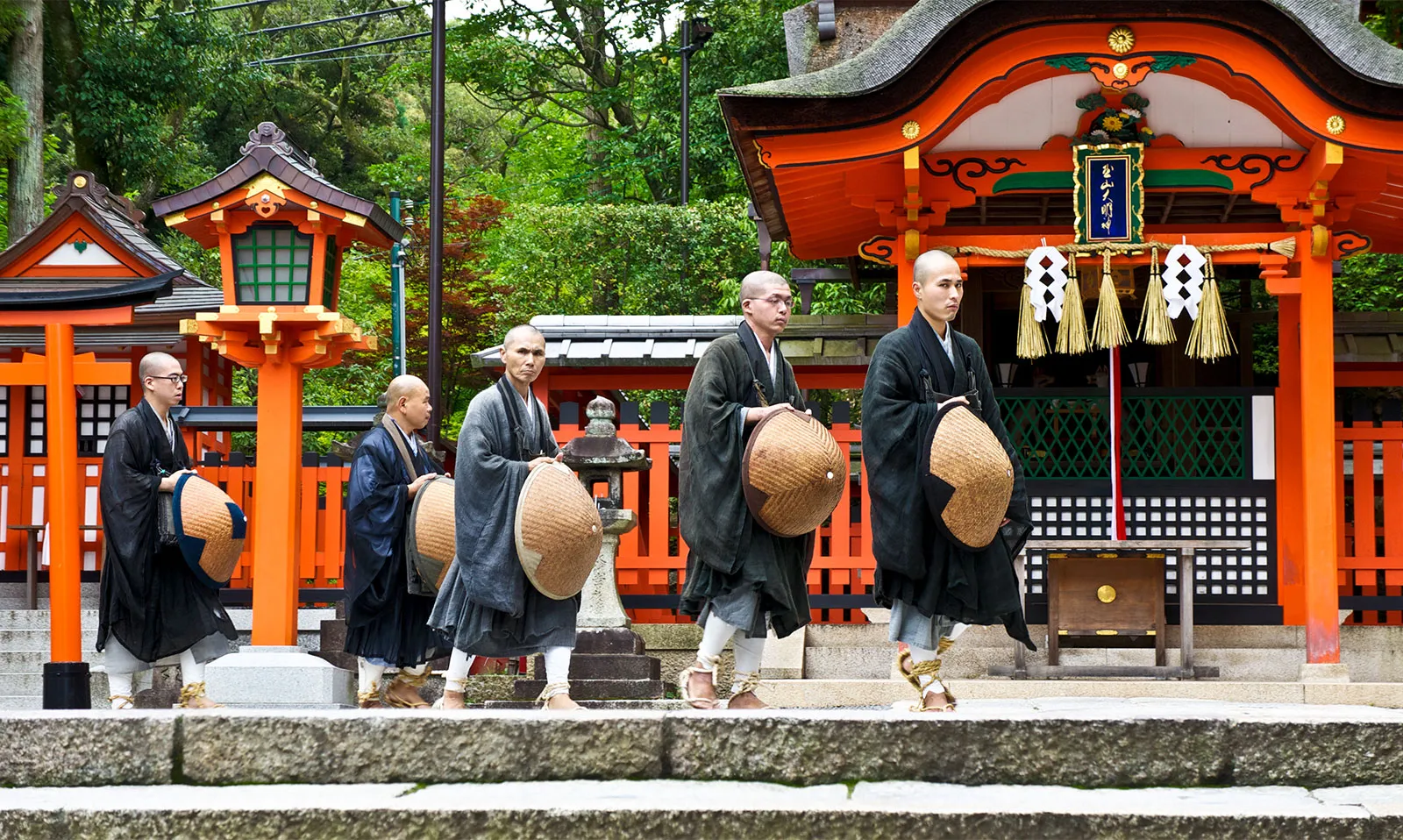
Religious traditions have long been intertwined with the journey of spiritual growth. Through rich rituals, sacred ceremonies, and vibrant community activities, individuals are able to deepen their connection to the divine and foster personal development.
Participating in religious traditions provides a profound sense of meaning and purpose, allowing individuals to transcend their everyday lives and tap into a higher realm of existence. These traditions offer a structured path towards self-discovery and spiritual enlightenment, guiding practitioners towards a greater understanding of themselves and their place in the world.
"Religious traditions provide a rich tapestry of practices that help us to cultivate spiritual growth,"shares Dr. Maya Sharma, a renowned spiritual leader. "Through rituals and ceremonies, we create sacred spaces to connect with the divine, fostering a sense of awe and reverence that fuels our inner growth."
"In the embrace of religious traditions, we find a sense of belonging and community,"explains Dr. Sharma. "The shared experiences and collective prayers strengthen our bond with others and create a support network that uplifts and encourages us on our spiritual journey."
Engaging in religious traditions also offers a transformative experience through immersion in ancient wisdom and teachings. These traditions hold centuries of accumulated knowledge, guiding individuals towards a deeper understanding of the universe, morality, and the purpose of life itself.

The Power of Rituals and Ceremonies
Rituals and ceremonies play a crucial role in religious traditions, serving as conduits for spiritual growth. These practices provide a sacred space for introspection, self-reflection, and connection with the divine. They enable individuals to enter a state of heightened awareness and create profound shifts in consciousness.
"Rituals and ceremonies are transformative gateways that allow us to transcend the mundane and enter the realm of the sacred," says Reverend Sophia Davis, a spiritual counselor. "Through these practices, we engage our senses, emotions, and thoughts, creating a harmonious alignment that nourishes our spiritual growth."
Cultivating Community and Compassion
Religious traditions often revolve around a vibrant and supportive community. From participating in group prayer to engaging in communal celebrations and charitable activities, individuals find a sense of belonging and shared purpose within these religious communities.
"Community is the heartbeat of religious traditions," emphasizes Swami Rajananda, a spiritual teacher. "As we come together in fellowship, we learn from one another, support each other through life's challenges, and collectively embody the teachings of our faith. Within these communities, we cultivate compassion, empathy, and a deep sense of interconnectedness."
By nurturing spiritual growth through religious traditions, individuals embark on a transformative journey of self-discovery and connection. The embrace of rituals, ceremonies, and community activities provides a foundation for personal and collective growth, fostering a deeper understanding of the divine and one's true purpose in life.
Integrating Spirituality into Daily Life
Infusing spirituality into our daily routines can provide a profound sense of purpose and enhance our overall well-being. Incorporating practices that nurture our spiritual essence allows us to cultivate a deeper connection to ourselves, others, and the world around us. Here are some suggestions for integrating spirituality into your daily life:
1. Mindfulness Practices
Practicing mindfulness involves intentionally bringing our attention to the present moment and fully experiencing it without judgment. Whether it's through meditation, deep breathing exercises, or simply being fully present during daily activities, mindfulness helps to create a sense of inner peace and awareness. Take time each day to be fully present in the present moment, letting go of worries and distractions.
2. Seeking Meaning in Interactions
Every interaction we have throughout the day presents an opportunity for spiritual growth and connection. By approaching each interaction with kindness, compassion, and understanding, we can foster deeper connections with others and cultivate a sense of unity. Listen actively, practice empathy, and engage in heartfelt conversations that nourish your soul and the souls of those around you.
"When we treat each person we encounter with love and compassion, we create an atmosphere of spirituality that permeates our daily lives."
3. Connecting with Nature
Nature has a way of grounding us and reminding us of the interconnectedness of all living beings. Find time each day to connect with the natural world, whether it's taking a walk in the park, tending to a garden, or simply sitting outside and breathing in the fresh air. Allow yourself to be fully present and to appreciate the beauty and wonder of nature, allowing it to nourish your spirit.
4. Cultivating Gratitude
Practicing gratitude is a powerful way to infuse spirituality into daily life. Take a moment each day to reflect on the things you are grateful for, whether it's the small joys, supportive relationships, or meaningful experiences. Expressing gratitude can shift your focus from what is lacking to what is abundant, fostering a sense of contentment and connection to something larger than yourself.
5. Engaging in Creative Expression
Creative activities such as painting, writing, playing an instrument, or dancing can be incredibly transformative and allow for self-expression. Engaging in these activities allows you to tap into your innermost emotions and connect with your spiritual essence. Set aside time each day for a creative outlet that brings you joy and helps you express yourself authentically.
Integrating spirituality into your daily life is a personal journey that requires conscious effort and intention. By embracing these practices and finding what resonates with you, you can bring a deeper sense of meaning, connection, and fulfillment to your everyday experiences.
Exploring the Relationship Between Religion and Philosophy
In this section, we will delve into the intriguing intersection of religion and philosophy, and how they intertwine to shape our understanding of the world and our place within it. Religion and philosophy are both powerful systems of thought that seek to provide answers to fundamental questions about existence, ethics, and the nature of reality.
Religion, with its rich traditions and teachings, offers individuals a framework through which they can explore these deep philosophical inquiries. It provides a moral compass, guiding believers on how to live a virtuous life and navigate the complexities of the human experience.
Philosophy, on the other hand, offers a rational and critical approach to examining these existential questions. It encourages individuals to question assumptions, challenge traditional beliefs, and explore alternative perspectives, often through logical reasoning and intellectual discourse. Philosophy seeks to uncover truths and understand the fundamental nature of reality.
Religion and philosophy intersect in profound ways, as they both strive to address the mysteries of life and our place in the universe. They share a common goal of seeking truth and meaning, albeit using different methodologies. While religion relies on faith and revelation, philosophy relies on reason and logical analysis.
Through the study of religion and philosophy, individuals can expand their understanding of the world, challenge their preconceived notions, and develop a more nuanced perspective. It allows for the exploration of diverse philosophical and religious traditions, encouraging dialogue and intellectual growth.
As Confucius once said, "To study and not think is a waste. To think and not study is dangerous." This quote highlights the importance of combining religious and philosophical exploration to cultivate a well-rounded understanding of the world and our place in it.
In the next section, we will provide resources for further exploration of spirituality and religion, guiding you towards books and communities that can support your personal journey of growth and discovery.

Resources for Exploring Spirituality and Religion
As you embark on your spiritual journey, it's important to have the right resources at hand to guide and inspire you. Luckily, there is a wealth of spirituality books available, offering profound insights and practical wisdom for seekers like yourself. Whether you're interested in mindfulness, meditation, or exploring different religious traditions, these books can be invaluable companions along your path to self-discovery and enlightenment.
Some highly recommended spirituality books include "The Power of Now" by Eckhart Tolle, which explores the transformative power of living in the present moment, and "The Alchemist" by Paulo Coelho, a mesmerizing tale of following one's dreams and uncovering the secrets of the universe. For those interested in Eastern wisdom, "Siddhartha" by Hermann Hesse and "The Tao Te Ching" by Lao Tzu offer profound insights into the nature of existence and the art of living.
While books can provide valuable knowledge and inspiration, joining a supportive spiritual community can also greatly enhance your journey. These communities provide a space for like-minded individuals to come together, share their experiences, and support each other's growth. Whether it's attending a local meditation group, joining a religious congregation, or participating in online forums, engaging with a spiritual community can offer guidance, companionship, and the opportunity to learn from others who are on a similar path.
Remember, spirituality is a deeply personal experience, and it's important to find resources and communities that resonate with your individual needs and beliefs. So take the time to explore different books, seek out communities that align with your values, and allow yourself to be open to new perspectives and experiences. With the right resources and the support of a vibrant spiritual community, your spiritual journey can be an enriching and transformative adventure.

HEY, I’M HAZEL…
I've been a practicing witch since 2001. This site began as a vehicle to share my experiences with witchcraft, and has developed into conversations which link the physical practices of witchcraft with spiritual development. My goal is to connect people with their ability to manifest through developing intuition (divine connection) and the confidence to drive that divine force. Through these videos and resources available on my website, I aim to help those looking for clarity and purpose find it, while also incorporating how to integrate magickal tools such as herbs, spells, crystals, and pagan belief systems to create TRUE spiritual magick.





Get Full Access to All Posts and Resources!