
How To Do A Tarot Reading On Yourself
If you're new to tarot reading and eager to explore the world of self-discovery and intuitive guidance, learning how to do a tarot reading on yourself is a great starting point. By tapping into the ancient wisdom of tarot cards, you can gain insights into your past, present, and future.
This guide is aimed at self tarot reading for beginners. In it, I will provide a step-by-step approach to conducting a self tarot reading. I will explain the basic meanings of tarot cards and offer tips on how to effectively read them to unlock their wisdom. So, whether you're seeking clarity, guidance, or personal growth, this beginner tarot guide will equip you with the knowledge you need to embark on your self tarot reading journey.
Key Takeaways:
Self tarot reading is a powerful tool for self-discovery and insight.
Understanding the meanings of tarot cards is essential for accurate interpretation.
Setting a clear intention and creating a sacred space can enhance your readings.
Choosing the right tarot deck and properly shuffling the cards are important preparatory steps.
Journaling and reflection can deepen your understanding of the messages received.
Understanding the Basics of Tarot Cards
Before diving into the world of self tarot reading, it's essential to have a basic understanding of what tarot cards are and how to read tarot cards. A tarot deck consists of 78 cards, each with its own unique symbolism and meaning. These cards are divided into two main categories: the Major Arcana and the Minor Arcana.
The Major Arcana cards represent significant life lessons, spiritual growth, and major events. They are often seen as the core of the tarot deck, offering profound insights and guidance. The Minor Arcana, on the other hand, delve into the daily aspects of life and provide more specific information and details.
Each tarot card carries its own individual message, and by understanding their meanings, you can unlock the wisdom they have to offer.
Let's take a closer look at the structure of a tarot deck:
The Major Arcana
The Major Arcana consists of 22 cards, each associated with a significant life lesson or archetype. These cards symbolize major life events and spiritual insights, making them powerful tools for self-discovery and personal growth. They often represent major turning points, challenges, or transformative experiences in our lives.
Familiarize yourself with the meanings of the Major Arcana cards to gain a deeper understanding of their profound messages.
The Minor Arcana
The Minor Arcana is divided into four suits: Wands, Cups, Swords, and Pentacles. Each suit represents a different aspect of life: creativity and passion (Wands), emotions and relationships (Cups), intellect and communication (Swords), and material aspects and abundance (Pentacles). The suits contain 40 cards in total, including the four court cards: Page, Knight, Queen, and King.
By familiarizing yourself with the meanings of the Minor Arcana cards, you can gain insights into the various areas of your life and understand how they interconnect.
Understanding the basics of tarot cards and their structure is the foundation for a successful self tarot reading practice. This knowledge will empower you to interpret the messages the cards hold and apply their wisdom to your own life.
Choosing and Preparing Your Tarot Deck
As a beginner in tarot reading, selecting the right tarot deck is essential for a meaningful and intuitive experience. Remember, your tarot deck should resonate with you and reflect your personal style. Here are some tips to help you choose the perfect deck:
Research Different Deck Styles: Take time to explore the various deck styles available, such as Rider-Waite, Thoth, or Marseille. Each deck has its own unique symbolism and imagery, so find a style that appeals to you.
Connect with the Deck: Visit a local metaphysical store or browse online to see the tarot decks in person. Hold them in your hands and see if you feel a connection or affinity towards any specific deck. Trust your intuition!
Consider the Artwork: Pay attention to the artwork and illustrations on the cards. Look for a style that resonates with you visually and emotionally. Remember, you will be working with these images during your readings, so choose something that inspires you.
Read Reviews or Watch Flip-Throughs: Before purchasing a deck, read reviews or watch flip-through videos online. This can give you a better idea of the deck's quality, card meanings, and overall suitability for beginners.
Once you have found the deck that speaks to you, it's important to cleanse and prepare it to establish a connection and create a sacred space for your readings. Here are a few cleansing and preparation rituals you can try:
Salt Cleanse: Sprinkle a small amount of salt on your deck and let it sit for a few minutes. Gently wipe off the salt using a soft cloth or tissue. This ritual helps remove any residual energies from previous use.
Moonlight Charging: Leave your tarot cards under the light of the full moon overnight. Moonlight is believed to cleanse and recharge the deck's energy, making it ready for meaningful readings.
Intention Setting: Hold the deck in your hands and set a clear intention for its use. Close your eyes, take a deep breath, and visualize your intentions infusing the deck with positive energy and spiritual connection.
Blessing Ritual: Create a personal ritual, such as lighting a candle or saying a prayer, to bless your deck and invite divine guidance into your readings.
By carefully choosing and preparing your tarot deck, you align yourself with the energy of the cards and create a harmonious connection that enhances your learning and interpretation abilities. Remember, trust your intuition and enjoy the journey of self-discovery through tarot reading!
Setting the Intention for Your Self Tarot Reading
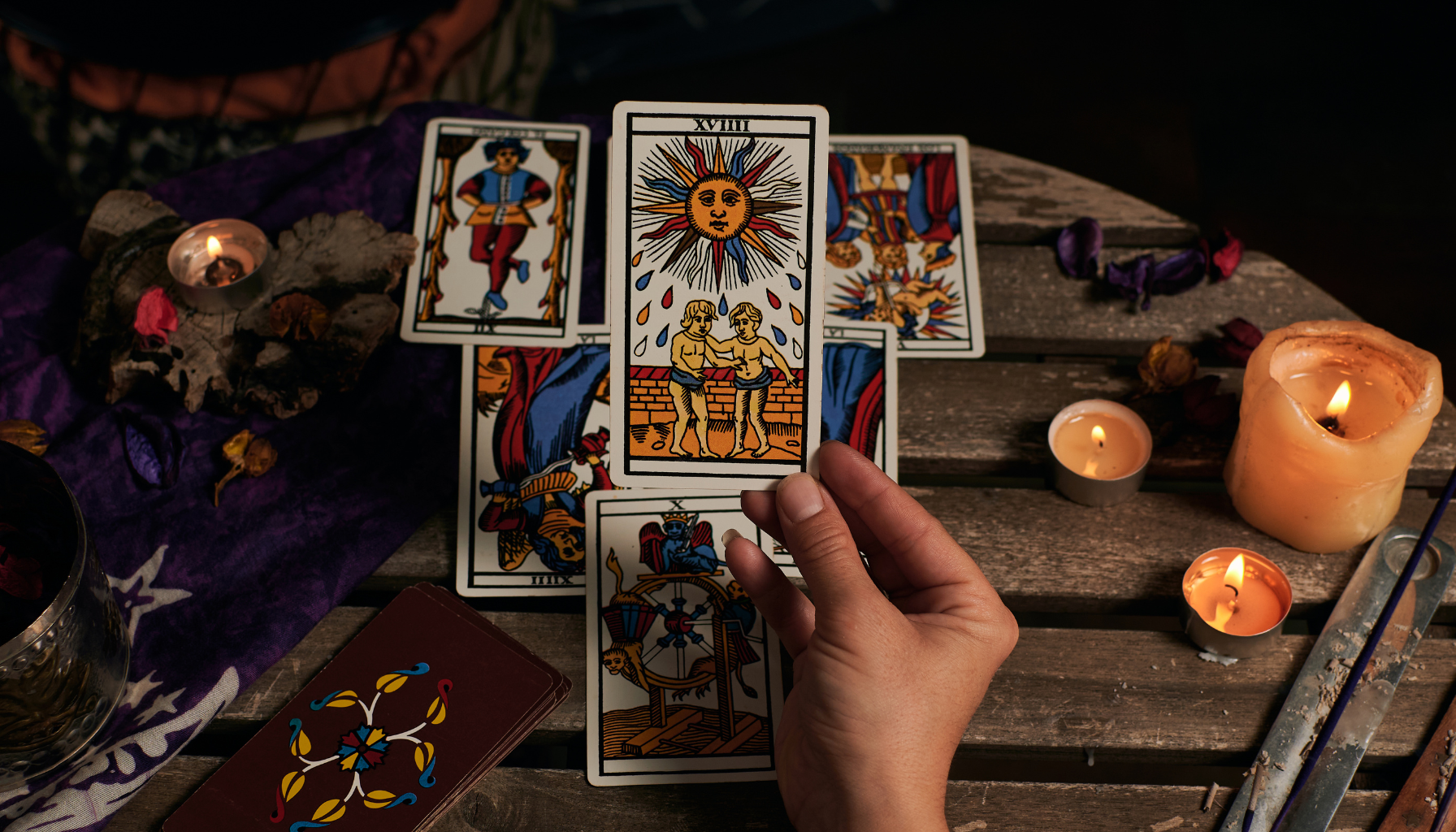
Before embarking on a self tarot reading, it is essential to set a clear intention. The intention you set will serve as the foundation for your reading, guiding the energy and focus of the cards. Whether you seek spiritual guidance, personal insight, or clarity on a specific situation, your intention will help direct the messages that unfold.
To set your intention, take a few moments to center yourself and reflect on what you hope to gain from the reading. Consider the questions or areas of your life that you want to explore. Remember, tarot is a tool for self-discovery and empowerment, so the more specific and heartfelt your intention, the more powerful your reading can be.
"Setting an intention before a tarot reading is like planting a seed of intention in your subconscious mind," says renowned tarot expert Mary Jones. "It allows you to align your energy with the cards and create a space for meaningful insights."
Once you have determined your intention, take a moment to visualize it in your mind's eye. Envision the outcome you desire and feel it in your heart. This visualization will help to manifest your intention and create a receptive state of mind for the reading.
"The intention you set is like a compass that guides the tarot cards toward the answers you seek," advises Jones. "It acts as a beacon, attracting the cards that carry the insights and messages that align with your intention."
By setting a clear intention, you create a sacred space in which the tarot cards can speak to you. Your intention becomes the driving force behind your self tarot interpretation, infusing your reading with purpose and meaning.
Basic Tarot Spreads for Self-Readings
Tarot card spreads play a crucial role in a self tarot reading, as they help organize and lay out the cards for interpretation. In this section, we will introduce beginners to a few simple and effective tarot spreads that can be easily used for self-readings. These spreads provide a structure for arranging the cards and give context to your questions or themes.
Choosing the right spread is important as it sets the foundation for the reading and helps focus your intentions. Different spreads offer different insights and perspectives, allowing you to explore various aspects of your life or seek guidance on specific topics. Let's explore a couple of easy tarot reading techniques to get started fast.
Past, Present, Future Spread
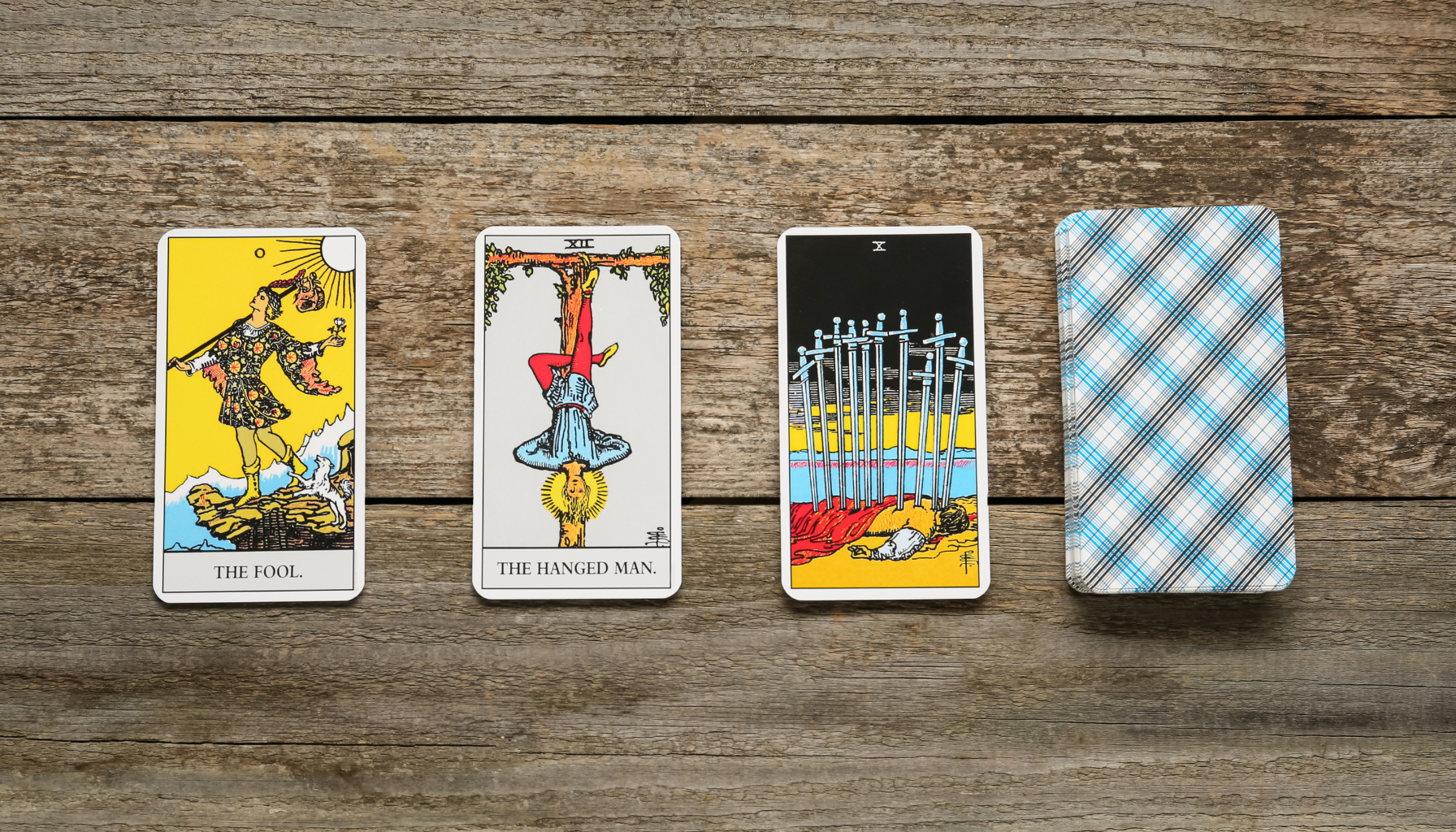
The Past, Present, Future spread is a classic and straightforward spread that offers insight into the chronological flow of events. It consists of three cards representing the past, present, and future.
"The Past card reflects past influences or experiences that have shaped your current situation. The Present card provides insights into your current circumstances and any energies or factors affecting you. The Future card offers a glimpse into what may unfold or the potential outcomes."
Three-Card Spread
The Three-Card spread is versatile and can be used for a wide range of questions or themes. It consists of three cards representing different aspects or perspectives related to your inquiry.
"The first card represents the current situation or the core of the issue. The second card offers guidance or advice on how to approach the situation. The third card signifies the potential outcome or what you should be aware of as you navigate through the situation."
These are just a few examples of basic tarot spreads that can provide valuable insights in self tarot readings. As you become more comfortable with tarot, you can explore and create your own spreads based on your specific needs or interests. Remember, the key is to choose a spread that resonates with you and supports your intuitive connection with the cards. With practice, you'll develop a deeper understanding of how the cards interact and form a narrative unique to your journey.
Shuffling and Drawing Tarot Cards
Shuffling the tarot deck effectively mixes the cards and creates randomness, allowing for a fair selection during the drawing process. Here's a simple method to shuffle your tarot deck:
1. Begin by holding the deck face-down in your non-dominant hand.
2. With your dominant hand, divide the deck into two roughly equal portions.
3. Take the portion in your dominant hand and place it on top of the other portion, combining the two halves of the deck.
4. Continue the shuffling process by dividing the deck into two portions again, placing one on top of the other.
5. Repeat this process several times, ensuring that the cards are thoroughly mixed.
Remember, the goal is to shuffle until you feel satisfied that the cards have been adequately randomized.
Drawing Tarot Cards
Once you have shuffled the deck, it's time to draw the cards for your self tarot reading. Here's a simple method to ensure a fair and intuitive card selection:
1. Hold the shuffled deck in your non-dominant hand with the cards facing down.
2. Focus your intention and ask your question or set your intention in your mind.
3. Use your dominant hand to draw a single card from the top of the deck.
4. Place the drawn card face-up in front of you.
5. Repeat this process for each card you wish to draw for your reading.
Remember to take your time with each draw, allowing for a moment of contemplation and interpretation before moving on to the next card.
By following these simple steps for shuffling and drawing tarot cards, you will set the foundation for a successful self tarot practice. The process of selecting a card will be unbiased, allowing for accurate interpretations and deeper insights into your personal journey.
Interpreting Tarot Cards and Their Meanings
Once the cards are drawn, beginners need to interpret their meanings. Interpreting tarot cards goes beyond the literal representation of the images. It involves deciphering the symbolism, imagery, and numerology associated with each tarot card, allowing for a deeper understanding of its message.
When interpreting tarot cards, pay attention to the visual cues and archetypal symbols present in the artwork. These symbols often carry hidden meanings and can provide additional insights into the card's message.
The Importance of Intuition
Developing your intuition is key to reading tarot cards effectively. Your intuition acts as a bridge between the conscious and unconscious mind, allowing you to tap into the wisdom and guidance of the cards.
When interpreting tarot cards, trust your instincts and rely on your intuition to guide you. Take note of the emotions, thoughts, and sensations that arise as you observe each card. These intuitive impressions can offer valuable insights that complement the traditional meanings associated with the cards.
"Intuition is the cornerstone of tarot reading. It is your subconscious mind speaking to you through the cards, offering guidance that goes beyond conventional interpretations." - Emily White, Tarot Expert
Remember, tarot card meanings are not set in stone. They can vary depending on the context of the reading, the position of the card in the spread, and the reader's intuition. Allow your intuition to guide you as you explore the depths of each card's meaning and relevance to the querent's question or situation.
By combining your knowledge of the traditional meanings with your intuition, you will be able to unlock the rich symbolism and hidden messages within the tarot cards, providing meaningful insights and guidance in your self tarot readings.
Journaling and Reflection in Self Tarot Reading
One of the most valuable tools for enhancing your self tarot reading practice is keeping a tarot journal. Journaling allows you to delve deeper into your interpretations, track your progress, and gain powerful insights from your tarot readings.
"By documenting your insights and experiences, you create a personal archive of wisdom that can guide you on your tarot journey."
There are many benefits to maintaining a tarot journal. It allows you to reflect on your interpretations, develop a deeper understanding of the cards, and track patterns or recurring themes that emerge in your readings. Journaling also provides a space for self-expression, allowing you to explore your thoughts, emotions, and reactions to the messages revealed through the cards.
"Use your journal to explore the nuances of each tarot card and the unique meanings they hold for you."
Here are some tips for effective journaling in your self tarot practice:
1. Reflect on your readings: After each self tarot reading, take the time to reflect on the cards and their meanings. Consider the insights they offer and any connections you may have with your personal experiences or circumstances.
2. Record your interpretations: Write down your interpretations of the cards and their positions within the chosen tarot spread. Be as detailed as possible, noting the symbolism, colors, and imagery that stand out to you. Reflect on how these elements contribute to the overall message of the reading.
3. Track your progress: Over time, review your journal entries to observe your growth as a tarot reader. Look for patterns, shifts in perspective, and any recurring themes that emerge in your interpretations. This will help you deepen your understanding of the cards and your intuitive abilities.
4. Ask reflective questions: Use journaling prompts to explore the deeper meaning behind your readings. Some examples include: - What lessons can I learn from this reading? - How can I apply the insights gained to my current situation? - Are there any recurring patterns or themes in my tarot readings?
"Remember, journaling is a personal practice - there are no right or wrong answers. Trust your intuition and allow your journal to become a sacred space for self-reflection."
By incorporating the practice of journaling into your self tarot readings, you will deepen your self tarot interpretation skills and develop a stronger connection with the cards. Your journal will become a valuable resource for self-reflection, personal growth, and ongoing learning on your tarot journey.
Avoiding Common Mistakes in Self Tarot Reading
As beginners embark on their tarot reading journey, they may inadvertently make common mistakes that can hinder the accuracy and effectiveness of their self tarot readings. Being aware of these pitfalls and learning how to avoid them can greatly enhance the insights gained from the cards. Here, we highlight some of the most common mistakes made by beginners and offer guidance on how to overcome them.
1. Relying Too Heavily on Guidebooks
While guidebooks can provide valuable interpretations of tarot card meanings, it's important for beginners to develop their intuition and personal connection with the cards. Over-reliance on guidebooks can limit your ability to truly tap into the messages and symbolism inherent in the cards. Take the time to connect with your own intuition and trust your inner guidance when interpreting the cards.
2. Asking Vague or Misguided Questions
The quality of your self tarot reading is greatly influenced by the questions you ask. Avoid asking vague or misguided questions that may yield unclear or confusing responses. Instead, focus on formulating specific and open-ended questions that allow for depth and clarity in the reading. Take the time to reflect on what you truly want to explore or seek guidance on before drawing the cards.
3. Neglecting Proper Grounding and Centering
Before delving into a self tarot reading, it's important to ground and center yourself to cultivate a clear and focused state of mind. Neglecting this step can make it difficult to attune to the energy of the cards and trust your intuitive interpretations. Incorporate grounding exercises, such as deep breathing or meditation, into your tarot practice to create a calm and receptive mindset.
"When you ground yourself, you establish a strong connection with the present moment, allowing you to receive the messages of the tarot with clarity and insight."
4. Overlooking Card Reversals
Card reversals offer additional layers of meaning and nuance in a tarot reading. Beginners may overlook or disregard the significance of card reversals, depriving themselves of valuable insights. Embrace the practice of interpreting both upright and reversed cards to gain a more comprehensive understanding of the messages conveyed by the tarot.
5. Ignoring Personal Intuition
Reading tarot is not just about memorizing card meanings or following rigid interpretations. Your personal intuition plays a pivotal role in understanding the symbolism and messages of the cards. Trust your instincts and allow your intuition to guide you in your interpretations. This will result in a more authentic and personalized reading experience.
By avoiding these common mistakes, beginners can elevate their self tarot reading practice and unlock a deeper understanding of the cards. Remember to trust your intuition, ask focused questions, and approach the tarot with an open mind. With patience and practice, your self tarot readings will become more insightful and accurate.
A live, online twenty minute tarot reading to cover one question. We begin with a three-card spread, adding cards as needed for clarity. You may ask any follow up questions you like during the reading.
Enhancing Your Self Tarot Reading Practice
Deepening your understanding of tarot and improving your self tarot reading skills is an ongoing journey. To support your tarot practice and further your learning, consider exploring additional resources. Here are some suggestions:
1. Books for Self Tarot Practice
Expand your knowledge and gain insights from experienced tarot practitioners through books. Look for titles that cover topics like tarot card meanings, interpretation techniques, and self tarot reading exercises.
2. Online Courses and Tutorials
Take advantage of online courses and tutorials designed for beginner and intermediate tarot enthusiasts. These resources provide structured learning, interactive exercises, and guidance from tarot experts.
3. Tarot Communities and Forums
Connect with like-minded individuals in tarot communities and forums. Engaging with others who share your passion for tarot can provide valuable insights, advice, and support. Join discussions, ask questions, and share your own experiences.
4. Tarot Apps and Websites
Explore the world of tarot through digital platforms. Tarot apps and websites offer a wide range of resources, including digital tarot decks, spreads, and interpretations. They can be a convenient and accessible way to enhance your self tarot practice.
5. Tarot Workshops and Events
Consider attending local tarot workshops or events. These face-to-face experiences provide opportunities to learn from skilled tarot readers, participate in hands-on activities, and connect with fellow enthusiasts in a supportive and immersive environment.
Remember, enhancing your self tarot reading practice is a personal journey. Experiment with different resources, find what resonates with you, and continue to explore and grow as you develop your skills in tarot reading.
Using Tarot for Personal Insight and Growth
Tarot is a powerful tool that goes beyond simply predicting the future. It can also provide valuable insights into your personal journey and support your growth and self-development. When you interpret the messages and lessons revealed in self tarot readings, you gain a deeper understanding of yourself and the situations you encounter in your daily life.
By learning tarot reading, you unlock the potential to tap into your intuition and access the wisdom within the cards. This process of self tarot interpretation allows you to gain clarity, explore different perspectives, and navigate challenges with a newfound awareness.
One way to apply the insights from your self tarot readings is to incorporate them into your personal development practices. Whether it's meditation, journaling, or affirmations, tarot can serve as a guiding light in your self-reflection and growth journey. By reflecting on the messages received from the cards, you can set intentions, align your actions with your values, and make conscious choices that align with your higher self.
"Tarot allows you to dive deep into your subconscious, uncovering hidden truths and shedding light on aspects of yourself that may need attention. It offers a mirror to your soul, helping you identify patterns, make empowered decisions, and embrace personal transformation."
When using tarot for personal insight and growth, it's important to approach the cards with an open and receptive mindset. Trust your intuition and allow the symbolism and imagery to speak to you in a way that is personal and relevant to your journey. Remember that tarot is a tool for self-discovery, and the true wisdom lies within you.
As you deepen your self tarot practice and continue to learn tarot reading, you will find that the cards become a trusted companion on your path of personal growth. They can provide guidance, encouragement, and validation, reminding you of your inner strength and resilience.
Integrating Tarot Into Your Daily Life
To integrate tarot into your daily life, consider incorporating simple practices that align with your personal beliefs and spiritual practices. Here are a few ideas:
Morning Reflection: Begin your day by pulling a tarot card and reflecting on its message. Consider how you can apply the card's energy or lesson to your day ahead.
Journaling: Write down your tarot readings and any insights they bring. Use this journal as a space for self-reflection, gratitude, and intention-setting.
Meditation: Use tarot imagery as a focal point during meditation. Visualize yourself embodying the energy of a specific card or seek guidance from the cards in a meditative state.
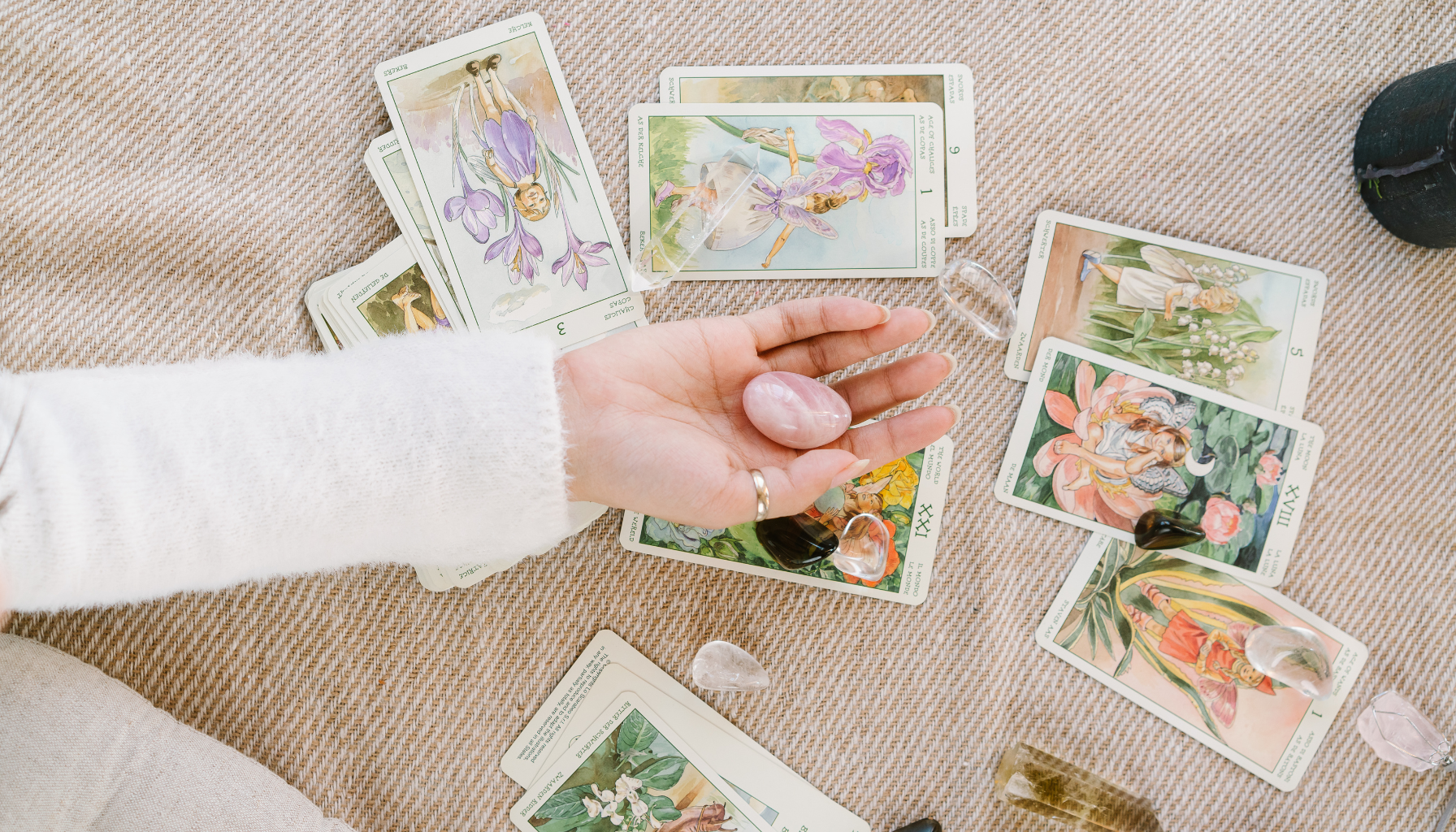
Rituals: Create rituals around tarot readings, such as lighting a candle, setting up a sacred space, or incorporating crystals to enhance the energy and intention behind your readings.
Remember, tarot is a personal practice, and there are no right or wrong ways to connect with the cards. Find the methods that resonate with you and nurture your connection with the tarot deck.
By using tarot for personal insight and growth, you embark on a journey of self-discovery, empowerment, and transformation. Embrace the wisdom of the cards, trust your intuition, and allow tarot to guide you on a path of personal evolution.
Tarot Reading Etiquette and Ethics
In the world of tarot reading, it is essential to uphold certain ethical considerations. Whether you are reading tarot for yourself or others, practicing good tarot reading etiquette is crucial. By following these guidelines, you can ensure a respectful and responsible tarot experience for everyone involved.
First and foremost, always obtain consent before conducting a tarot reading for someone else. It is important to respect their boundaries and make sure they are comfortable with receiving guidance from the cards. Without consent, the reading may not have the desired impact and could potentially breach the trust between the reader and the seeker.
Confidentiality is another vital aspect of tarot reading. Treat the information shared during a reading with utmost respect and discretion. Seekers often open up about personal challenges and emotions, and it is the reader's responsibility to maintain their confidentiality. Avoid discussing their reading with others unless specifically requested or with explicit permission.
Responsible interpretation is key when reading tarot cards. As a reader, it is crucial to provide an unbiased and objective interpretation while being sensitive to the seeker's feelings and emotions. Avoid projecting personal biases onto the reading and strive to deliver the message of the cards in a compassionate and non-judgmental manner.
By adhering to these guidelines, you can create an environment of trust, respect, and integrity in your tarot practice. As you deepen your understanding of the cards and refine your skills, remember that ethical conduct is essential to ensure a positive and enlightening tarot experience for both yourself and those you read for.

HEY, I’M HAZEL…
I've been a practicing witch since 2001. This site began as a vehicle to share my experiences with witchcraft, and has developed into conversations which link the physical practices of witchcraft with spiritual development. My goal is to connect people with their ability to manifest through developing intuition (divine connection) and the confidence to drive that divine force. Through these videos and resources available on my website, I aim to help those looking for clarity and purpose find it, while also incorporating how to integrate magickal tools such as herbs, spells, crystals, and pagan belief systems to create TRUE spiritual magick.



Get Full Access to All Posts and Resources!