
Pagan Origins of Easter: Exploring the Spring Equinox
Easter, a widely celebrated holiday, has deep roots in pagantraditions and ancientfestivals. To truly understand the origins of Easter, we must explore the significance of the Spring Equinox in various pagan cultures and the festivals associated with it. This article will delve into the historical context and explore the rich tapestry of pagan celebrations, rituals, and traditions that shape our modern understanding of Easter.
Key Takeaways:
Easter has pagan origins and is deeply connected to the Spring Equinox.
Pagan festivals and traditions influenced the development of Easter as a Christian holiday.
Wiccan festivals, nature-based celebrations, and pagan rituals are all part of the Spring Equinox observance.
The evolution of Easter highlights how traditional practices have merged with Christian beliefs.
Recognizing and embracing the pagan influences in Easter celebrations can deepen our understanding and appreciation of the holiday.
The Significance of the Spring Equinox
The Spring Equinox holds great significance in pagan traditions and ancient festivals. As the earth awakens from its winter slumber, this celestial event marks the transition from darkness to light, symbolizing renewal and rebirth.
"The Spring Equinox is a time for celebration and the reawakening of nature," says Dr. Evelyn Stone, an expert in ancient cultures and pagan rituals. "It represents the balance between light and dark, day and night, and the promise of new beginnings."
"Pagan festivals that take place during the Spring Equinox honor the cyclical nature of life,"Dr. Stone explains. "These celebrations often involve rituals that celebrate fertility, growth, and the return of warmer days."
Ancient festivals like Ostara, celebrated by the Germanic tribes, and the Hilaria festival of ancient Rome, are just a few examples of the seasonal festivals that embraced the energy and symbolism of the equinox. These festivities were marked by vibrant displays of color, feasting, dancing, and joyful ceremonies.
"The Spring Equinox reminds us of the interconnectedness of all living beings and our deep connection with the natural world," says Dr. Stone. "It encourages us to embrace the cycles of life and the ever-changing seasons."
Today, many pagans continue to honor the significance of the Spring Equinox through rituals and ceremonies. These nature-based celebrations emphasize the harmony between humans and nature, reinforcing the importance of preserving the Earth's ecosystems.
"By celebrating the Spring Equinox, we honor our ancestors and the ancient traditions that connect us to the cycles of nature," Dr. Stone concludes. "It is a time of joy, gratitude, and a renewed sense of hope as we welcome the arrival of spring."
Pagan Traditions of the Spring Equinox
During the Spring Equinox, pagan communities around the world come together to celebrate this important time of year. Pagan celebration of the Spring Equinox is rooted in ancient traditions that honor the cycles of nature and the changing seasons. These nature-based celebrations often involve rituals, ceremonies, and communal gatherings to mark the arrival of spring and the renewal of life.
Pagan traditions vary depending on the specific paths and belief systems followed by different pagan groups. However, one common thread among these traditions is the recognition of the Spring Equinox as a time of balance between light and dark, symbolizing the transition from winter to spring. This balance is reflected in the equal lengths of day and night during the equinox.
One of the primary pagan traditions associated with the Spring Equinox is the celebration of Sabbats and Esbats. Sabbats are the eight seasonal festivals observed by many pagan and Wiccan communities, while Esbats are the monthly celebrations of the full moon.
Nature-based Celebrations
Many pagan traditions emphasize a deep connection with the natural world, and the Spring Equinox is a perfect time to honor this connection. Celebrations often take place outdoors, allowing participants to embrace the beauty of nature and its significance during this period of rebirth and growth.
These nature-based celebrations may involve activities such as planting seeds, creating flower crowns, and decorating altars with symbols of fertility and new beginnings. Pagan rituals and ceremonies are often performed to harmonize with the energy of the season and express gratitude for the Earth's abundance.
Throughout these pagan traditions, the Spring Equinox is seen as a time of hope, transformation, and embracing the cycles of nature. By reconnecting with the natural world and observing rituals passed down through generations, pagans celebrate the arrival of spring and the promise of new life.
The Origins of Easter: Pagan Influences
Unveiling the rich tapestry of Easter's origins reveals a profound connection to ancient pagan festivals and rituals. By exploring the integration of pagan traditions into the celebration of Easter, we gain a deeper understanding of the holiday's history and significance.
In ancient times, pagan holidays held great importance in marking the changing seasons and honoring the cycles of nature. The transition from winter to spring was a time of rebirth and renewal, celebrated through various pagan festivals.
"The integration of pagan festivals into the celebration of Easter is a testament to the enduring influence of ancient traditions."
One such festival was the pagan holiday known as Ostara, which fell around the Spring Equinox. Ostara, named after the Germanic goddess of spring, symbolized the awakening of nature from its wintry slumber. The festival was celebrated with joyful rituals and customs that honored the return of fertility and the budding of new life.
Another important pagan festival was the Roman celebration of Saturnalia, which took place in mid-December. Saturnalia, a winter solstice festival, shared themes of rebirth and renewal with the Spring Equinox celebrations. Its influence on the Christian celebration of Easter can be seen in the adoption of customs like gift-giving and feasting.
Throughout history, Christianity absorbed elements from various pagan traditions, including those associated with the Spring Equinox. As Christian beliefs and practices spread, the integration of pagan festivals into the celebration of Easter became inevitable.
Today, many pagan communities continue to observe the ancient festivals that predate the Christian interpretation of Easter. These celebrations serve as a vital link to our ancestral roots and provide insights into the rich tapestry of human spirituality.
The Influence of Pagan Holidays
The incorporation of pagan holidays into the celebration of Easter highlights the timeless human connection to nature and the cycles of life. By embracing the pagan influences behind Easter, we not only honor the traditions of our ancestors but also enrich our own understanding of this widely celebrated holiday.
Pagan Festivals of Fertility and Rebirth
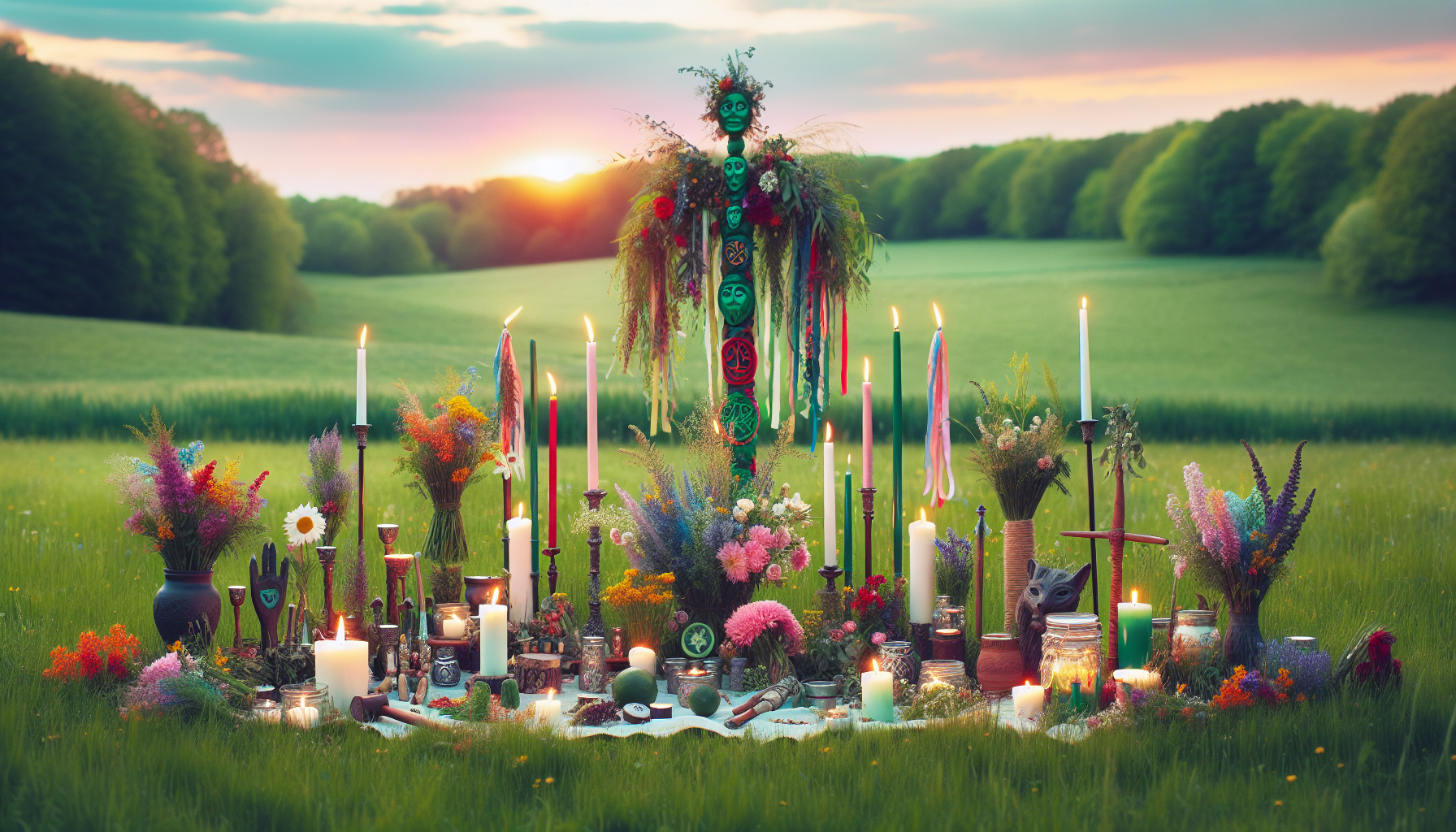
As we explore the pagan origins of Easter, it becomes evident that the themes of fertility and rebirth play a significant role in various ancient festivals. These pagan celebrations, deeply intertwined with nature-based traditions, honor the cyclical nature of life and the changing seasons.
One such festival is Beltane, celebrated by the Celtic people. It marks the beginning of summer and represents the peak of fertility in the natural world. During Beltane, communities would gather to light bonfires, perform intricate rituals, and participate in lively dances to ensure bountiful crops and healthy livestock.
The ancient Roman festival of Floralia also paid homage to fertility and rebirth. Dedicated to the goddess Flora, this vibrant celebration involved offerings of colorful flowers, processions, and theatrical performances. It was a joyful occasion that embraced the rejuvenation of the Earth after the long winter months.
In Norse mythology, the festival of Ostara heralded the arrival of spring, symbolizing the triumph of light over darkness. During this festival, people would conduct rituals in honor of Eostre, the goddess of dawn and fertility. It was a time of great anticipation, as the days grew longer, and the Earth came alive with new growth and vitality.
"These ancient pagan festivals serve as a reminder of our connection to the cycles of nature and the importance of honoring the seasons. They celebrate the eternal cycle of life, death, and rebirth, highlighting the inherent beauty and resilience of the natural world."
These pagan festivals of fertility and rebirth, with their rich symbolism and ceremonial rituals, continue to resonate with individuals who seek a deeper connection to nature. Many modern pagans and nature-based spiritual communities draw inspiration from these ancient traditions and incorporate them into their own seasonal celebrations.
By embracing the pagan roots of Easter and honoring these ancient festivals, individuals can tap into a sense of wonder and reverence for the natural world. These celebrations offer an opportunity to pause, reflect, and express gratitude for the cycles of life and the enduring power of renewal.
Discover the 4 simple steps to amplify your intuition and manifest your desires effortlessly. Are you ready to tap into your innate intuitive abilities and create the life you've always envisioned?
Wiccan Festivals and the Spring Equinox
Wiccans hold a deep reverence for the cycles of nature and the turning of the seasons. The Spring Equinox, also known as Ostara, is a sacred time for Wiccans, marking the awakening and renewal of the Earth. This is one of the eight Sabbats celebrated by Wiccans throughout the Wiccan Wheel of the Year.
During the Spring Equinox, Wiccans honor the balance of light and dark as the days become longer and the powers of light gain dominance over the darkness. It is a time of fertility and growth, symbolizing new beginnings and the blossoming of life.
"As the Earth awakens from its slumber, Wiccans connect with the energy of rebirth and transformation," says High Priestess Raven Moonchild. "We celebrate the return of the Goddess in her maiden form and the God as the young and vibrant Sun. It is a time of joy, hope, and the awakening of new possibilities."
The Significance of Sabbats and Esbats
Within the Wiccan tradition, Sabbats are the eight major festivals that mark the changing of the seasons and celebrate the different aspects of the Goddess and God. Sabbats, such as the Spring Equinox, are community celebrations where Wiccans come together to honor and connect with nature. They typically involve rituals, feasting, and the casting of spells.
Esbats, on the other hand, are monthly rituals held during the Full Moon. These gatherings provide an opportunity for Wiccans to honor the lunar energy and seek guidance, healing, and spiritual growth.
The Spring Equinox Rituals and Practices
During the Spring Equinox, Wiccans engage in a variety of rituals and practices to celebrate the season. This may include creating sacred altars adorned with symbols of fertility and new life, such as flowers, eggs, and seeds. They may perform rituals to honor the Goddess and God, offering gratitude for the blessings of the Earth.
Some common practices among Wiccans during the Spring Equinox include lighting bonfires to represent the returning warmth and light, performing ritual dances to welcome the arrival of spring, and saying prayers or invocations to invoke the powers of nature.
High Priestess Raven Moonchild explains, "We often perform rituals involving the planting of seeds to represent our intentions and desires for the coming months. As we see these seeds grow and flourish throughout the season, we are reminded of the power of manifestation and the cycles of life."
Celebrating Nature's Renewal
For Wiccans, the Spring Equinox is a deeply spiritual time that fosters a strong connection to the Earth and its rhythms. It is an opportunity to honor the cycles of nature, embrace growth and renewal, and celebrate the divine energy that flows through all living things.
By observing the rituals and traditions of the Spring Equinox, Wiccans cultivate a sense of harmony and balance within themselves and with the world around them. Through their celebrations, they not only connect with their spiritual beliefs but also deepen their appreciation for the beauty and wonders of nature.
Nature-Based Celebrations of the Spring Equinox
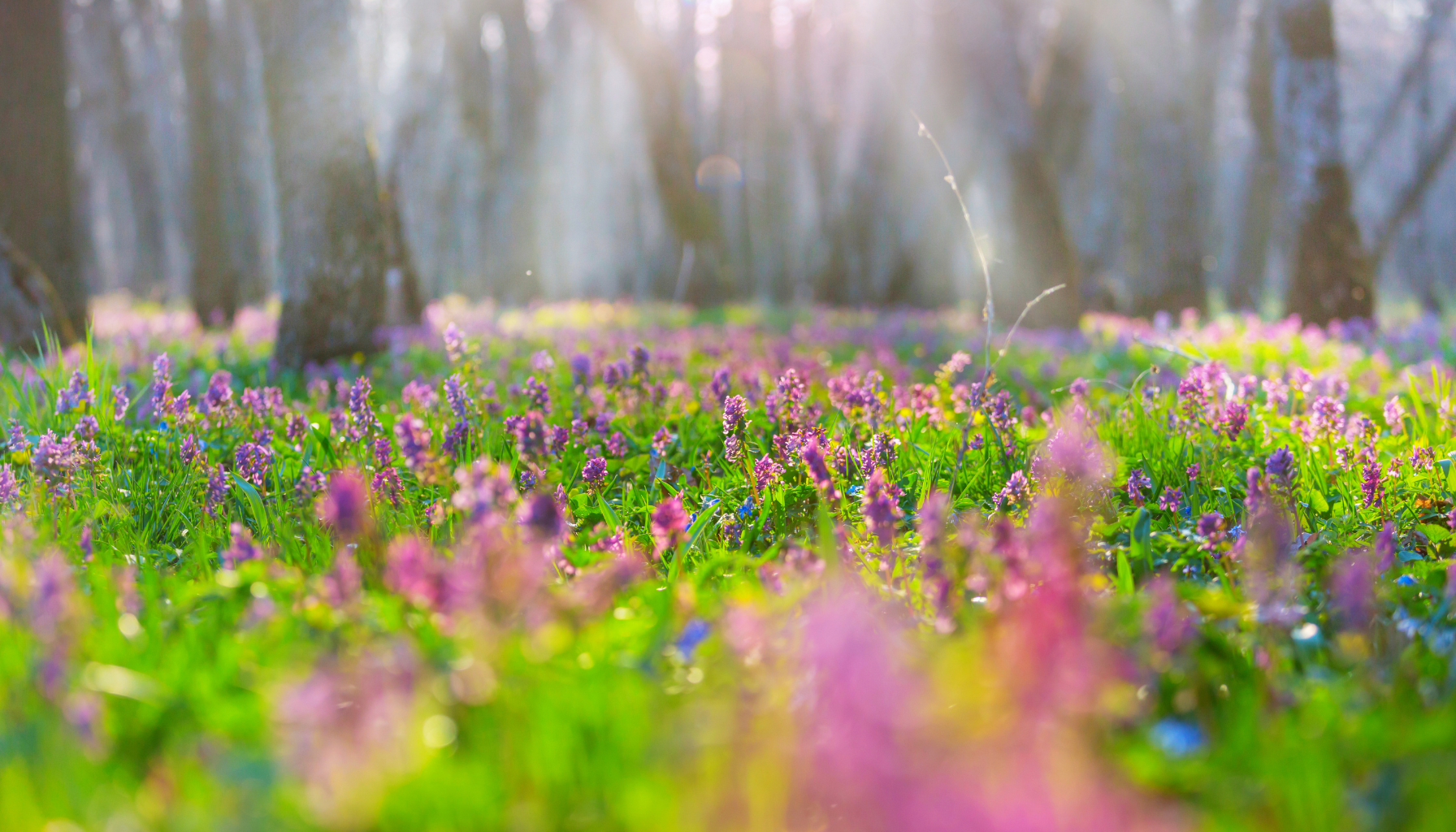
In the realm of pagan festivals and seasonal celebrations, the Spring Equinox holds a special place. It is a time when nature awakens from its winter slumber, and new life begins to bloom. Many cultures around the world embrace this season of renewal and honor its significance through nature-based celebrations and rituals.
During the Spring Equinox, people gather to pay homage to the cycles of the Earth and the interconnectedness of all living beings. These nature-based celebrations invite individuals to reconnect with the natural world, fostering a deep sense of awe and reverence for the Earth's bountiful gifts.
"The Spring Equinox is a time of balance and harmony, where we celebrate the equal length of day and night. It is a moment of profound transformation, both in nature and within ourselves." - Nature-based Celebrant
One popular nature-based celebration during the Spring Equinox is the May Day festival, also known as Beltane. Originating from Celtic traditions, this festival welcomes the arrival of summer and the abundance of life that it brings. People come together to dance around the maypole, symbolizing the intertwining energies of the Earth and the heavens.
Another prominent nature-based celebration is Ostara, which draws inspiration from Germanic paganism. Ostara emphasizes the rebirth and fertility of the Earth, with rituals that honor the returning warmth of the sun and the blossoming of flowers. It is a time of joyful celebration and hope for the upcoming season.
The Importance of Seasonal Festivals
These nature-based celebrations serve as powerful reminders of our connection to the natural world. In a society often disconnected from the rhythms of nature, seasonal festivals provide an opportunity to pause, reflect, and appreciate the wonders of the Earth.
Through these celebrations, individuals deepen their understanding of ecological cycles and gain a heightened appreciation for the environment. They also foster a sense of community, as people come together to honor the Earth and share in the beauty of the changing seasons.
Moreover, nature-based celebrations offer a way to pass down ancient wisdom and traditions from one generation to the next. They preserve our cultural heritage and remind us of the rich tapestry of human history, rooted in our relationship with the natural world.
As we celebrate the Spring Equinox and engage in nature-based rituals, we are reminded of our role as stewards of the Earth. These celebrations inspire us to nurture and protect our planet, ensuring that future generations can continue to experience the beauty and wonder of nature.
Pagan Rituals and Ceremonies for the Spring Equinox
During the Spring Equinox, pagan communities engage in a variety of rituals and ceremonies that honor the changing of the seasons. These rituals serve as a way to connect with nature and celebrate the rebirth and renewal that comes with spring.
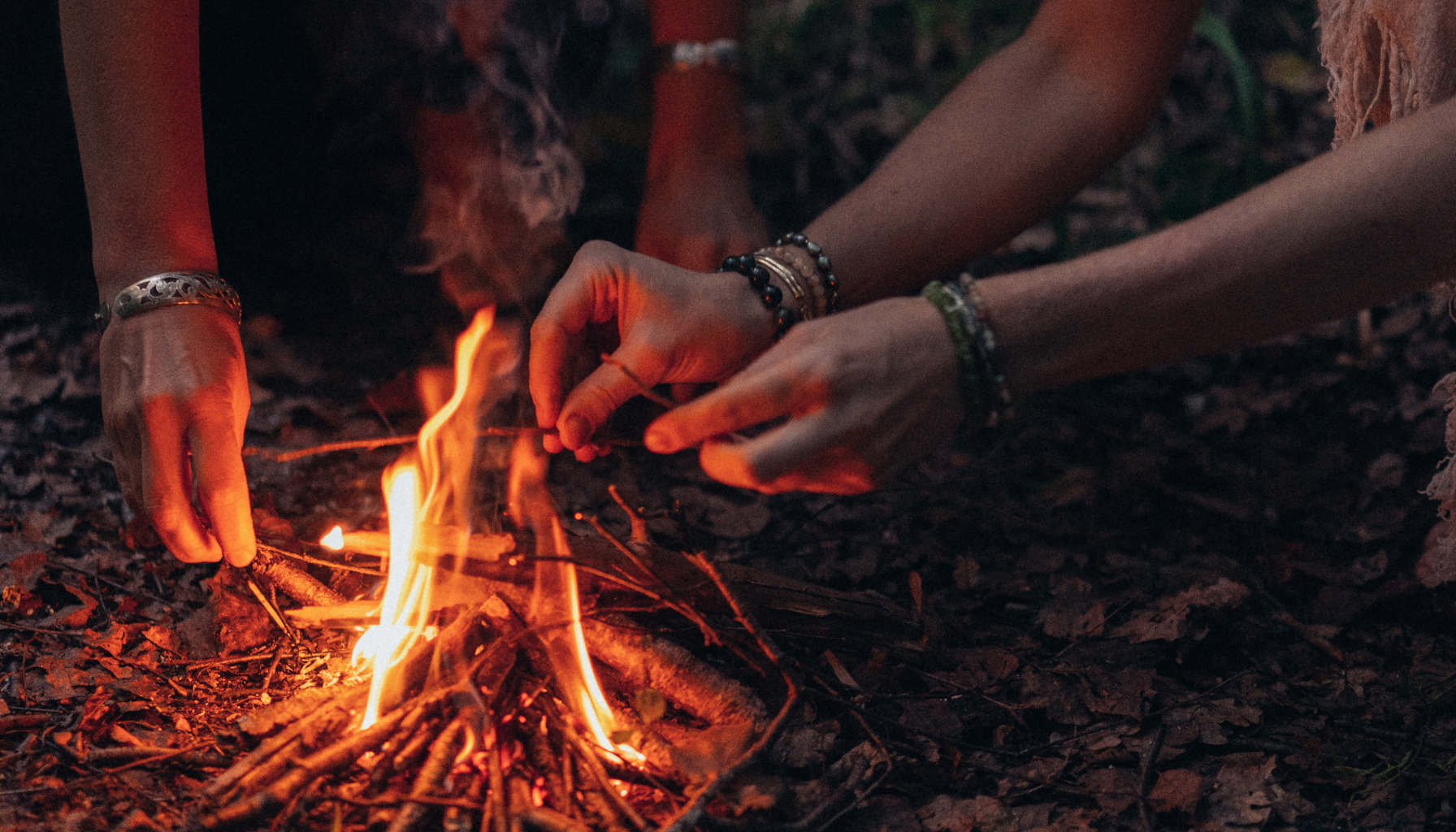
One common pagan ritual during the Spring Equinox is the lighting of bonfires. These fires symbolize the warmth and light returning to the world after the dark winter months. Participants gather around the fire, offering prayers and intentions for the coming season.
Another significant ritual is the planting of seeds. Pagans believe that the energy of the equinox enhances the growth potential of seeds. By planting seeds during this time, they symbolically plant their intentions for personal growth and development.
"The Spring Equinox is a time of balance and harmony," says Sarah Thompson, a pagan priestess. "We perform rituals that honor the Earth and our connection to it. It's a way to express gratitude for the cycles of nature and the gift of life."
In addition to these rituals, many pagans participate in ceremonies that involve dancing and singing, bringing together the community in joyful celebration. These ceremonies often take place outdoors, allowing participants to fully immerse themselves in nature.
By engaging in these pagan rituals and ceremonies, individuals and communities seek to honor the ancient traditions and embrace the natural cycles of the Earth. The Spring Equinox provides a time for reflection, transformation, and the celebration of new beginnings.
Modern Celebrations of the Spring Equinox
In modern times, the pagan celebration of the Spring Equinox continues to resonate with many individuals and communities. People are drawn to the ancient festivals and pagan holidays that honor the renewal and rebirth of nature.
One way in which these traditions are integrated into contemporary lives is through the practice of creating meaningful rituals that connect individuals to the cycles of the Earth. These rituals often involve gathering with loved ones, communing with nature, and expressing gratitude for the changing seasons.
"The Spring Equinox is a time of balance and harmony – a time when light and darkness are equal,"explains Sarah Jones, a pagan practitioner and festival organizer. "During this sacred time, we come together to celebrate the awakening of the Earth and our own personal growth."
This period marks the beginning of spring, and many communities hold festivals that embrace the spirit of ancient traditions. These festivals often feature music, dancing, and colorful rituals. One such festival is the Beltane Fire Festival held in Edinburgh, Scotland. Here, participants come together to honor the season of fertility and celebrate the coming of summer.
Others choose to celebrate the Spring Equinox in a more personal, intimate manner. This may involve engaging in solitary rituals, such as creating an altar adorned with symbols of the season, or spending time in nature to connect with the energy of the Earth.
As the interest in pagan traditions and nature-based celebrations continues to grow, more people are finding meaningful ways to honor the Spring Equinox and incorporate ancient practices into their lives. From attending pagan festivals to observing simple rituals at home, individuals are embracing the wisdom and beauty of these ancient pagan holidays.
The Evolution of Easter: From Paganism to Christianity
In this section, we will explore the fascinating journey of Easter, tracing its roots from ancient pagan traditions to its transformation into a Christian holiday. The rich history of Easter reveals the merging of diverse customs and beliefs, resulting in the celebration we know today.
Ancient pagan festivals held during the spring season played a significant role in shaping the Easter we now commemorate. These pagan traditions, with their deep connection to nature and the cycles of life, set the foundation for the holiday's evolution.
One of the main ancient festivals that influenced Easter was the celebration of the spring equinox. This festival marked the rejuvenation of the natural world after the long winter months and the return of abundance and fertility. It was a time of joyous celebration and gratitude for the Earth's renewal.
"Pagan festivals held during the spring equinox were synonymous with rebirth, renewal, and the triumph of life over death."
As Christianity spread and merged with existing pagan traditions, Easter became a way to accommodate and incorporate those beliefs. The early Christian leaders sought to make Christianity more accessible to those who already celebrated the spring festivals.
Over time, the symbolism of Easter shifted from purely pagan elements to incorporate the central Christian narrative of the resurrection of Jesus Christ. The holiday acquired new meaning as a commemoration of Jesus' triumph over death and the promise of eternal life.
While the Christian aspect now takes center stage in Easter celebrations, remnants of pagan traditions still persist. The inclusion of symbols like eggs, rabbits, and spring flowers reflects the ancient pagan connections to fertility, new beginnings, and growth.
Today, Easter stands as a testament to the fusion of pagan and Christian influences, highlighting the diversity and richness of human history. It serves as a reminder of the enduring power of ancient traditions and the significance of the spring season in various cultures across the world.
Embracing Pagan Influences in Easter Celebrations
As the vibrant colors of spring fill the air, many individuals and communities are embracing the pagan influences in their Easter celebrations. With a deep appreciation for the rich history and traditions of pagan festivals, people are recognizing the significance of ancient rituals and incorporating them into their modern Easter festivities.
Pagan celebration, rooted in nature-based traditions, offers a unique perspective on Easter. By honoring the pagan festivals that once marked the arrival of spring, individuals are able to connect with the cycles of the Earth and celebrate the renewal and rebirth that this season brings.
From decorating eggs, a pagan symbol of fertility and new life, to participating in community gatherings and rituals, individuals are rediscovering the deep-rooted pagan traditions associated with this time of year. By embracing these ancient customs, Easter celebrations become more meaningful and offer a chance to connect with ancient wisdom and ancestral heritage.

HEY, I’M HAZEL…
I've been a practicing witch since 2001. This site began as a vehicle to share my experiences with witchcraft, and has developed into conversations which link the physical practices of witchcraft with spiritual development. My goal is to connect people with their ability to manifest through developing intuition (divine connection) and the confidence to drive that divine force. Through these videos and resources available on my website, I aim to help those looking for clarity and purpose find it, while also incorporating how to integrate magickal tools such as herbs, spells, crystals, and pagan belief systems to create TRUE spiritual magick.




Get Full Access to All Posts and Resources!