
Understanding the Pagan Wheel of the Year
In this article, we will delve into the ancient rhythms of the pagan wheel of the year and explore the significance of the sabbats and seasonal transitions celebrated in pagan traditions. Discover the pagan calendar and the various holidays that mark important moments in the natural cycle, including solstices, equinoxes, and other neopagan festivals.
Key Takeaways:
The pagan wheel of the year is a cyclical calendar that encompasses the sabbats and seasonal celebrations in pagan traditions.
It represents the interconnectedness of the seasons, human experiences, and the natural cycle of life.
The wheel consists of eight sabbats, including Samhain, Yule, Beltane, Litha, Lammas, Ostara, Mabon, and the Spring Equinox.
Pagans honor the solstices and equinoxes as important turning points in the year.
Modern pagan practices, such as Wicca, continue to celebrate the pagan wheel of the year and its rich traditions.
What is the Pagan Wheel of the Year?
The pagan wheel of the year is a sacred calendar that outlines the cycle of nature and the changing seasons celebrated in pagan traditions. Also known as the neopagan holidays or the pagan calendar, it encompasses a series of eight sabbats or festivals that mark significant points in the natural cycle.
The pagan wheel of the year is deeply rooted in the ancient beliefs and practices of various pagan cultures, including Wicca, Druidry, and other neopagan traditions. It reflects the cyclical nature of life, symbolizing birth, growth, death, and rebirth.
At the heart of the pagan wheel of the year are the solstices and equinoxes, which mark the changing seasons and the balance between light and darkness. These celestial events hold profound spiritual and symbolic significance for pagans, representing the eternal cycles of nature and the interconnectedness of all living beings.
The wheel of the year is not only a timekeeping system but also a guide for spiritual practice and reflection. Each sabbat on the wheel is associated with specific themes, rituals, and customs that honor the natural world and the changing energies of the seasons.
In pagan traditions, the wheel of the year is a reminder of the continuous flow of life, the interconnectedness of all things, and the importance of living in harmony with nature.
To better understand the pagan wheel of the year, let's take a closer look at the eight sabbats that form its core:
The Eight Sabbats of the Pagan Wheel of the Year
One of the most significant aspects of the pagan wheel of the year is the celebration of the eight sabbats. These pagan holidays mark important points in the natural cycle and provide an opportunity for practitioners to connect with the changing seasons and the rhythms of nature. Each sabbat holds its own unique significance and is celebrated with specific rituals and traditions.
The sabbats are spread throughout the year, with four major sabbats and four minor sabbats. The major sabbats, also known as the solar festivals, correspond to the solstices and equinoxes, while the minor sabbats, or the agricultural festivals, mark the points between them. Together, these sabbats create a rounded and balanced wheel, reflecting the ever-turning cycle of life.
Here is an overview of the eight sabbats that make up the pagan wheel of the year:
Sabbat
Samhain
Yule
Imbolc
Ostara
Beltane
Litha
Lammas
Mabon
Date
October 31st / November 1st
December 21st
February 1st / 2nd
March 20th / 21st
April 30th / May 1st
June 21st
August 1st / 2nd
September 21st / 22nd
Significance
The pagan New Year and a time to honor ancestors and embrace the cycle of life and death.
Celebrating thewinter solstice and the rebirth of the sun.
Welcoming the first signs of spring and honoring the goddess Brigid.
Welcoming the spring equinox and celebrating the balance between light and darkness.
Embracing the coming of summer and fertility of the land.
Celebrating the summer solstice and the peak of the sun's power.
Honoring the first harvest of the year and expressing gratitude for abundance.
Marking the autumn equinox and the arrival of the harvest season.
Each sabbat offers a unique opportunity for pagans to connect with nature, honor their spiritual beliefs, and celebrate the eternal cycle of life. From the solemnity of Samhain to the joyful festivities of Yule, each sabbat holds its own energy and symbolism, inviting practitioners to engage in meaningful rituals and celebrate the interconnectedness of all living beings.
Celebrating the Winter Solstice
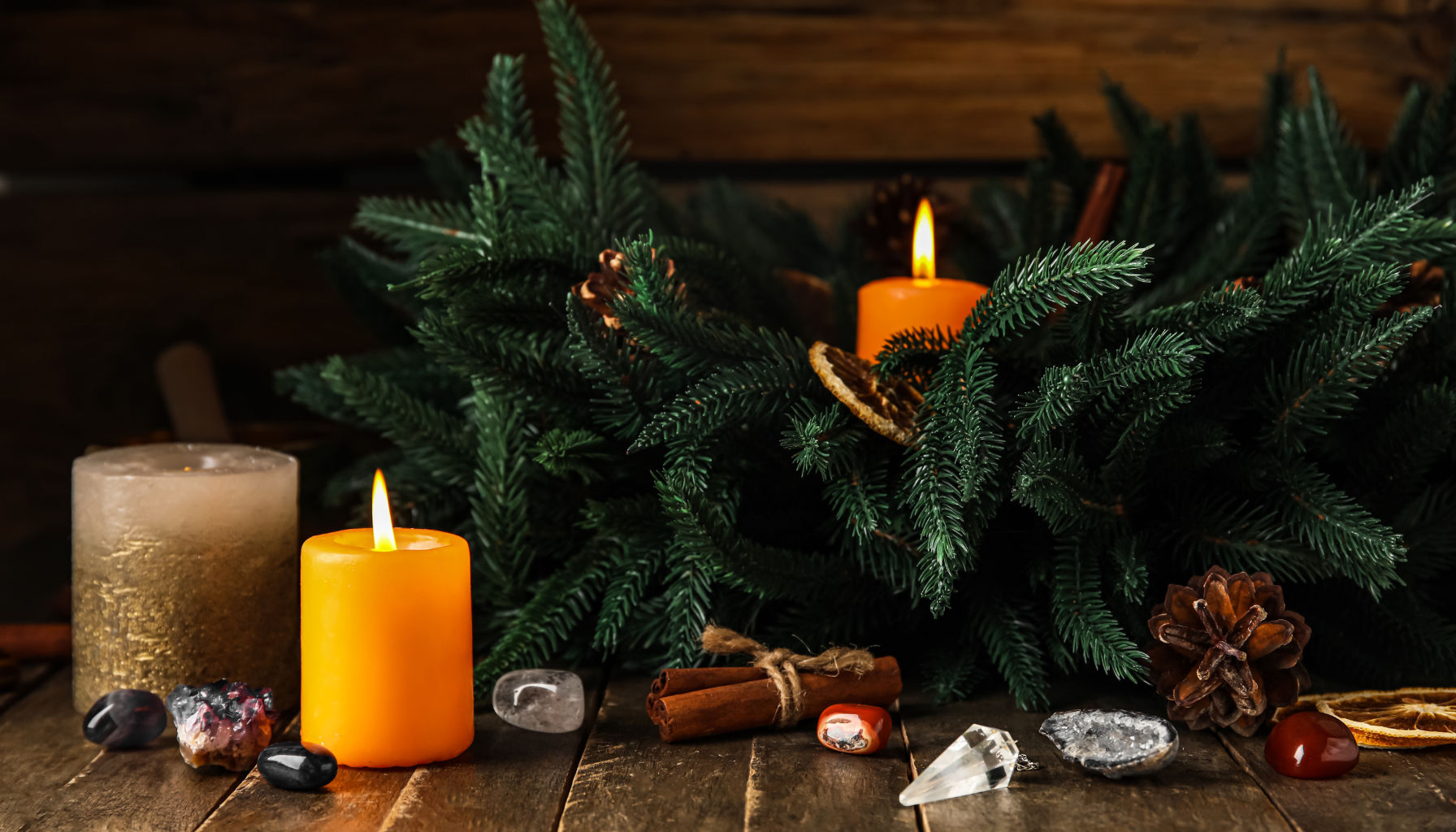
The winter solstice, also known as Yule, is a sacred time in the pagan wheel of the year. As the shortest day and longest night of the year, the winter solstice holds deep spiritual significance for many pagan traditions. It marks the turning point of the year, when the sun begins its journey back towards warmth and light.
During this time, pagans celebrate the rebirth of the sun and the return of longer days. The winter solstice is a time of reflection, introspection, and renewal. It is a time to honor the cycles of nature and embrace the darkness as a necessary part of the wheel of life.
"The winter solstice is a time when we can reconnect with the rhythms of the Earth and celebrate the magic of the changing seasons." - High Priestess Luna Moonshadow
Rituals and customs associated with the winter solstice vary among pagan traditions, but common practices include lighting candles, burning Yule logs, and performing rituals to welcome the returning light. Many pagans gather in community to celebrate the solstice through feasts, storytelling, and magical ceremonies.
The symbolism of the winter solstice is rich and layered. It represents hope, transformation, and the promise of new beginnings. It reminds us that even in the darkest of times, there is always the potential for light to return.
The Symbolism of the Winter Solstice
The winter solstice holds various symbolic meanings in pagan traditions:
Symbol
Sun
Darkness
Evergreen Trees
Holly and Ivy
Mistletoe
Meaning
Rebirth, renewal, and the return of light
Embracing the shadow self, inner reflection, and transformation
Perseverance, life force, and the enduring spirit
Protection, abundance, and the continuation of life
Peace, fertility, and the power of love
By celebrating the winter solstice, pagans reconnect with the natural cycles of the Earth and find solace in the knowledge that the wheel of the year continues to turn. It is a time of deep spiritual connection, gratitude, and anticipation for the return of the light.
Welcoming the Spring Equinox
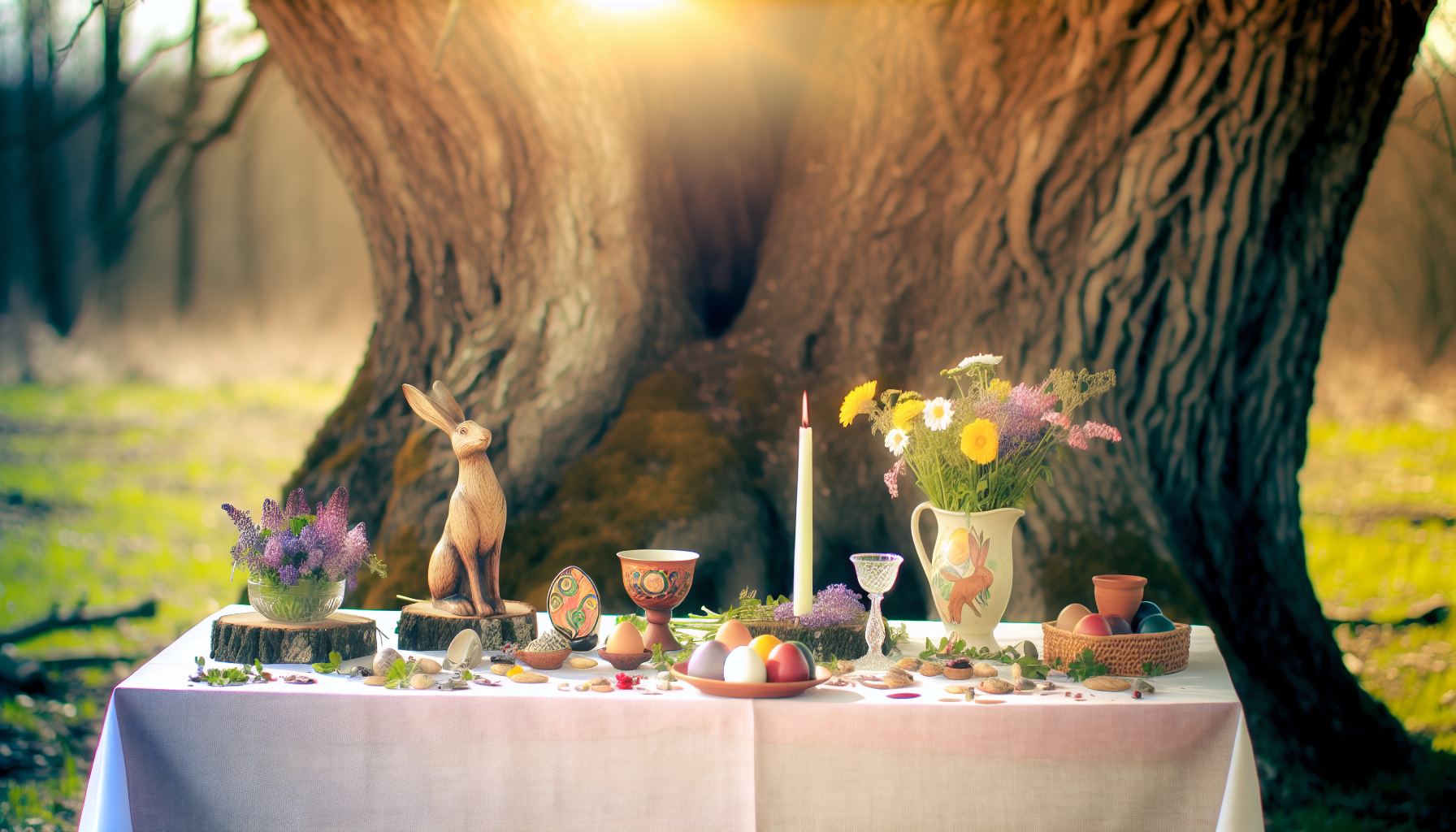
The spring equinox, also known as Ostara, is a significant event in the pagan wheel of the year. This pagan holiday marks the transition from the cold and dark winter months to the vibrant and fertile season of spring. As the days lengthen and the earth awakens, it is a time of renewal, growth, and rebirth.
During the spring equinox, pagans come together to honor the balance between light and darkness and celebrate the return of life to the earth. Rituals and customs associated with Ostara often include lighting bonfires, performing meditative ceremonies, and creating altars adorned with symbols of fertility and new beginnings.
One of the key aspects of the spring equinox is the celebration of the goddess Ostara, who represents the fertility of the land and the arrival of spring. Traditionally, this holiday is associated with eggs, which symbolize new life and the potential for growth. Many pagans incorporate egg decorating and egg hunts into their Ostara celebrations.
The Symbolism of Ostara
The symbolism associated with Ostara is rich and meaningful, reflecting the themes of growth, rebirth, and the vibrant energy of spring. Some common symbols include:
Eggs: Representing new life and the potential for growth.
Bunnies and hares: Symbolizing fertility and abundance.
Flowers: Signifying the beauty and blossoming of nature.
Seeds: Reflecting the seeds of potential that are planted during this fertile time.
Ostara Rituals and Traditions
During Ostara, pagans engage in various rituals and traditions that honor the arrival of spring and embrace the energy of renewal. Some common practices include:
Lighting bonfires: To symbolize the return of warmth and light.
Creating flower wreaths: As a representation of the beauty and vitality of nature.
Planting seeds or bulbs: To symbolize the growth and new beginnings of the season.
Meditating outdoors: To connect with the rejuvenating energy of the earth.
By participating in these rituals and traditions, pagans connect with the natural cycles of the earth and celebrate the turning of the wheel of the year. They honor the interconnectedness of all living beings and the profound wisdom found in embracing the changing seasons.
Symbol
Eggs
Bunnies and hares
Flowers
Seeds
Meaning
New life, potential for growth
Fertility, abundance
Beauty, blossoming of nature
Potential, new beginnings
Celebrating Ostara allows pagans to embrace the vibrant energy of spring and honor the cycles of life. It is a time to rejoice in the return of light and growth, to connect with nature's rhythms, and to celebrate the beauty and abundance of the earth.
Embracing the Magic of Beltane
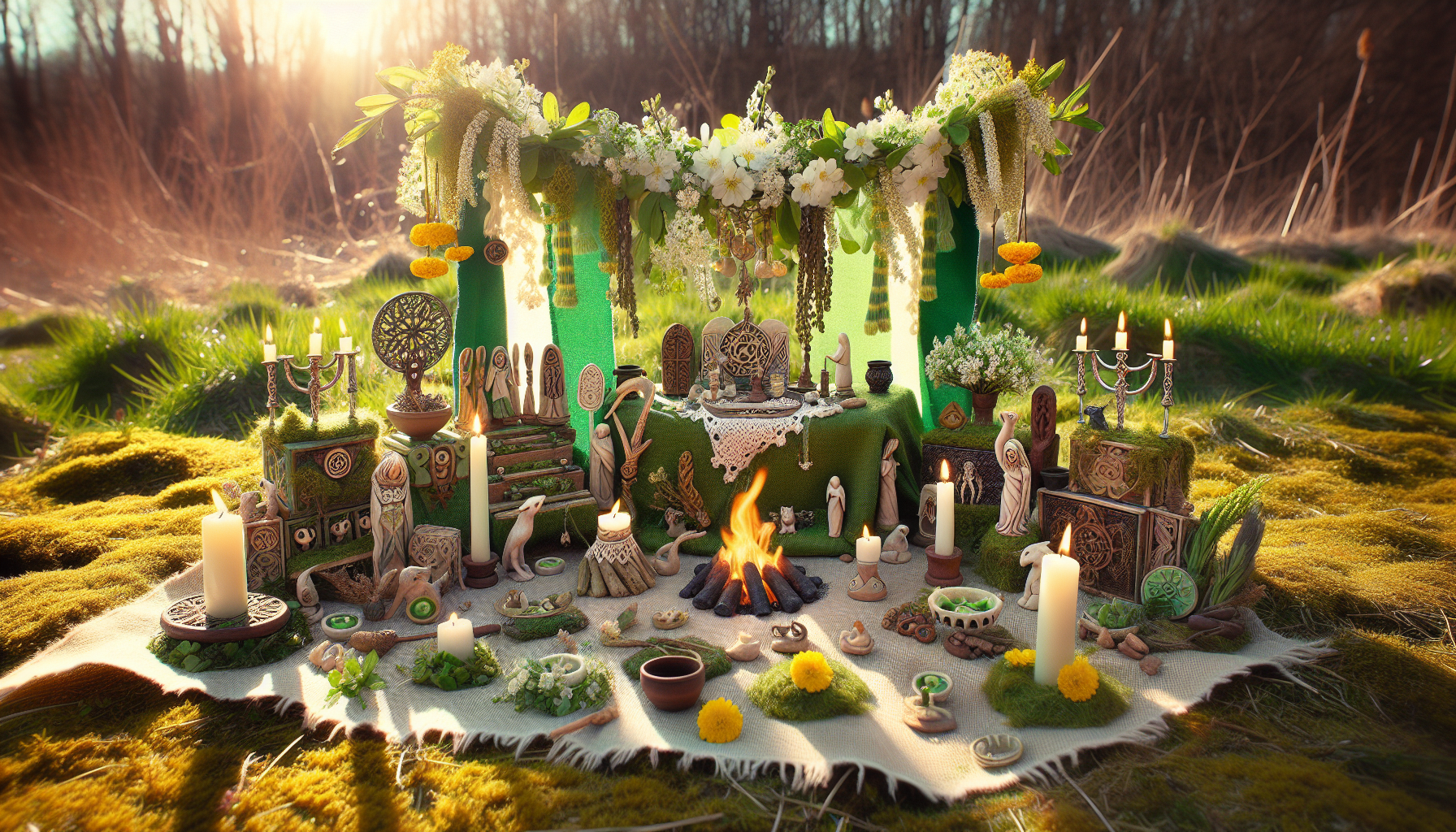
Dive into the joyous celebration of Beltane, a sabbat that marks the coming of summer and the awakening of life. As one of the eight sacred sabbats in the pagan wheel of the year, Beltane holds a special place in the hearts of pagans worldwide.
Derived from the Gaelic word meaning "bright fire," Beltane is a time of fertility, growth, and passion. It falls on May 1st in the Northern Hemisphere, opposite Samhain on the wheel, symbolizing the balance of light and dark. This fiery festival honors the union between the God and Goddess, representing the sacred cycle of creation and the abundance of nature.
During Beltane, the world bursts with vibrant energy, and pagans engage in various rituals and traditions to honor this potent time. One of the most iconic rituals is the Maypole dance, where participants weave ribbons around a tall pole, representing the intertwining of masculine and feminine energies.
"Beltane is a time of celebration and sensual delight," says Erica Johnson, high priestess of the Coven of the Silver Moon. "It's a time to reconnect with the earth and embrace the sensuality and vitality of life. We light bonfires, dance, and perform rituals to honor the fertile energy that surrounds us."
Fire plays a central role in Beltane celebrations, symbolizing purification, transformation, and the return of the sun's strength. People leap over bonfires to cleanse themselves and bring good fortune for the coming months. The ashes from the sacred fires are believed to have protective properties and are spread on fields and gardens to ensure bountiful harvests.
Another essential aspect of Beltane is the exchange of flowers and the crowning of May Queens and Kings. These floral offerings represent the beauty and abundance of the natural world. Flowers are woven into garlands and placed on doorways, altars, and Maypoles, enhancing the atmosphere of joy and celebration.
Many pagans also create sacred spaces during Beltane, adorned with colorful ribbons, fresh flowers, and symbols of fertility. These altars are focal points for offerings, prayers, and spells, amplifying the intentions and energy of the season.
"Beltane resonates with the primal energies of life, love, and creation," explains Michael Smith, pagan author and historian. "It's a time to honor our connection with the earth and acknowledge the cycles of birth, growth, and renewal. Through rituals and festivities, we connect with our ancestral roots and tap into the raw power of nature."
Beltane is a time of spiritual and personal growth, an opportunity to reconnect with the natural world and embrace the magic of life's unfolding. By honoring the ancient traditions of this sabbat, pagans celebrate the cycles of the pagan wheel of the year, finding meaning and connection in the ever-turning wheel of existence.
Honoring the Summer Solstice
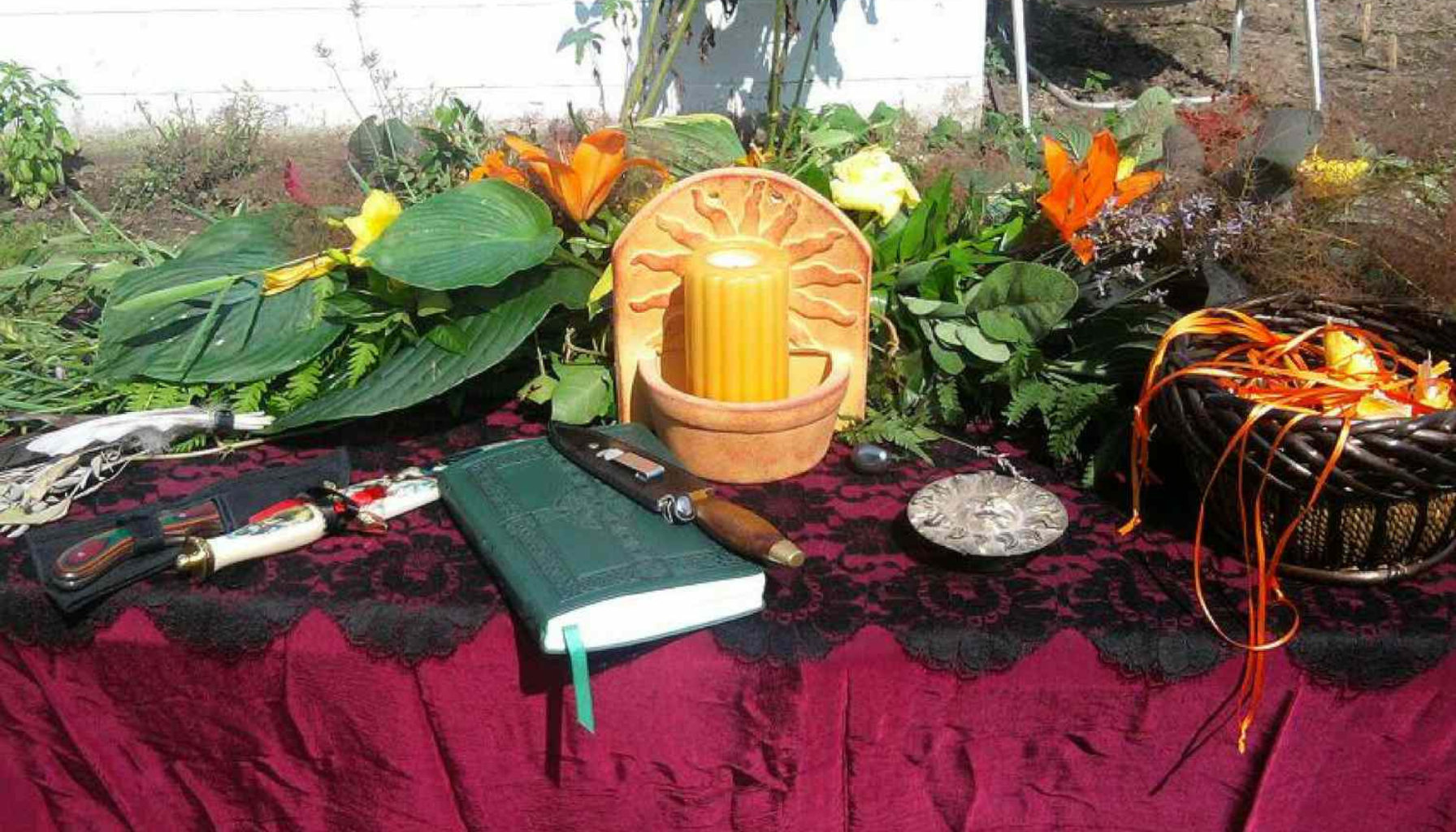
As the sun reaches its highest point in the sky, pagans around the world celebrate the summer solstice, also known as Litha. This significant event in the pagan wheel of the year marks the peak of the sun's power and the abundance of nature.
During the summer solstice, pagans engage in various rituals and customs to honor the energy and vitality that surrounds them. Bonfires are often lit to represent the power of the sun and to bring purification and protection. Pagan communities come together to dance, sing, and make offerings to the gods and goddesses associated with the summer season.
The summer solstice is a time of joy and celebration as pagans connect with the vibrant energy of nature and embrace the warmth and light that fills the world. It is a time to give thanks for the bountiful harvests that will soon grace the land and to express gratitude for the blessings of life.
"The summer solstice is a time of celebration, of honoring the sun's power and the abundance of nature. It is a time to come together, to dance, sing, and make offerings to the gods and goddesses that bless us with their presence during this season of vitality and growth." - Priestess Serena Moon
One of the central symbols associated with the summer solstice is the sunflower. Its vibrant yellow petals and towering height represent the sun's strength and its ability to nourish and sustain life. This flower is often used in rituals and ceremonies during Litha to honor the sun and its life-giving energy.
Litha Correspondences
Element
Colors
Goddesses
Gods
Herbs
Crystals
Symbols
Fire
Gold, red, yellow, orange
Aphrodite, Freya, Hathor
Apollo, Ra, Lugh
St. John's Wort, chamomile, lavender
Carnelian, sunstone, citrine
Sunflower, sun, bonfire
As the summer solstice approaches, pagans eagerly anticipate the warmth and abundance that comes with this seasonal transition. Through ritual and celebration, they embrace the power of the sun and honor the cycle of life and the pagan wheel of the year.
Celebrating the Harvest at Lammas
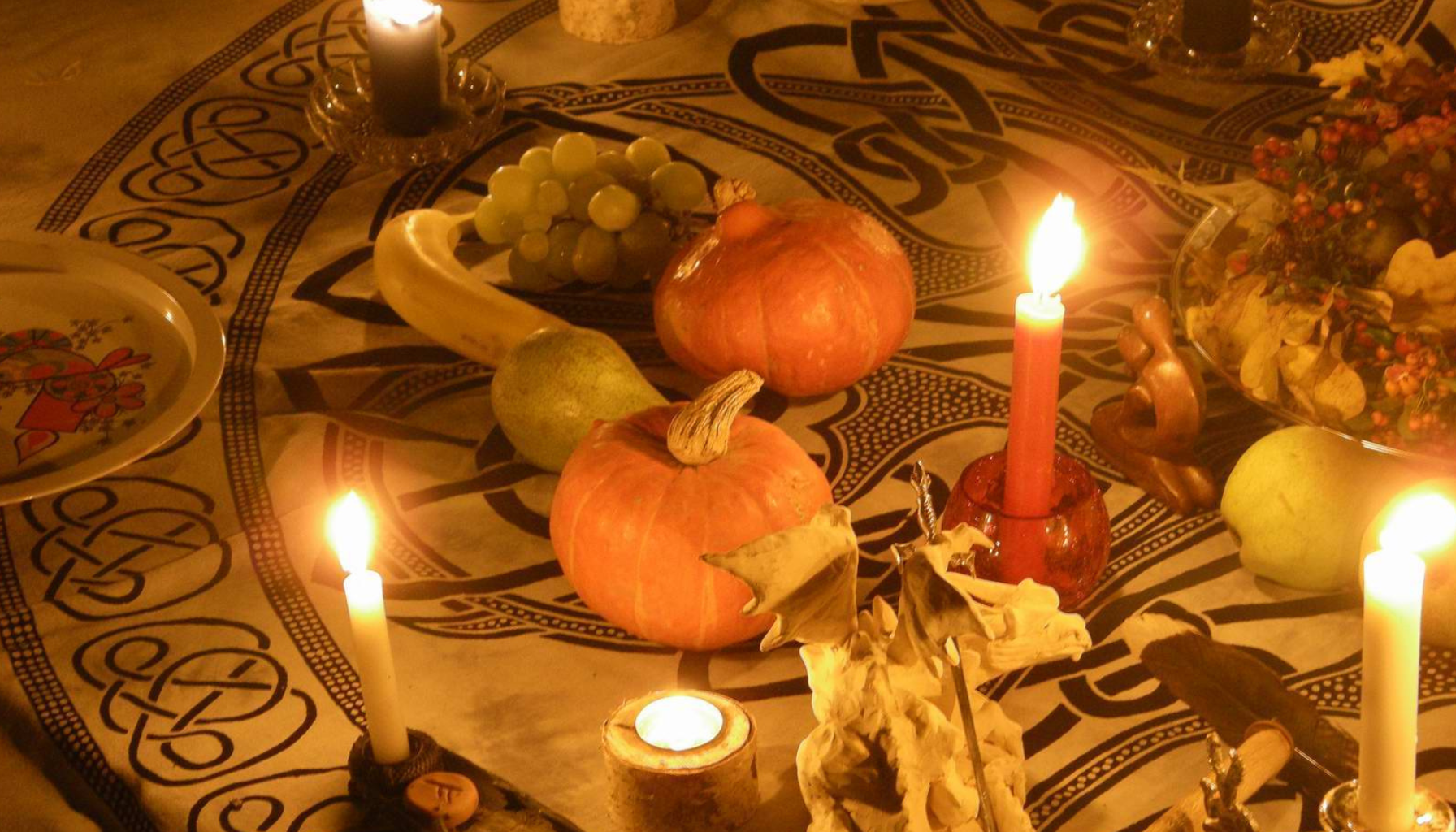
As the wheel of the year turns, Lammas represents an important moment in the pagan calendar. This sabbat, also known as Lughnasadh, marks the first harvest of the year and is a time of gratitude and abundance. Pagan communities gather to honor the bountiful gifts of the earth and celebrate the cycle of life and growth.
Rituals and traditions associated with Lammas vary among different pagan traditions, but common themes include offerings of gratitude, feasting, and the making of corn dollies. In some traditions, corn and other grains are prominently featured, symbolizing the sustenance provided by the earth and the cycle of life and death.
"Lammas is a time of reflection and thanksgiving for the fruits of the earth. It is a time to honor the hard work and dedication that goes into cultivating the land and reaping its rewards. We gather together, offering our thanks and sharing in the abundance that nature provides." - Priestess Willow Green
During Lammas, many pagans also participate in communal activities that highlight the importance of community and cooperation. These may include harvest festivals, markets, and community meals, fostering a sense of unity and appreciation for the interconnectedness of all beings.
While Lammas primarily marks the beginning of the harvest season, it also serves as a reminder of the approaching autumn and the need to prepare for the waning of the sun's warmth and light. As pagans give thanks for the bountiful harvest, they also recognize the need to store provisions for the colder months ahead.
Lammas Symbols and Correspondences
Symbol
Grains and Corn
Wheat Sheaves
Corn Dollies
Red and Gold Colors
Apples
Sunflowers
Correspondence
Abundance, fertility, sustenance
Harvest, prosperity
Protection, harvest blessings
Warmth, harvest, autumn
Fruitfulness, goddess energy
Vitality, strength, gratitude
Lammas is a reminder of our connection to the natural world and the cycles of life. It encourages us to embrace the current season while also preparing for the changes to come. By honoring the harvest and expressing gratitude for the earth's abundance, pagans pay homage to the divine presence in all living things.
Embracing the Autumn Equinox
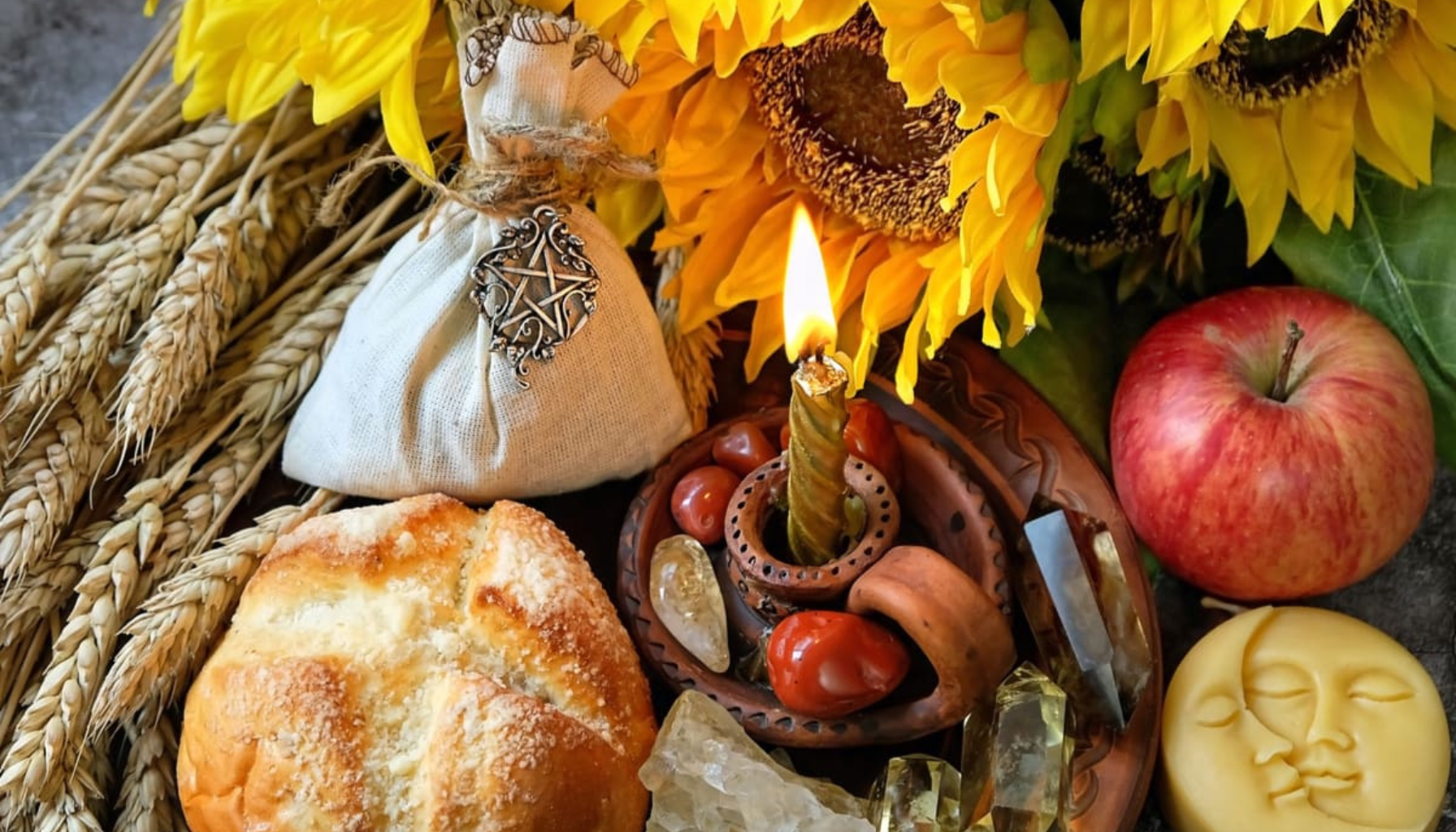
As the wheel of the year turns, the autumn equinox marks a significant transition in pagan traditions. Also known as Mabon, this festival celebrates the balance between light and darkness as the days begin to shorten and the nights grow longer.
During this time, pagans honor the bountiful harvest and express gratitude for the abundance of the earth. It is a time to reflect on the cycle of life and death, and to embrace the wisdom of nature's seasonal changes.
Rituals and customs associated with the autumn equinox vary among pagan traditions, but they often include activities such as:
Creating altars adorned with symbols of the harvest
Feasting on seasonal foods and drinks
Performing rituals to honor the changing seasons
Offering thanks to the earth and nature spirits
In addition to these practices, many pagans also engage in introspection and personal reflection during the autumn equinox. It is a time to find balance within ourselves, acknowledging both our light and dark aspects as we navigate the shifting energies of the season.
Embracing the autumn equinox allows us to connect with the natural world and attune ourselves to its rhythms. It reminds us of our place within the larger cycles of life and encourages us to live in harmony with the seasons.
Celebrating the Samhain: The Pagan New Year
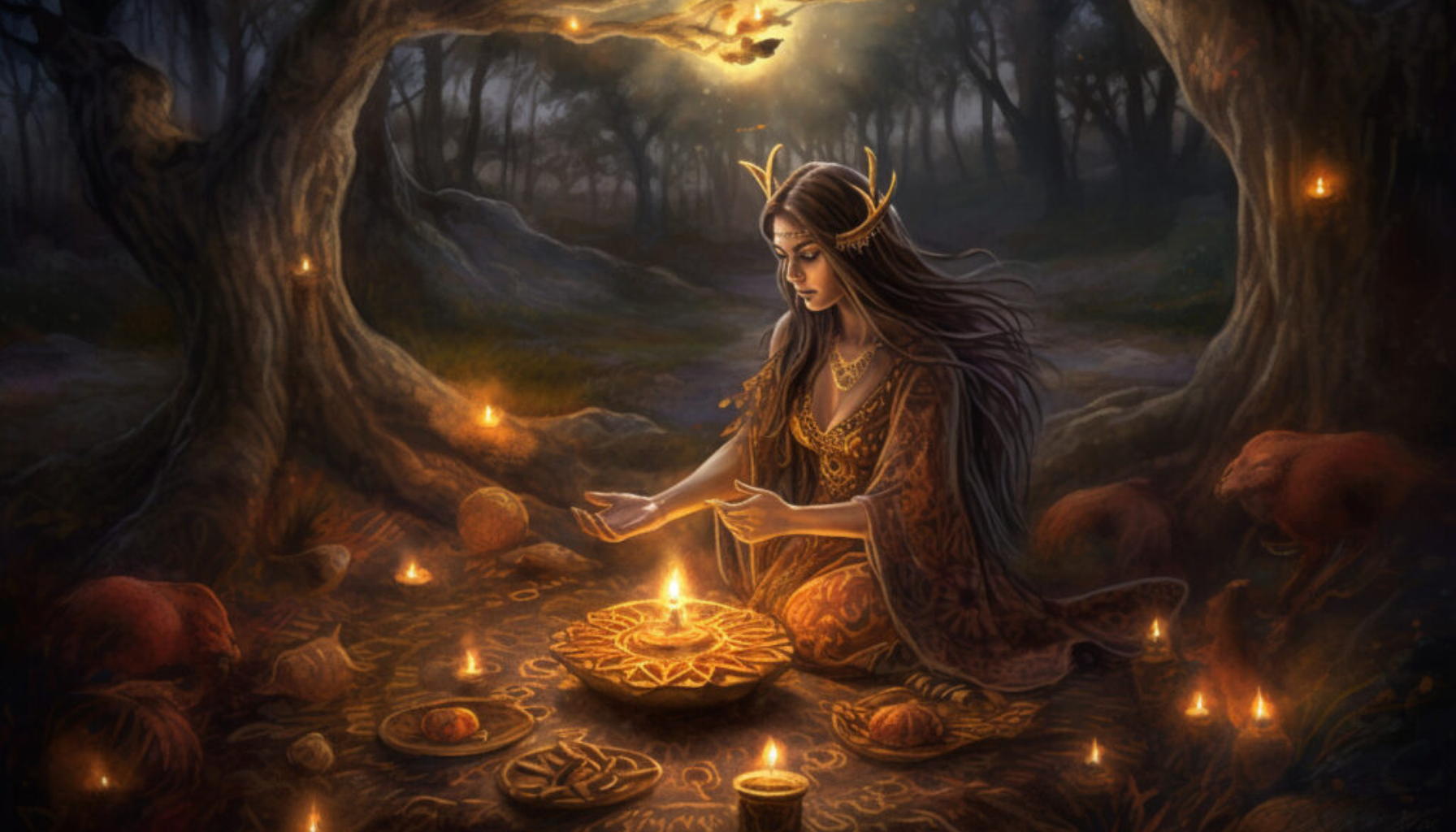
Samhain, a sabbat that marks the pagan New Year, is a time of profound significance in the pagan wheel of the year. This sacred celebration holds deep-rooted traditions and rituals, allowing practitioners to honor their ancestors and embrace the cycle of life and death.
During Samhain, the veil between the physical and spiritual realms is believed to be at its thinnest. It is a time when the spirits of the departed are said to walk among the living, and connections with the otherworldly are strengthened.
One of the key elements of Samhain is the practice of ancestral veneration. Pagans create altars adorned with photographs, mementos, and offerings for their ancestors. This act serves as a way to honor and remember those who have come before. It is also common for pagans to hold a feast in honor of their ancestors, sharing stories and memories while enjoying a bountiful meal.
Another important aspect of Samhain is the contemplation of mortality and the recognition of the cycle of life and death. It is a time for introspection, reflection, and embracing the impermanence of existence. Many pagans use this moment to let go of what no longer serves them, setting intentions for personal growth and transformation in the coming year.
The symbolism associated with Samhain is rich and diverse. Pumpkins and gourds are carved into intricate designs to create jack-o'-lanterns, representing the protection of the home and warding off malevolent spirits. Fire is also a prominent element, symbolizing purification and the guiding light for the spirits to find their way home.
"Samhain is a time of remembrance, where we honor those who have paved the path before us, allowing us to see our own journeys more clearly," says High Priestess, Emma Thompson.
Samhain Ritual Ideas
If you are a pagan seeking to celebrate Samhain, here are some ritual ideas to deepen your connection to this sacred time:
Ritual
Divination
Ancestor Altar
Nighttime Walk
Feast of Remembrance
Fire Ritual
Description
Engage in divination practices, such as tarot readings, scrying, or rune casting, to gain insight and guidance for the coming year.
Create a sacred space with photographs, candles, and offerings to honor your ancestors. Spend time connecting with their energy and sharing stories from their lives.
Take a quiet walk under the moonlit sky to feel the presence of the spirits and connect with the magic of Samhain.
Host a dinner gathering where you and your loved ones share a meal, share memories of ancestors, and express gratitude for the connections that have shaped your life.
Light a bonfire or a candle, focusing on releasing negative energies and inviting transformative energy into your life.
By engaging in these rituals and embracing the symbolism of Samhain, pagans can honor the past, connect with the spiritual realm, and ready themselves for the new beginnings of the pagan New Year.
The Wheel of the Year in Modern Paganism
Modern paganism, including Wicca and other neopagan traditions, continues to celebrate and honor the sacred cycle of the pagan wheel of the year. These ancient traditions have evolved and adapted to resonate with people in the present day, offering a deeper connection to the natural world and a sense of spiritual fulfillment.
One of the key elements of modern pagan practices is the observance of pagan holidays throughout the year. These holidays, also known as sabbats, mark important points in the seasonal cycle and honor the interconnectedness of nature and human experience. By aligning their lives with the rhythm of the earth, modern pagans deepen their connection to the divine and find solace in the ebb and flow of the natural world.
Wiccans, in particular, follow the Wiccan wheel of the year, which is a variation of the traditional pagan calendar. It consists of eight sabbats, each representing a unique aspect of the seasonal cycle. These sabbats include Samhain, Yule, Imbolc, Ostara, Beltane, Litha, Lammas, and Mabon.
Discover the 4 simple steps to amplify your intuition and manifest your desires effortlessly. Are you ready to tap into your innate intuitive abilities and create the life you've always envisioned?
Pagan Holidays in Wicca
These pagan holidays are celebrated with rituals, ceremonies, feasts, and gatherings, creating a sense of community and shared spirituality among modern pagans. They provide an opportunity for self-reflection, connection with nature, and reverence for the cyclical nature of life.
The wheel of the year serves as a guiding force for modern pagans, reminding them of the ever-changing seasons and the eternal dance of life and death. Through the celebration of these ancient traditions, modern pagans find meaning, purpose, and a profound connection to the divine.
Embracing the Sacred Rhythms of the Pagan Wheel of the Year
As we venture into the enchanting realms of paganism, we find solace and wisdom in the sacred rhythms of the pagan wheel of the year. This ancient calendar guides us through the cycles of nature, reminding us of our deep connection to the Earth and the cosmos.
In pagan traditions, honoring the seasons through seasonal celebrations and sabbats is paramount. From the vibrant energy of Beltane to the introspective introspective Samhain, these pagan holidays offer opportunities for personal growth and spiritual reflection.
By observing the pagan wheel of the year, we align our lives with the natural ebb and flow of the Earth's energy. Whether it's celebrating the turning of the wheel at the solstices and equinoxes or embracing the bountiful harvest at Lammas, each season holds its unique gifts and lessons for us to embrace.
Embracing the sacred rhythms of the pagan wheel of the year allows us to live in harmony with the cycles of life, death, and rebirth. It invites us to deepen our connection to the Earth, celebrate the miracles of nature, and find solace in the eternal cycles that shape our existence. As we honor the seasons and the turning of the wheel, we discover profound meaning and spiritual fulfillment in our journey through the pagan calendar.

HEY, I’M HAZEL…
I've been a practicing witch since 2001. This site began as a vehicle to share my experiences with witchcraft, and has developed into conversations which link the physical practices of witchcraft with spiritual development. My goal is to connect people with their ability to manifest through developing intuition (divine connection) and the confidence to drive that divine force. Through these videos and resources available on my website, I aim to help those looking for clarity and purpose find it, while also incorporating how to integrate magickal tools such as herbs, spells, crystals, and pagan belief systems to create TRUE spiritual magick.



Get Full Access to All Posts and Resources!