What is Witchcraft? Exploring Witchcraft Definition & Meanings
Welcome to your guide on witchcraft! In this article, we will attempt to create a witchcraft definition based on it's most common attributes, as well as delve into its fascinating history. From ancient civilizations to the modern world, witchcraft has evolved and captivated the imaginations of many. Join us as we uncover the origins, practices, and symbols associated with this intriguing craft.
Key Takeaways:
Witchcraft is a complex and diverse belief system that has existed for centuries.
Understanding the history of witchcraft provides insight into its cultural significance.
There are various types of witchcraft practices, each with its own set of beliefs and rituals.
Witchcraft has evolved over time, incorporating new ideas and adapting to societal changes.
Witchcraft symbols hold deep meanings and are used in magical practices.
The History of Witchcraft
Embark on a captivating journey through the rich and enigmatic history of witchcraft. From ancient civilizations to the infamous witch trials of the Middle Ages, the history of witchcraft is steeped in mystery and fascination.
Throughout the ages, witches have played significant roles in shaping the narrative of our past. They have been revered, feared, and demonized, leaving an indelible mark on history. From the wise and respected healers to those accused of dark sorcery, the stories of famous witches throughout history continue to intrigue and captivate us.
"The history of witchcraft is a testament to the enduring power of belief and the complexities of human nature."
Unearth tales of legendary witches such as Joan of Arc, who, in the 15th century, stood trial for her supernatural abilities and political influence. Delve into the tragic story of the Pendle witches, a group of women executed for allegedly practicing witchcraft in England during the stormy days of the 17th century witch hunts.
As we explore the history of witchcraft, we will uncover the lives and legacies of these individuals who stood at the crossroads of superstition, religion, and societal fears. Their stories challenge our understanding of morality, gender roles, and the human capacity for power.
Types of Witchcraft Practices
Witchcraft is a diverse and multifaceted practice, encompassing a wide range of beliefs and rituals. In this section, we will explore some of the most prominent types of witchcraft practices, each with its own unique characteristics and traditions.
Wicca
Wicca is perhaps one of the most well-known forms of witchcraft, gaining popularity in the mid-20th century. It is a modern pagan religious movement that emphasizes harmony with nature and the worship of a goddess and god. Wiccans honor the cycles of the sun and moon and follow the Wiccan Rede, a moral code that promotes "harm none".
Traditional Witchcraft
Traditional witchcraft refers to various forms of witchcraft that are rooted in pre-modern pagan beliefs and practices. It draws upon folk magic, folklore, and ancestral traditions passed down through generations. Traditional witches often work with herbs, crystals, divination, and spellcasting to connect with the spiritual realm and harness natural energies.
Modern Eclectic Witchcraft
Modern eclectic witchcraft is a contemporary form of witchcraft that incorporates elements from various traditions. Eclectic witches personalize their practice, drawing inspiration from Wicca, ceremonial magic, folk magic, and other spiritual paths. They believe in the power of intention and often create their own spells and rituals based on their individual needs and preferences.
These are just a few examples of the diverse types of witchcraft practices that exist today. It's important to note that witchcraft is a deeply personal and individualized practice, with practitioners often blending different traditions and beliefs to create their unique paths. Whether one follows Wicca, traditional witchcraft, or modern eclectic witchcraft, the common thread is the belief in harnessing natural energies and connecting with the spiritual world.
The Evolution of Witchcraft
Throughout history, witchcraft has undergone a remarkable evolution, adapting to societal changes and incorporating new beliefs and practices. From ancient civilizations to the modern witchcraft movement, the practice has constantly transformed, embracing self-discovery and empowerment.
Witchcraft, once feared and persecuted, has evolved into a vibrant and diverse community of individuals seeking spiritual fulfillment and connection to the natural world. Modern witchcraft beliefs emphasize personal growth, intuition, and the power of magic.
"The evolution of magical practices is a testament to the resilience and adaptability of witchcraft," says Stephanie Williams, a renowned witch and author. "As society changed, so did our practices. We embraced new ideas, incorporated different cultural traditions, and expanded our understanding of magic."
The modern witchcraft movement, often referred to as the "witch renaissance," is characterized by an emphasis on individuality and exploring one's unique path. Practitioners draw inspiration from various traditions and combine them to create their own personalized practices.
"Modern witchcraft is all about self-discovery and empowerment," explains Sarah Thompson, a practicing witch. "We believe in harnessing our inner power and using it to manifest our desires, create positive change, and connect with the energies of the universe."
With the rise of the internet and social media, witchcraft has become more accessible than ever before. Online communities provide platforms for sharing knowledge, connecting with like-minded individuals, and learning from experienced practitioners.
As the world continues to evolve, so too will witchcraft. Its ability to adapt and grow ensures its place as a respected spiritual practice, offering guidance, healing, and a sense of belonging to those who seek it.
Unveiling Witchcraft Symbols and Meanings
Witchcraft is a rich and diverse practice that incorporates various symbols with deep meanings. These symbols play an essential role in magical rituals and ceremonies, representing different aspects of the craft and connecting witches to the spiritual realm.
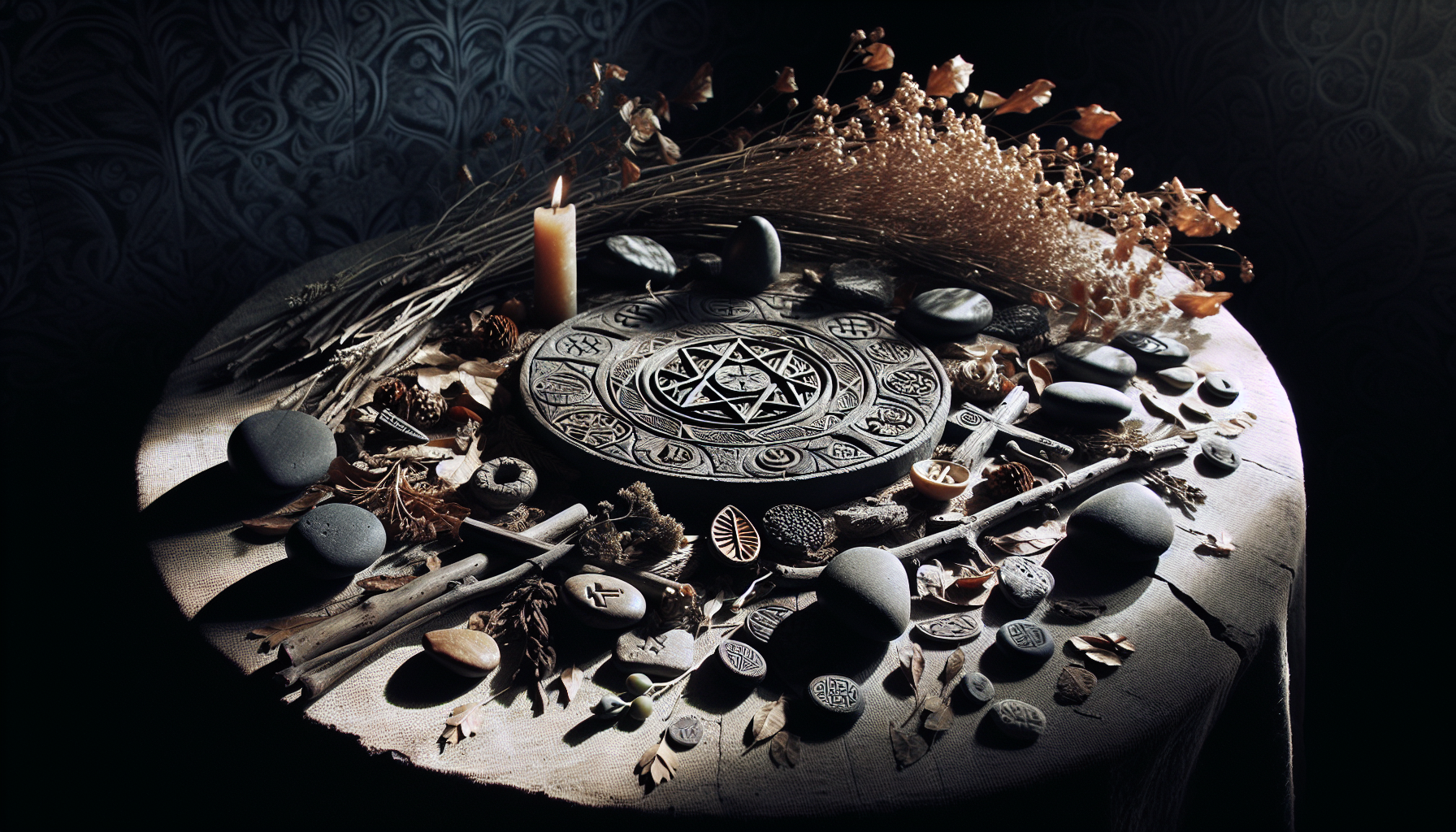
One of the most recognizable symbols in witchcraft is the pentagram. This five-pointed star, often enclosed in a circle, represents the five elements – earth, air, fire, water, and spirit. It symbolizes unity, balance, and the connection between the physical and spiritual worlds.
The cauldron is another powerful symbol in witchcraft. It represents transformation, rebirth, and the womb of the goddess. Often associated with brewing potions and spells, the cauldron symbolizes the mystical process of mixing different elements together to create magical outcomes.
The broomstick is not just a prop from fairy tales; it is also a significant symbol in witchcraft. Traditionally, broomsticks were used in rituals to sweep away negative energy and create a sacred space. The broomstick symbolizes both physical and spiritual cleansing, as well as the ability to travel between realms.
Other common symbols in witchcraft include crystals, herbs, candles, and moon phases. Each of these symbols holds specific meanings and correspondences, aiding witches in their magical practices. Crystals, for example, are believed to possess unique energies that can be harnessed for different purposes, while herbs are associated with healing and protection.
Understanding the various witchcraft symbols and meanings allows practitioners to tap into their hidden power and unlock their full potential. By incorporating these symbols into rituals and spells, witches can amplify their intentions and connect with the spiritual forces that govern the universe.
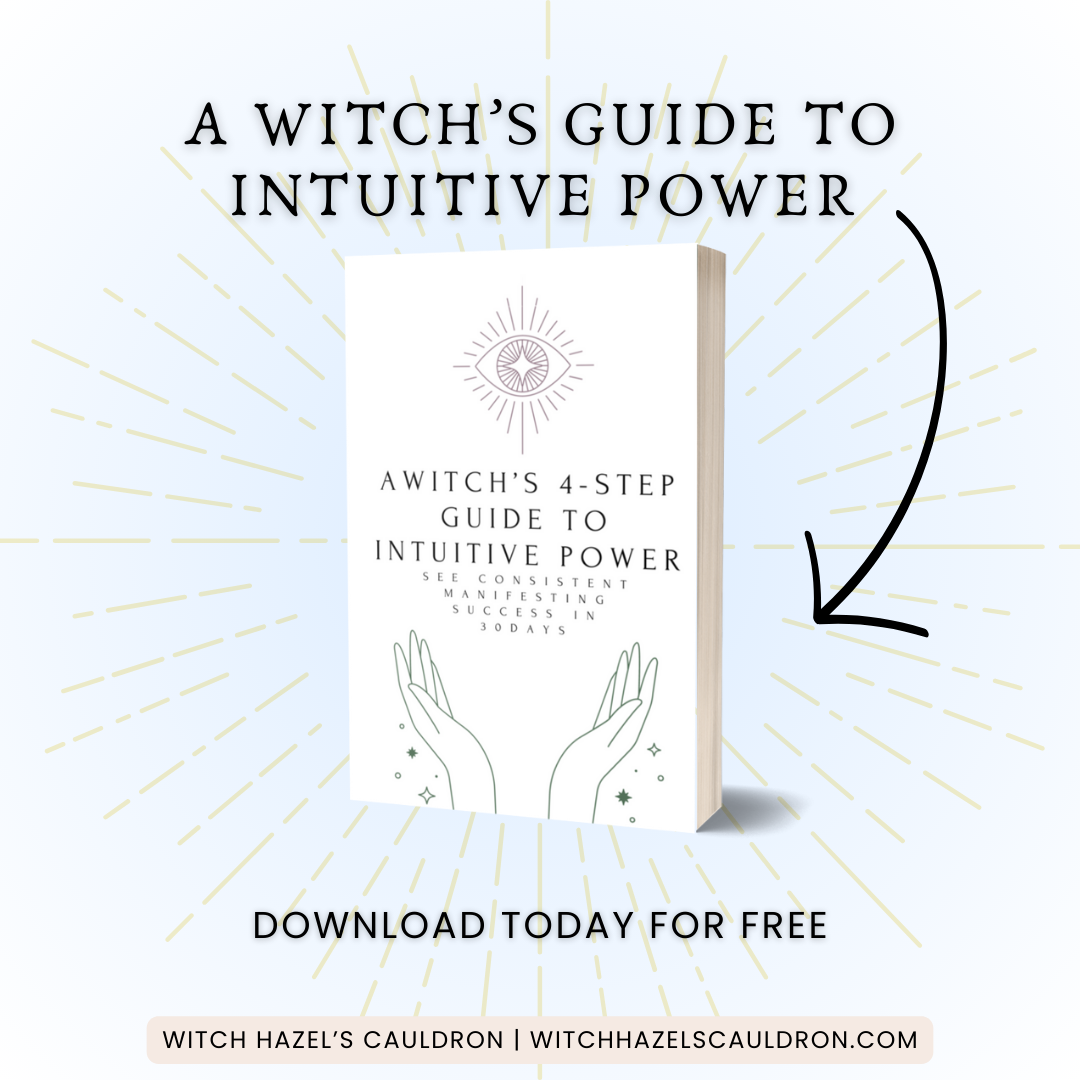
Discover the 4 simple steps to amplify your intuition and manifest your desires effortlessly. Are you ready to tap into your innate intuitive abilities and create the life you've always envisioned?
Debunking Myths About Witchcraft
Witchcraft has long been surrounded by myths and misconceptions that have perpetuated over time. This persistence is what makes debunking myths about witchcraft difficult. It's time to separate fact from fiction and challenge the stereotypes associated with witches and their practices.
One common myth is the belief that witches are inherently evil or practicing dark magic. In reality, witchcraft is a diverse practice with various beliefs and intentions. Just like any other spiritual or religious path, it can be used (and is primarily used) for positive purposes and personal growth.
Another myth is the assumption that witches worship the devil. This misconception stems from historical inaccuracies and fear-based narratives. In truth, witches follow a range of belief systems, and devil worship is not a part of witchcraft practices.
It's also important to debunk the myth that witchcraft is a form of spellcasting solely aimed at causing harm to others. While spellcasting is a common practice within witchcraft, it is not inherently malicious. Many witches focus on healing, protection, and manifestation for positive outcomes.
"The misconception that witches are evil spellcasters has been perpetuated by popular culture and misunderstandings of historical events. It's crucial to separate reality from fiction and recognize the diverse and empowering nature of modern witchcraft." - Sarah Thompson, Witchcraft Practitioner
Furthermore, the idea that all witches are women is a common myth. In reality, witchcraft is open to individuals of all genders. Men, non-binary individuals, and individuals of any gender identity can practice witchcraft and identify as witches.
Lastly, the notion that witches can fly on broomsticks is a well-known myth that has been exaggerated over time. While broomsticks have symbolic importance within witchcraft traditions, they are not actually used for physical flight.
By debunking myths about witchcraft, we aim to dispel fear and misunderstanding surrounding witchcraft, allowing for a more accurate and respectful representation of this ancient practice.
Witchcraft vs. Wicca: Understanding the Differences
When it comes to witchcraft and Wicca, there is often confusion surrounding their meanings and practices. While they may seem similar, it's important to understand the distinctions between these two terms and the beliefs associated with each. Differences between witchcraft and Wicca stem mainly from their slightly different aspects of lifestyle (witchcraft) and religion (Wicca).
Witchcraft is a broad term that encompasses various magical practices and traditions. It is a practice that has been present throughout history and across different cultures. Wicca, on the other hand, is a specific religious movement that falls under the umbrella of witchcraft.
"Witchcraft is like an umbrella term that encompasses various magical practices, and Wicca is one of those practices that falls under that umbrella," explains Sarah Anderson, a renowned witchcraft expert.
One of the key differences between witchcraft and Wicca lies in their core beliefs and traditions. Witchcraft is often seen as a more eclectic and individualistic practice, where practitioners have the freedom to choose their own beliefs and rituals. Wicca, on the other hand, has a set of established beliefs and practices that are followed by its adherents.
In Wicca, there is a structured belief system that revolves around the worship of a goddess and god, and the observance of rituals and holidays," states Amanda Harper, a Wiccan High Priestess.
Another difference between witchcraft and Wicca is their historical background. While witchcraft has a long history that predates the emergence of Wicca, Wicca itself is a relatively new religious movement that emerged in the mid-20th century. Wicca draws inspiration from various ancient pagan beliefs and practices.
"Wicca is a modern pagan religion that was developed by Gerald Gardner in the 1950s. It was inspired by older forms of witchcraft and paganism," adds Harper.
In summary, while witchcraft is a broader term that encompasses various magical practices and traditions, Wicca is a specific religious movement within the witchcraft umbrella. Understanding these differences is crucial in gaining a deeper appreciation for the rich history and diverse practices within the world of witchcraft.
Embracing the Power of Witchcraft Today
In the modern world, witchcraft has gained a significant following, with individuals embracing its beliefs and practices in various forms. From practicing witches who dedicate themselves to the craft, to those who incorporate elements of witchcraft into their everyday lives, the power of witchcraft has made its presence known.
Modern witchcraft beliefs encompass a wide range of practices, each with its own unique approach and rituals. Wicca, the most well-known branch of witchcraft, emphasizes the worship of nature and harnessing its energies. Traditional witchcraft enshrines the wisdom of the past, paying homage to ancient rituals and folklore. Meanwhile, modern eclectic witchcraft combines elements from various traditions to create a personalized practice.
Witchcraft today goes beyond spells and potions. It has evolved into a source of self-care, spirituality, and personal empowerment. Many practitioners find solace and strength in their craft, using rituals and affirmations to foster a deeper connection with themselves and the world around them. Through witchcraft, they tap into their own intuition, healing abilities, and inner power.
As the modern world embraces diversity and individuality, witchcraft continues to find its place. It offers a sense of belonging, a community built on shared beliefs and practices. Whether someone identifies as a witch or simply incorporates certain aspects of witchcraft, the power of the craft is undeniable, empowering each practitioner to embrace their unique path and forge a deeper connection with the mysteries of life.
HEY, I’M HAZEL…
I've been a practicing witch since 2001. This site began as a vehicle to share my experiences with witchcraft, and has developed into conversations which link the physical practices of witchcraft with spiritual development. My goal is to connect people with their ability to manifest through developing intuition (divine connection) and the confidence to drive that divine force. Through these videos and resources available on my website, I aim to help those looking for clarity and purpose find it, while also incorporating how to integrate magickal tools such as herbs, spells, crystals, and pagan belief systems to create TRUE spiritual magick.



Get Full Access to All Posts and Resources!