
Wheel of the Year Explained: Pagan Seasons
The Wheel of the Year is a significant concept in pagan traditions, representing the cyclical nature of life and the changing seasons. It is a spiritual calendar that guides the celebrations and rituals of many nature-based religions, such as Wicca. Understanding the Wheel of the Year allows us to connect with the rhythms of nature and tap into the ancient wisdom and customs associated with each holiday.
In this article, we will explore the profound meaning behind the Wheel of the Year and its relevance to the pagan community. We will delve into the seasonal celebrations, known as Sabbats, and learn about the rituals, traditions, and customs observed during these sacred times. Whether you are new to paganism or curious about this spiritual calendar, this article will provide you with a comprehensive understanding of the Wheel of the Year and its significance in pagan holidays.
Key Takeaways:
The Wheel of the Year is a spiritual calendar that guides the seasonal celebrations of pagan traditions.
The Sabbats are the eight major holidays within the Wheel of the Year, each marking a significant point in the agricultural and astronomical cycles.
Each Sabbat has its own rituals, customs, and historical origins, offering a unique spiritual experience and connection to nature.
The solstices and equinoxes are major celestial events celebrated within the Wheel of the Year, representing the changing of the seasons and the balance of light and darkness.
Exploring the ancient traditions and customs associated with the Wheel of the Year can deepen one's spiritual practice and provide a sense of connection to the past.
The Wheel of the Year: A Nature-Based Spiritual Calendar
The Wheel of the Year is more than just a calendar. It is a sacred tool that reflects the profound connection between nature and spirituality. Rooted in ancient traditions and embraced by modern pagans, this nature-based calendar cycles through the changing seasons, allowing individuals to align their spiritual practices with the natural world.
At its core, the Wheel of the Year demonstrates the cyclical nature of life, death, and rebirth. It encompasses eight major festivals, known as Sabbats, which mark key points in the seasonal cycle. Each Sabbat carries its own unique energy and symbolism, inviting practitioners to honor the divine forces at work in the world around them.
Wiccan calendar cycles form the foundation of the Wheel of the Year, providing structure and rhythm to the spiritual journey. These cycles recognize the solstices and equinoxes, the four celestial points that demarcate the changing seasons. Symbolizing the eternal dance between light and darkness, these astronomical events are celebrated and honored by the pagan community.
"The Wheel of the Year serves as a reminder of the interconnectedness between humans and the natural world. It invites us to observe and honor the rhythms of the Earth, fostering a deep sense of reverence and gratitude for the cycles of life."
Nature-based spirituality lies at the heart of the Wheel of the Year. It encourages individuals to attune themselves to the ebb and flow of the seasons, drawing inspiration from the ever-changing landscape. By observing the cycles of nature, practitioners gain a deeper understanding of their own spiritual evolution and their place within the larger web of life.
Through the Wheel of the Year, pagans celebrate the beauty and bounty of the Earth, acknowledging the interconnectedness of all living beings. From the awakening of spring to the abundance of summer, the harvest of autumn, and the rest and introspection of winter, each season holds its own wisdom and lessons. By embracing the Wheel of the Year, individuals can cultivate a profound sense of connection, harmony, and reverence for the natural world.
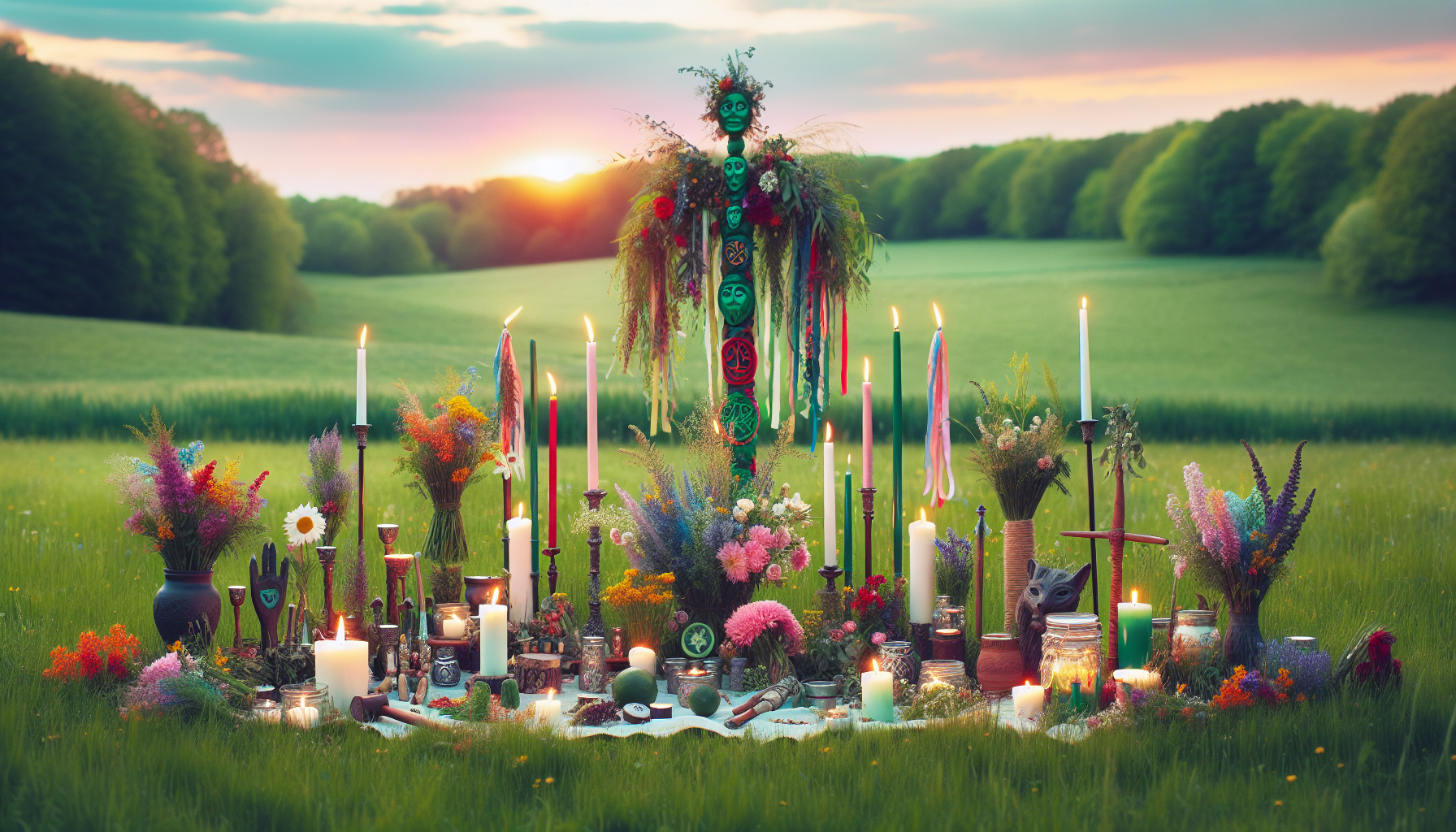
Understanding the Sabbats: Pagan Seasonal Celebrations
Within the Wheel of the Year, there are eight significant and magical seasonal celebrations known as the Sabbats. These pagan holidays mark the changing seasons and offer a profound connection to nature and the cycles of life. Each Sabbat holds its own unique significance, rituals, and customs, creating a rich tapestry of spiritual observances.
1. Samhain (October 31st)
Samhain, also known as Halloween, is a time when the veil between the physical and spiritual realms is believed to be the thinnest. It is a sacred time to honor and connect with ancestors, and the beloved dead. Rituals may include divination, bonfires, and setting up altars to honor departed loved ones.
2. Yule (December 21st)
Yule, the winter solstice, marks the longest night of the year. It is a time of celebrating the return of the sun and the rebirth of light. Rituals often involve lighting candles, decorating evergreen trees, and exchanging gifts. Yule is a time for introspection, renewal, and hope.
3. Imbolc (February 1st)
Imbolc, also known as Candlemas, heralds the arrival of spring. It is a celebration of new life and the awakening of the earth. Many pagans honor the Celtic goddess Brigid during this time, often through rituals involving candles and purification ceremonies.
4. Ostara (March 20th)
Ostara, the spring equinox, represents the balance between light and darkness. It is a time of fertility and growth, celebrating the return of the warmer months. Many pagans participate in rituals that honor nature's abundance, such as planting seeds and decorating eggs.
5. Beltane (May 1st)
Beltane, also known as May Day, marks the beginning of summer. It is a joyous celebration of love, passion, and fertility. Pagan rituals often include dancing around the maypole, lighting bonfires, and performing rites that honor the union of the God and Goddess. This is a time to embrace the vitality and creativity of the season.
6. Litha (June 21st)
Litha, the summer solstice, is the day with the most hours of daylight. It is a time for honoring the sun's power and energy, as well as the abundance of the earth. Pagans often take part in rituals that involve bonfires, sun-worship, and celebrating the growth and fruition of their endeavors.
7. Lammas (August 1st)
Lammas, also known as Lughnasadh, signifies the beginning of the harvest season. It is a time to give thanks for the abundance of the earth and to celebrate the fruits of our labor. Many pagans engage in rituals involving baking bread, sharing meals with loved ones, and expressing gratitude for the blessings in their lives.
8. Mabon (September 22nd)
Mabon, the fall equinox, represents the balance between light and darkness once again. It is a time to give thanks for the bountiful harvest and to prepare for the upcoming winter months. Pagans often participate in rituals that focus on gratitude, reflection, and the sharing of blessings with others.
By understanding the significance of each Sabbat, pagan practitioners can deepen their connection to nature, honor the cycles of life, and celebrate the seasons in harmony with the earth. These seasonal celebrations provide an opportunity to engage in rituals and customs that connect us to ancient traditions and foster a sense of connection with the natural world.
The Power of Solstices and Equinoxes
The solstices and equinoxes are four significant points in the Wheel of the Year, representing the changing seasons and celestial alignments. These celestial events hold great astrological and spiritual significance in pagan traditions, marking important milestones throughout the year.
The solstices, which occur in June and December, mark the longest and shortest days of the year, respectively. During the summer solstice, the sun reaches its highest point in the sky, ushering in the season of warmth, growth, and abundance. On the winter solstice, the sun reaches its lowest point, signaling the return of longer days and the promise of life's renewal.
The equinoxes, which happen in March and September, represent the balance between light and dark. During the spring equinox, day and night are roughly equal, symbolizing the awakening of nature and new beginnings. The autumnal equinox, on the other hand, marks the transition into the darker half of the year, a time for introspection and harvesting the fruits of our labor.
"The solstices and equinoxes act as pivotal moments in the Wheel of the Year, offering opportunities for reflection, celebration, and communion with nature's rhythms." - Elder Willow Moon, High Priestess of the Silver Moon Coven
These celestial events have been revered by ancient cultures worldwide, with civilizations like the Mayans, Egyptians, and Druids observing specific rituals and ceremonies during these times. Today, modern pagans continue to honor the solstices and equinoxes, often through gatherings, rituals, and meditations in nature.
By aligning themselves with the solstices and equinoxes, pagans tap into the harmonious flow of nature, connecting with the cycles of life and finding spiritual meaning in the changing seasons. The solstices and equinoxes serve as reminders of our interconnectedness with the Earth and the cosmic energies that surround us.
Celebrating the Solstices and Equinoxes
During the solstices and equinoxes, pagans engage in various rituals and practices to honor these sacred moments. This may include creating ceremonial bonfires, performing gratitude ceremonies, conducting meditative nature walks, or participating in communal gatherings.
Many Wiccan traditions celebrate the summer solstice, also known as Litha, with rituals dedicated to the sun and the bountiful energy it brings. They may perform sun-centered meditations, craft solar talismans, or even participate in the age-old practice of jumping over a bonfire to symbolize purification and renewal.
The winter solstice or Yule is often celebrated with fire ceremonies, feasts, and the lighting of evergreen trees as a symbol of life's continuity amidst the darkness. This time is considered a period for introspection, setting intentions for the coming year, and honoring the return of the light.
Equinoxes, such as Ostara in the spring and Mabon in the autumn, are celebrated as times of balance, where pagans honor the delicate equilibrium between light and dark, masculine and feminine energies. These celebrations may involve creating nature altars, performing fertility rituals, or partaking in communal feasts.
By participating in these solstice and equinox celebrations, pagans deepen their connection to the natural world, harmonizing their spiritual practice with the ever-turning wheel of the year.
Discover the 4 simple steps to amplify your intuition and manifest your desires effortlessly. Are you ready to tap into your innate intuitive abilities and create the life you've always envisioned?
Ancient Traditions and Customs
As we explore the Wheel of the Year, it is fascinating to uncover the ancient traditions and customs that have been passed down through generations. These practices, rooted in ancient pagan cultures, continue to shape and enrich modern celebrations.
Understanding the Wheel of the Year goes beyond recognizing the seasonal changes; it incorporates an appreciation for the historical origins of these customs that connect us to our ancestors. These age-old traditions serve as a bridge between the past and the present, reminding us of our deep connection to nature and the cycles of life.
"The Wheel of the Year is a tapestry woven with the threads of ancient wisdom and timeless practices."
From the ancient Celts to the Norse, many cultures have contributed to the rich tapestry of the Wheel of the Year. Each season and holiday carries its own unique significance and associated customs that reflect the values and beliefs of the people who originally celebrated them.
Whether it's the bonfires and feasting of Beltane, the ceremonial harvest gatherings of Lammas, or the quiet introspection and divination of Samhain, these customs provide a deeper understanding of our place in the natural world and our connection to the divine.
By embracing these ancient traditions, we can infuse our own celebrations with a sense of continuity and reverence for the past. These customs serve as a reminder that we are part of an enduring spiritual legacy, the legacy of those who came before us and the traditions they held dear.
So, as we explore the Wheel of the Year, let us embrace these ancient traditions and customs, allowing them to guide us on a journey of spiritual growth and connection. Let us honor the wisdom of the elders, and let the Wheel of the Year be a compass that aligns us with the cycles of nature and the rhythm of the universe.
Exploring Pagan Holidays: A Journey Through the Wheel of the Year
Take a step into the world of pagan holidays and embark on a fascinating journey through the Wheel of the Year. This ancient calendrical system is filled with rich traditions and seasonal celebrations that hold deep spiritual and cultural significance.
At the heart of the Wheel of the Year are the eight Sabbats, marking the turning points of the seasons. Each of these pagan holidays has its own unique attributes and symbolism, providing an opportunity for practitioners to connect with nature and tap into the rhythms of the Earth.
One of the first holidays within the Wheel of the Year is Imbolc, celebrated on February 2nd. This festival heralds the awakening of spring, honoring the return of light and the early signs of new life. It is a time for purification, inspiration, and honoring the goddess Brigid.
As the days grow longer and the first buds appear, we reach Ostara, the spring equinox. This pagan holiday celebrates the balance between light and dark and represents the triumph of life over death. It is a joyous time for fertility rites, planting seeds, and embracing the energies of growth and renewal.
Beltane, celebrated on May 1st, marks the midway point between the spring equinox and the summer solstice. This vibrant pagan festival is associated with fire, passion, and the fertility of the land. It is a time for love, dancing around Maypoles, and honoring the union of the god and goddess.
As the wheel turns towards summer, we come to Litha, the summer solstice, which falls on June 21st. This is the longest day of the year, when the sun is at its peak strength. It is a time for celebration, honoring the sun god, and enjoying the abundance of nature.
Lughnasadh, celebrated on August 1st, marks the beginning of the harvest season. This pagan holiday pays homage to the god Lugh, the master of skills and crafts. It is a time for fairs, contests, and gatherings to share the bounties of the earth.
The autumnal equinox, known as Mabon, arrives on September 21st. This is a time of balance when day and night are equal. It is a time to give thanks for the harvest, enjoy the fruits of our labor, and prepare for the coming winter.
Samhain, celebrated on October 31st, is perhaps the most widely recognized pagan holiday in popular culture. This sacred festival marks the end of the harvest season and the beginning of the dark half of the year. It is a time to honor ancestors, explore the thinning veil between worlds, and celebrate the cycle of life, death, and rebirth.
The final holiday within the Wheel of the Year is Yule, the winter solstice, which falls on December 21st. This pagan festival welcomes the return of light after the longest night of the year. It is a time for introspection, honoring the rebirth of the sun god, and finding warmth and solace amidst the cold winter months.
Exploring the pagan holidays within the Wheel of the Year not only offers insights into ancient traditions but also provides an opportunity to deepen our connection with nature and the cycles of life. These seasonal celebrations remind us of the interconnectedness of all beings and the ever-changing rhythm of the Earth.
“The Wheel of the Year invites us to align with the natural cycles of the Earth, to embrace the wisdom of the seasons, and to find our place within the web of life.”
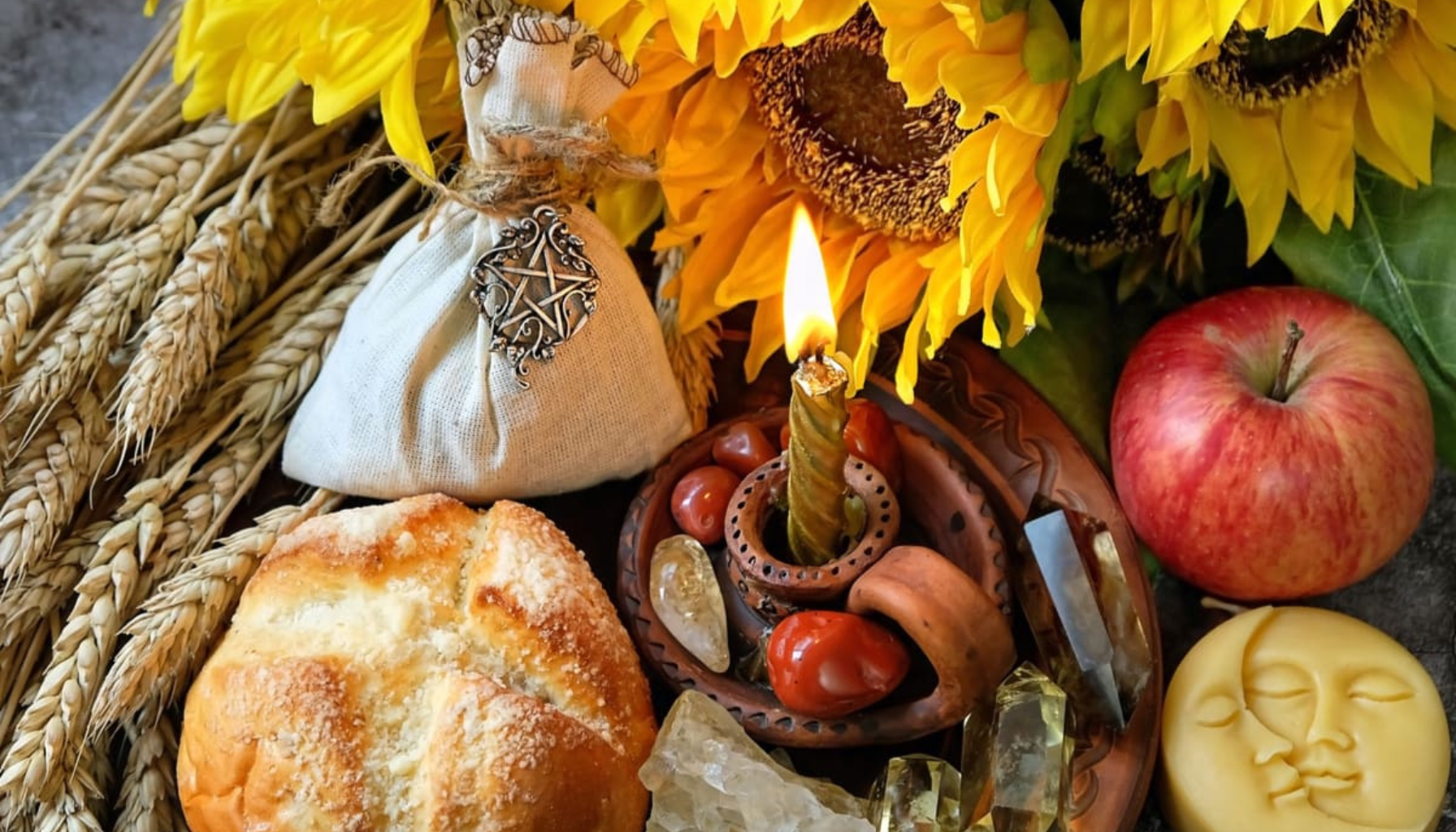
Embracing the Wheel of the Year: Connecting with Nature
Understanding the Wheel of the Year is not just about recognizing the cycles of the seasons, but also about developing a deeper connection with nature and our own spirituality. This ancient tradition, rooted in nature-based spirituality, offers us a profound opportunity to align ourselves with the rhythms of the natural world.
By observing the wheel turning, from the vibrant energy of spring to the contemplative stillness of winter, we can tap into the transformative power of the changing seasons. Each stage of the wheel provides us with unique lessons and insights that can guide our spiritual journey.
Through celebrating the pagan holidays that mark the progression of the Wheel of the Year, we honor the interconnectedness of all living beings and the sacredness of the Earth. Whether it's the joyous festivities of Beltane or the reflective introspection of Samhain, these seasonal celebrations allow us to express our gratitude for the bountiful gifts of nature and our place within the web of life.
By immersing ourselves in the wheel's energy and rituals, we can deepen our connection with nature and cultivate a greater sense of harmony within ourselves and the world around us. The Wheel of the Year offers us a powerful framework for personal growth, spiritual exploration, and creating a more meaningful relationship with the natural world.

HEY, I’M HAZEL…
I've been a practicing witch since 2001. This site began as a vehicle to share my experiences with witchcraft, and has developed into conversations which link the physical practices of witchcraft with spiritual development. My goal is to connect people with their ability to manifest through developing intuition (divine connection) and the confidence to drive that divine force. Through these videos and resources available on my website, I aim to help those looking for clarity and purpose find it, while also incorporating how to integrate magickal tools such as herbs, spells, crystals, and pagan belief systems to create TRUE spiritual magick.



Get Full Access to All Posts and Resources!