Witchcraft Beliefs Explored: Myths Versus Facts
Welcome to our in-depth exploration of witchcraft beliefs, where we will separate fact from fiction. In this article, we will take a closer look at the history of witchcraft, modern perspectives, and the truth behind common misconceptions. Our goal is to provide you with a comprehensive understanding of the reality of witchcraft beliefs.
Key Takeaways:
Witchcraft beliefs have a long and varied history, spanning different cultures and time periods.
Modern witchcraft, such as Wicca and Neo-Paganism, has gained popularity and follows specific principles.
Traditional witch beliefs and practices involve rituals, spells, and divination methods.
Witchcraft symbols and traditions play a significant role in the spiritual and magical aspects of witchcraft.
Witchcraft is perceived and practiced differently in various cultures around the world.
The History of Witchcraft
Embark on a captivating journey through the intriguing history of witchcraft. This ancient practice, shrouded in mystery and folklore, has a rich and diverse cultural heritage that spans centuries. By exploring the origins of witchcraft beliefs and the events that shaped its evolution, we can unearth a deeper understanding of its significance in various societies.
The roots of witchcraft can be traced back to ancient civilizations, where it was deeply intertwined with spiritual beliefs and rituals. From the wise women of ancient Greece to the cunning folk of medieval Europe, witchcraft played a vital role in the lives of individuals seeking guidance, healing, and protection.
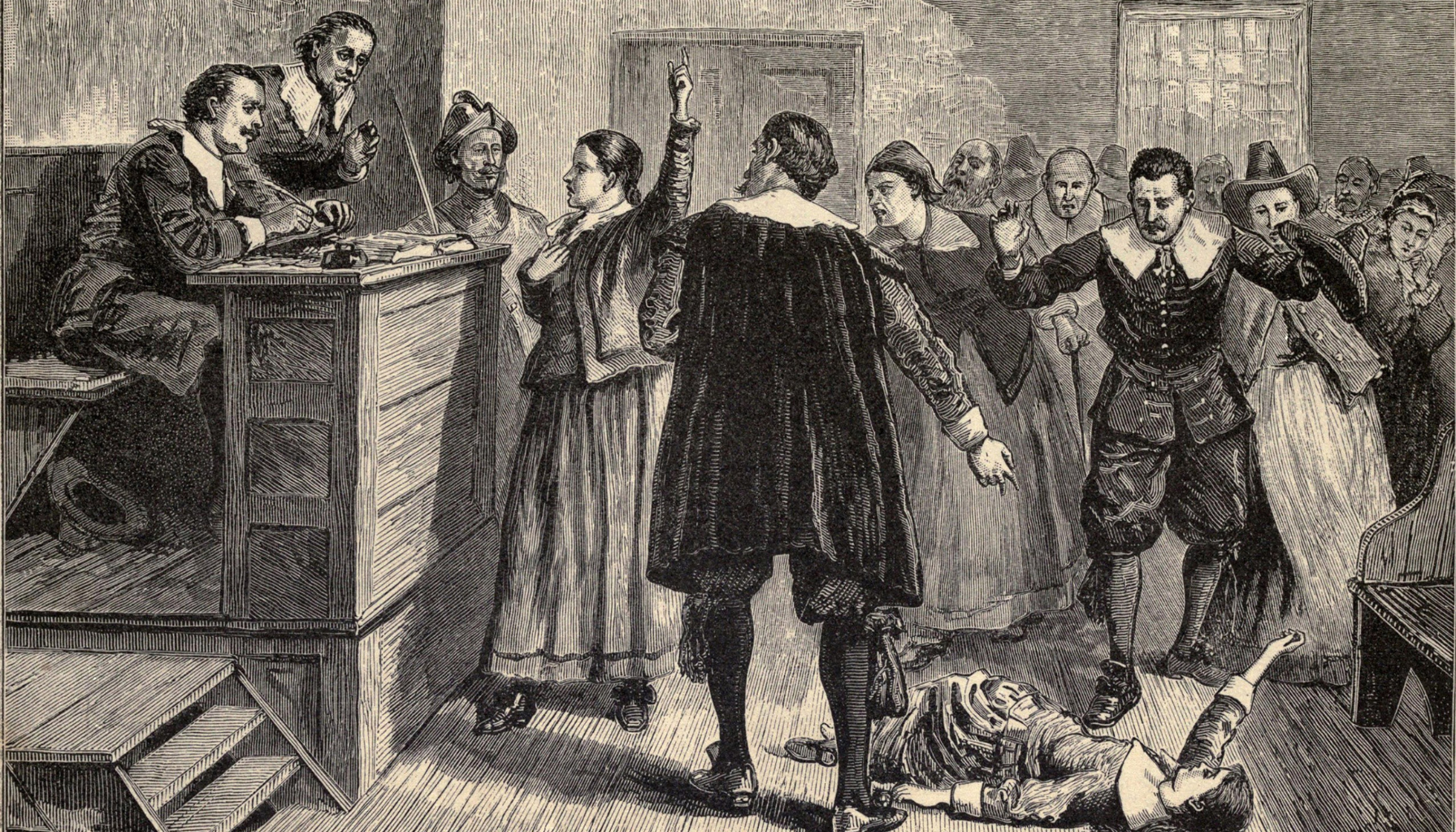
However, as history unfolded, the perception of witchcraft took a dark turn. Witch hunts and trials became prevalent, fueled by fear, superstition, and religious beliefs. In the notorious witch trials of Salem, Massachusetts, innocent lives were tragically lost in an era of hysteria and injustice.
"The history of witchcraft is marred by fear and misunderstanding. It is a tale of persecution and resilience, revealing the power of belief and the human struggle for acceptance and freedom."
Over time, societies began to question the validity of the accusations against witches. The Age of Enlightenment and the subsequent scientific advancements led to a reevaluation of witchcraft beliefs. Scholars and thinkers challenged the prevailing notions, advocating for reason and evidence-based explanations.
Yet, despite the persecution and skepticism, witchcraft persevered, adapting and evolving to suit changing times. In recent decades, modern witchcraft movements, such as Wicca and Neo-Paganism, have emerged, embracing diverse spiritual practices and honoring ancient traditions.
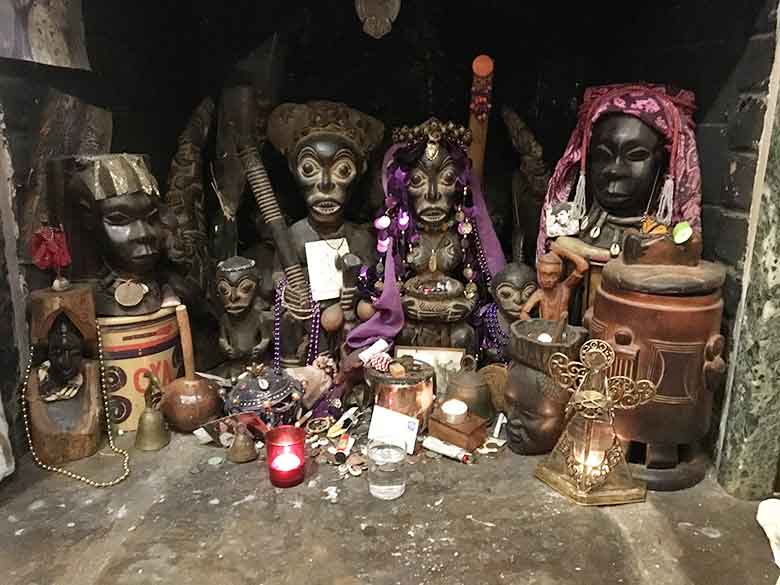
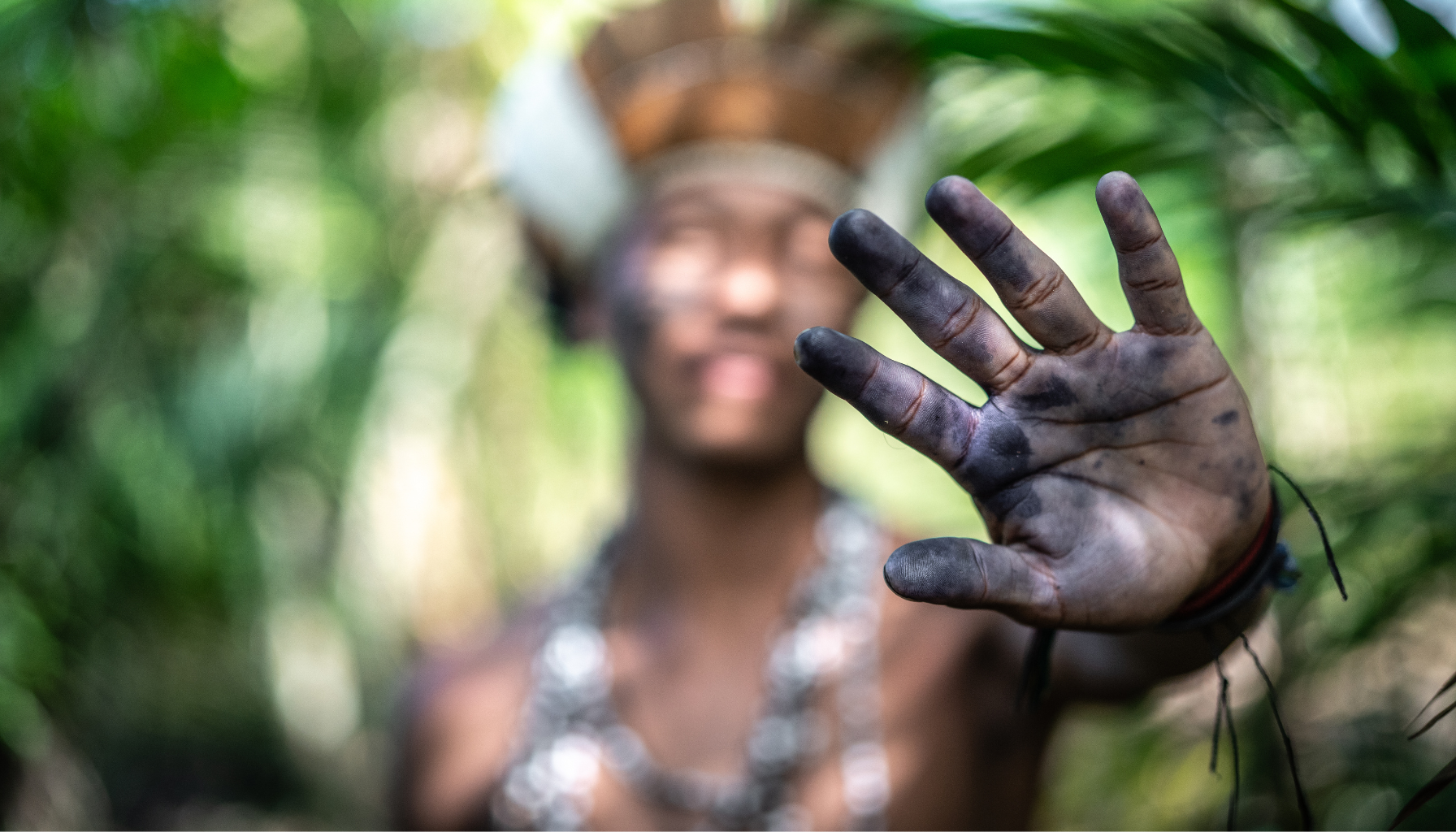
The history of witchcraft transcends borders, with variations of practices found in cultures across the globe. From the indigenous witch healers of South America to the voodoo practitioners of Haiti, witchcraft continues to be a vibrant and significant part of cultural heritage.
By delving into the fascinating history of witchcraft, we can appreciate its enduring legacy and understand its influence on contemporary beliefs and practices. Join us on this captivating journey as we unravel the enigmatic tapestry of witchcraft's past.
Modern Witchcraft Beliefs
Modern witchcraft has experienced a resurgence in recent years, captivating individuals seeking a deeper connection with nature, spirituality, and the mysteries of the universe. This section will explore the diverse branches of modern witchcraft and shed light on the principles they embody.
One prominent branch of modern witchcraft is Wicca, a nature-based religion that honors the cycles of the seasons and the harmony between humans and the Earth. Wiccans believe in a divine energy manifesting in both masculine and feminine forms, and they emphasize the practice of magic for self-development and the greater good.
Another influential movement within modern witchcraft is Neo-Paganism, which encompasses a wide range of spiritual practices inspired by ancient pagan beliefs. Neo-Pagans often honor multiple deities from various cultures and draw inspiration from folklore, mythology, and ancestral traditions.
"Modern witchcraft incorporates a holistic approach to spirituality, blending ancient wisdom with contemporary beliefs. It offers individuals an empowering path that encourages personal growth, self-discovery, and the cultivation of a profound connection with the natural world."
Moreover, modern witchcraft beliefs extend beyond traditional religious frameworks and are often seen as a means of empowerment, self-expression, and personal transformation. Many practitioners aim to harness their natural abilities, tap into their intuition, and cultivate a sense of inner strength.
As witchcraft continues to evolve, it plays a significant role in contemporary society. Modern witches actively engage in social justice movements, promoting equality, environmental stewardship, and spiritual healing. Their practices focus on personal empowerment, mindfulness, and fostering a sense of community.
At its core, modern witchcraft beliefs explore the interconnectedness of all things, encouraging individuals to embrace their autonomy, explore their personal spirituality, and live in harmony with the natural world.
Traditional Witch Beliefs and Practices
In this section, we will explore the fascinating world of traditional witch beliefs and practices. Traditional witchcraft has roots that date back centuries and is steeped in rich cultural heritage. Through an examination of rituals, spells, and divination methods, we aim to provide a deeper understanding of the spiritual and magical aspects of witchcraft.
"Traditional witchcraft is deeply intertwined with nature and the cycles of the seasons. It emphasizes the connection between the practitioner and the natural world, harnessing the energy of the earth, moon, and stars."
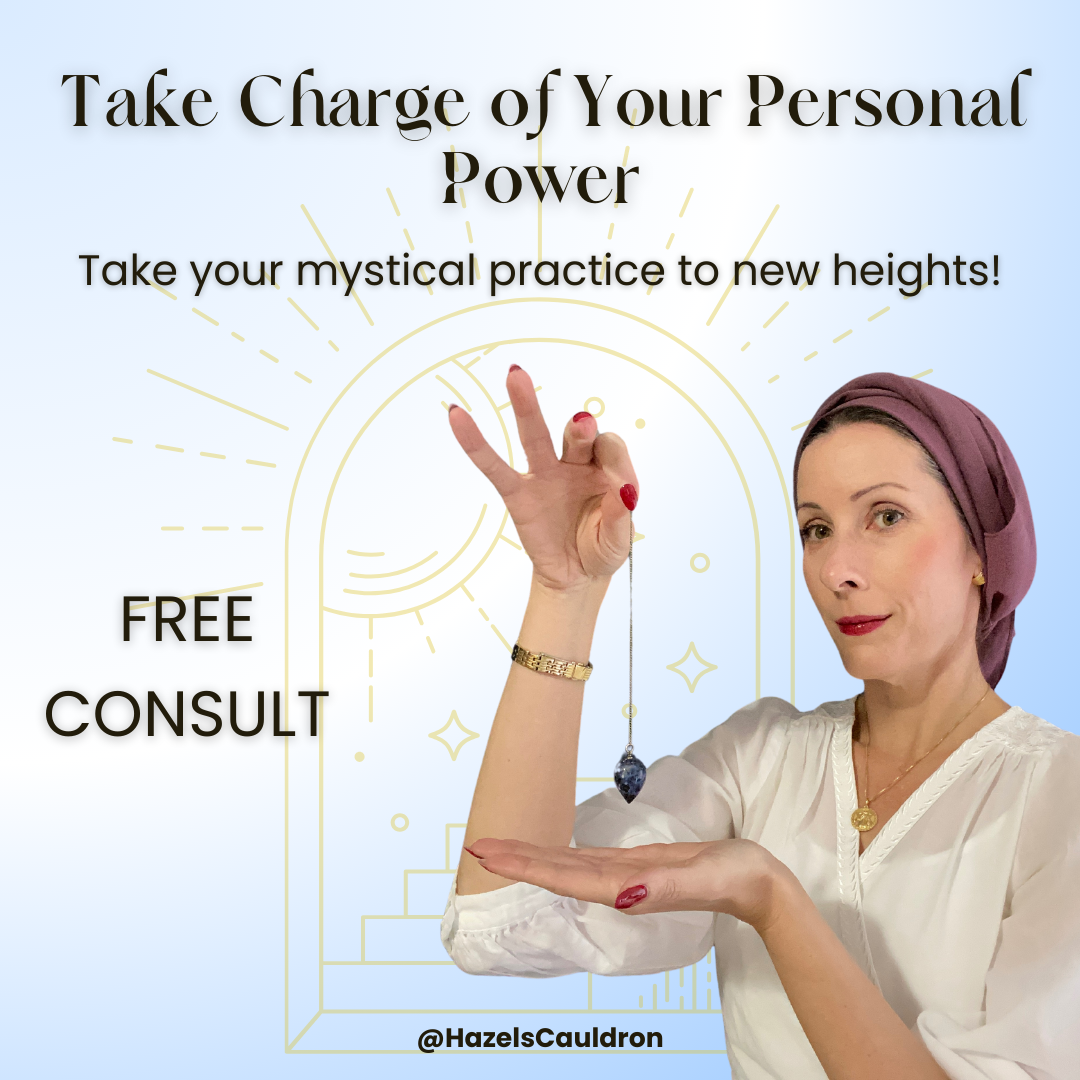
Have questions about strengthening your intuition or building a plan to do so? Get clarity on any concerns you may have.
One of the key elements of traditional witchcraft is the use of rituals. These rituals are often performed to honor the deities or spirits that are believed to guide and protect practitioners. From candle magic to herbal ceremonies, these rituals serve as a means to channel energy and focus intentions.
Spells, another integral part of traditional witchcraft, are crafted with specific purposes in mind. Whether it's love, protection, or healing, spells are designed to manifest desired outcomes through the power of intention and symbolism.
"Divination is another important practice in traditional witchcraft, allowing practitioners to gain insight into the future and seek guidance from the spiritual realm."
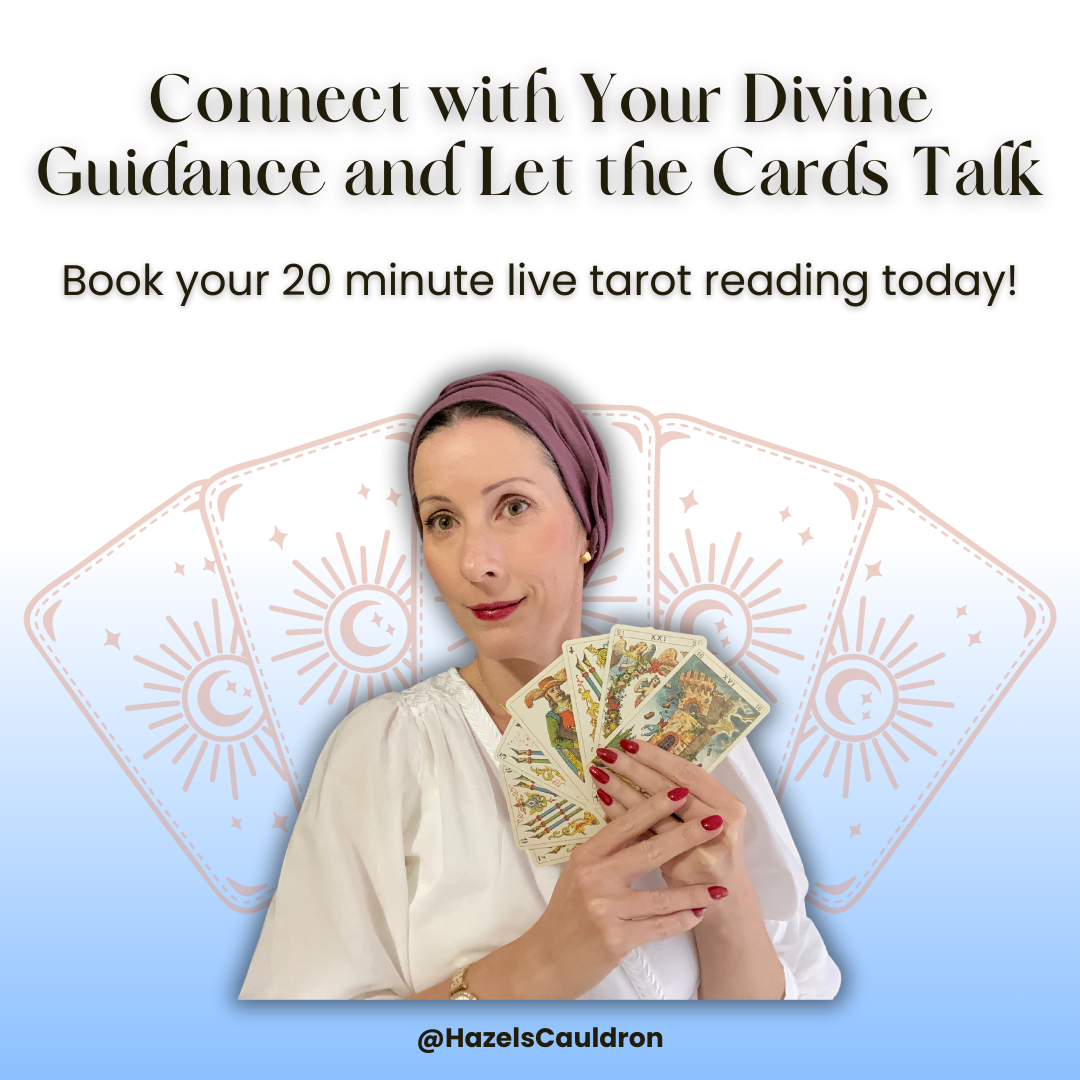
One popular method of divination is tarot card reading, where symbols and archetypes are used to interpret messages and uncover hidden truths. Other methods, such as scrying with mirrors or crystal balls, offer glimpses into the unseen world.
Throughout history, traditional witchcraft has been handed down through generations, carrying with it the wisdom and knowledge of those who came before. These practices are deeply personal and tailored to the individual practitioner, reflecting their unique spiritual path.
By exploring traditional witch beliefs and practices, we can gain a profound appreciation for the magical traditions that have shaped and continue to shape the world of witchcraft.
Witchcraft Symbols and Traditions
In the world of witchcraft, symbols play a crucial role in expressing and embodying profound meanings. These symbols, often associated with magic and mysticism, hold significant power and are deeply rooted in centuries-old traditions. Understanding the symbolism within witchcraft is key to unraveling its enigmatic nature.
One of the most well-known witchcraft symbols is the pentacle, a five-pointed star enclosed within a circle. The pentacle is a representation of the elements: earth, air, fire, water, and spirit. It is believed to symbolize protection and divine balance. Witches often use the pentacle in their rituals and spellcasting as a conduit for harnessing the elemental forces.
Another iconic symbol in witchcraft is the broomstick. While commonly associated with flying witches, the broomstick has a deeper significance. In traditional witchcraft, the broomstick represents the connection between the earth and the spiritual realm. It is used as a tool for cleansing, banishing negative energies, and creating sacred spaces.
The Importance of Rituals and Celebrations
Witchcraft is rich in traditions that center around rituals, celebrations, and festivals. These practices serve as vital outlets for spiritual devotion, community bonding, and personal growth.
Rituals hold a special place in witchcraft traditions as they provide a structured framework for channeling energy and intention. From the casting of circles to the invocation of deities, rituals allow witches to commune with the supernatural and manifest their desires. These sacred ceremonies often involve the use of candles, crystals, herbs, and other symbolic objects.
Celebrations and festivals form an integral part of the witchcraft community, fostering a sense of unity and reverence for nature's cycles. One such festival is the celebration of Samhain, also known as Halloween, which marks the end of the harvest season and the beginning of the dark half of the year. During Samhain, witches honor their ancestors, communicate with spirits, and embrace the transformative power of death and rebirth.
By participating in rituals, celebrations, and festivals, witches strengthen their connection to the spiritual realm, deepen their understanding of themselves and the universe, and nourish their spiritual growth.
Witchcraft in Different Cultures
Witchcraft is not confined to a single cultural context but is a phenomenon that traverses borders and manifests in diverse ways worldwide. Understanding how witchcraft is perceived and practiced in different cultures provides valuable insights into the richness and variety of these beliefs.
"Witchcraft beliefs vary greatly across cultures, with each society imprinting its unique traditions and interpretations," says Dr. Anna Richardson, anthropologist and expert in folklore studies. "From the Salem witch trials in colonial America to the voodoo practices in Haiti, witchcraft holds a significant place in the cultural fabric of numerous societies."
Let's explore a few examples of witchcraft in different cultures:
Mexico: Brujería, the Traditional Art of Mexican Witchcraft
In Mexican culture, witchcraft is deeply rooted in traditions dating back to pre-colonial times. Brujería, or Mexican witchcraft, encompasses a blend of indigenous and Catholic beliefs. Shamans, known as brujas and brujos, play a central role in this practice, utilizing herbs, amulets, and rituals to heal and protect.
Africa: Witchcraft and Ancestral Spirits
In various African cultures, witchcraft is intricately tied to the spiritual realm and ancestral worship. Witch doctors, known as sangomas or medicine men, possess knowledge of herbs, divination, and spells. They are believed to have the power to communicate with powerful spirits, both benevolent and malevolent, and are called upon to bring blessings or ward off curses.
Scandinavia: The Power of Seidr
In ancient Norse mythology, Seidr was a form of witchcraft practiced predominantly by women. Seidr practitioners, known as seidr-workers, were believed to possess the ability to connect with the spirit realm, foresee the future, and manipulate destiny. This practice played a significant role in Norse religious ceremonies and was seen as a means to gain knowledge and influence over the world.
India: Tantric Rituals and Witchcraft
In India, witchcraft takes various forms, with tantric practices being prominent. Tantric practitioners, known as tantrics, tap into the divine energy within themselves and use rituals, mantras, and symbols to attain spiritual enlightenment and manifest desired outcomes. While tantric practices have evolved over time, they continue to hold sway in certain parts of the country.
These examples provide just a glimpse into the vast and diverse tapestry of witchcraft beliefs and practices across cultures. By exploring the different cultural perspectives, we gain a deeper appreciation for the universal appeal and enduring significance of witchcraft.
Debunking Witchcraft Beliefs
Throughout history, witchcraft has been shrouded in mystery and misconception. In this final section, we aim to shed light on common misconceptions and debunk popular myths surrounding witchcraft. By providing evidence-based explanations for phenomena attributed to witchcraft, we seek to promote a more informed and accurate understanding of this ancient practice.
One prevalent myth we will tackle is the association of witchcraft with evil and malevolence. Contrary to popular belief, witchcraft is not inherently dark or malicious. In reality, it encompasses a wide range of spiritual beliefs and practices that center around nature, healing, and personal empowerment. By exploring the principles of modern witchcraft, such as Wicca and Neo-Paganism, we can gain a deeper appreciation for the positive aspects of this ancient tradition.
Another misconception we will address is the notion that witches engage in harmful or manipulative magic. In truth, witchcraft emphasizes personal growth, self-reflection, and ethical practices. Spells and rituals are often used for healing, protection, and manifestation of positive intentions. By understanding the true intentions behind these practices, we can dispel the unfounded fears associated with witchcraft.
Lastly, we will provide scientific explanations for phenomena commonly ascribed to witchcraft. For instance, the supposed ability of witches to manipulate the elements can often be attributed to natural forces and human perception. By demonstrating the logical and rational explanations behind these phenomena, we aim to bridge the gap between ancient wisdom and modern understanding.
HEY, I’M HAZEL…
I've been a practicing witch since 2001. This site began as a vehicle to share my experiences with witchcraft, and has developed into conversations which link the physical practices of witchcraft with spiritual development. My goal is to connect people with their ability to manifest through developing intuition (divine connection) and the confidence to drive that divine force. Through these videos and resources available on my website, I aim to help those looking for clarity and purpose find it, while also incorporating how to integrate magickal tools such as herbs, spells, crystals, and pagan belief systems to create TRUE spiritual magick.



Get Full Access to All Posts and Resources!